How to Plan a Trip to India: A Local Guide’s Step-by-Step Advice
Planning a first trip to India can feel overwhelming. The country is enormous, the advice online contradicts itself, and every itinerary you find seems to squeeze ten cities into two weeks. The good news is that a well-planned India trip follows a fairly simple order. Decide when you’re going, work out how many days you really have, choose one region rather than the whole country, and only then start booking flights, trains and hotels. Get those first decisions right and most of the stress disappears.
I’m Ashish, a licensed tour guide based in Delhi. A large part of my work is helping travellers from abroad turn a vague idea (“we’d love to see India”) into a trip that actually works on the ground. Below is the process I walk people through, step by step, along with the mistakes I see most often and how to avoid them.
Step 1: Decide when to go
Your travel dates shape everything else, because India’s weather varies enormously by season and by region. A route that’s perfect in February can be miserable in June.
For most of north India, including Delhi, Agra, Jaipur, the rest of Rajasthan and Varanasi, the comfortable season runs from October to March. Days are warm and sunny, evenings are pleasant, and sightseeing is easy. Within that window, late February and March are my personal favourites: the winter fog has gone, the heat hasn’t arrived, and the gardens are in bloom.
April to June is the hot season in the north. Temperatures in Delhi and Rajasthan regularly pass 40°C, and sightseeing becomes something you do early in the morning and late in the evening. July to September brings the monsoon. It’s green, quieter and cheaper, but heavy rain can flood streets and disrupt travel.
Two winter details catch people out. From mid-December to mid-January, thick fog often settles over north India in the mornings, delaying flights and trains. And in November, air quality in Delhi and the surrounding region is usually at its worst of the year. Neither is a reason to cancel a trip, but both are worth planning around. I’ve gone through Delhi month by month in the best time to visit Delhi, and there’s a separate guide to visiting Delhi in November.
Other regions run on different calendars. Kerala and Goa are at their best from November to February. The Himalayan regions, such as Ladakh and parts of Himachal Pradesh, are the opposite: best in summer, and partly inaccessible in winter. So if your dates are fixed, let them guide which part of India you choose.
Step 2: Work out how many days you really have
Count the days you’ll actually spend on the ground, not the days between leaving home and returning. Then be honest about your arrival day. Most long-haul flights land in India late at night or in the early hours, so that first day is usually spent recovering rather than sightseeing.
Once you have that number, plan for fewer places than you’d like. A useful rule of thumb is one base for every two or three nights. With ten days, three or four places is plenty. With two weeks, four or five. Every move between cities costs at least half a day once you include checking out, travelling, checking in and finding your bearings, and some journeys take most of a day.
This is the single biggest planning mistake I see. People look at a map, notice that Delhi, Agra, Jaipur, Udaipur, Jodhpur and Varanasi don’t look far apart, and try to fit them all in. In reality, they spend the trip in cars and stations, and arrive at each place too tired to enjoy it. Fewer places, seen properly, makes for a far better trip. I’ve written more about this in the first-trip mistakes I see most often.
Step 3: Choose one region, not the whole country
India is roughly the size of Europe, with just as much variety. You wouldn’t try to see Lisbon, Paris, Rome and Athens in ten days, and the same logic applies here. Pick a region that matches your interests and your season, and explore it well.
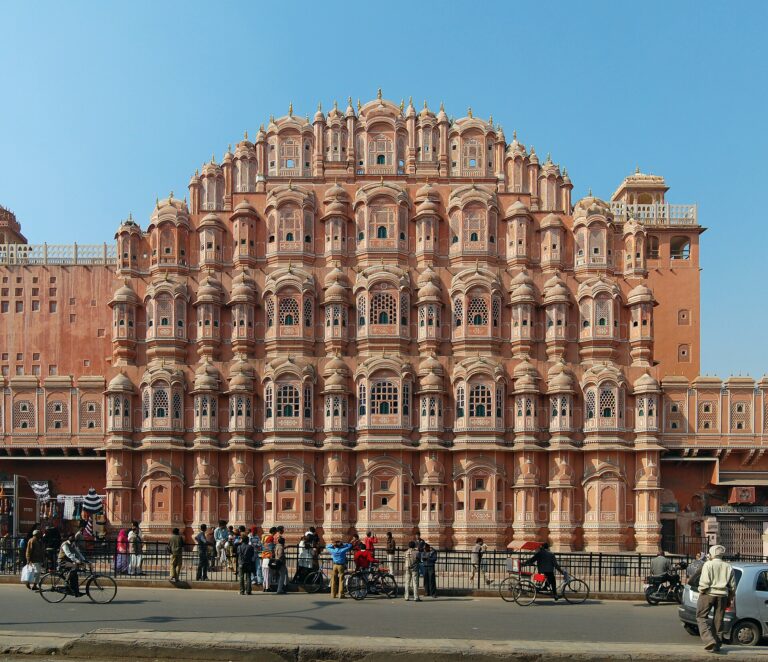
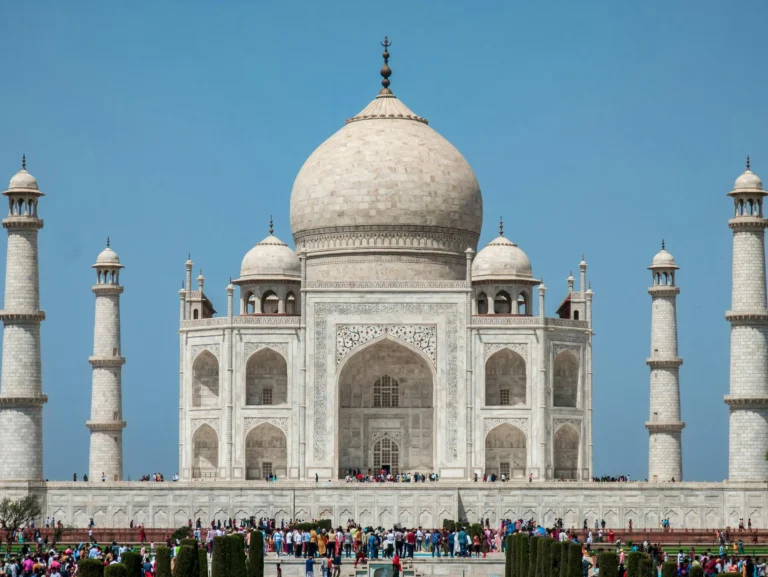
For a first visit, most people start with the Golden Triangle: Delhi, Agra and Jaipur. It’s popular for good reason. In about a week you see a huge capital city with layers of history, the Taj Mahal, and the forts and palaces of Rajasthan, and the three cities are well connected by road and rail. If you have a bit more time, it extends naturally. You can go further into Rajasthan, to Udaipur, Jodhpur or Jaisalmer, or east to Varanasi for something very different. I’ve covered timing in how many days the Golden Triangle needs.
If you’d rather have a slower, greener trip, Kerala in the south offers backwaters, tea plantations and beaches. Goa suits people who want a relaxed coastal finish. For mountains and monasteries, the Himalayan regions are spectacular in the right season. My shortlist of the best places to visit in India for first-timers explains who each region suits.
When choosing, think about what you actually enjoy at home. If you love history and architecture, Delhi and Rajasthan will keep you busy. If you’re drawn to spirituality and ritual, Varanasi is extraordinary. If your idea of a holiday includes a lot of rest, build in a beach or backwater stay rather than adding another city.
Step 4: Sort out your visa early
Most visitors to India use the e-visa, which you apply for online through the official government website, indianvisaonline.gov.in. You can apply as late as four days before arrival, but I’d recommend applying three to four weeks before you fly, once your flights are booked. That leaves time to fix any problems.
Your passport must be valid for at least six months from the date you arrive in India, with at least two blank pages. Enter your details exactly as they appear on your passport, and upload a clear photo and passport scan. Be careful of lookalike websites that charge far more than the official fee; they often appear near the top of search results.
India has also introduced an online e-Arrival card for foreign visitors, completed within 72 hours before landing. It’s free and separate from the visa, and it’s easy to forget. I’ve listed the common visa slip-ups in India e-visa mistakes, and the arrival process in arriving at Delhi airport.
Step 5: Book the important pieces first
Once you know your season, number of days, region and visa plan, you can start booking. I’d do it in this order.
First, international flights. Fly into the city that makes most sense for your route. For a north India trip, that’s usually Delhi.
Second, long internal journeys. Popular trains, such as the fast services between Delhi and Agra or Delhi and Jaipur, sell out weeks in advance during the October to March season. Book these as early as you can through IRCTC, the Indian Railways booking site, or through a reliable agent. For longer distances, domestic flights are often worth it. I’ve compared trains and cars for Delhi to Agra and Delhi to Jaipur.
Third, your first couple of nights’ accommodation, including an airport pickup if you land late. Having that settled makes the first day far less stressful.
After that, it’s fine to keep some flexibility. Many travellers book the rest of their hotels in advance for peace of mind, but you don’t have to lock in every detail.
Step 6: Decide how you want to travel
There are broadly three ways to travel around India, and the right choice depends on your experience, your budget and how much organising you enjoy.
Fully independent travel gives you the most freedom and is usually the cheapest. You book everything yourself and go wherever you like. The trade-off is effort: you handle every booking, every negotiation and every navigation problem, and the learning curve in the first few days can be steep.
A package tour takes care of everything. Transport, hotels, sightseeing and guides are arranged for you, often in a group. It suits people who want zero organising, but you follow someone else’s schedule and route, with little room to change things. I’ve compared this with the alternatives in India tour package vs private guide.
Independent travel with local help where it matters is the middle path, and it’s what many of my guests choose. You book your own hotels and transport, then hire a private guide for the places where local knowledge makes the biggest difference, such as Delhi’s old city, the major monuments, or your first couple of days in the country. You keep your freedom but avoid the most stressful parts.
If you’re travelling with children or older parents, think especially carefully about comfort and pace. A car with a driver between cities and a slower itinerary make a big difference. I’ve written separate guides on India with kids and travelling India with elderly parents.
Step 7: Check the details that trip people up
Small details cause a surprising number of problems, and most are easy to avoid once you know about them.
Check opening days for the big sights. The Taj Mahal is closed to visitors every Friday, and the Red Fort in Delhi closes on Mondays. Many markets close on Sundays. If your Agra day falls on a Friday, you’ll want to rearrange your plan. My guide to the Taj Mahal at sunrise covers tickets and timings.
Check festivals and holidays. Big festivals such as Diwali and Holi are wonderful to experience, but trains and hotels fill up and prices rise. If you’re travelling over Christmas and New Year, book well ahead; see Christmas and New Year in India.
Check which railway station you’re using. Delhi alone has several major stations, and they are a long way apart.
Think about health. Speak to your doctor or a travel clinic about vaccinations, bring regular medicines in their original packaging, and get travel insurance with good medical cover.
Step 8: Prepare for your first few days
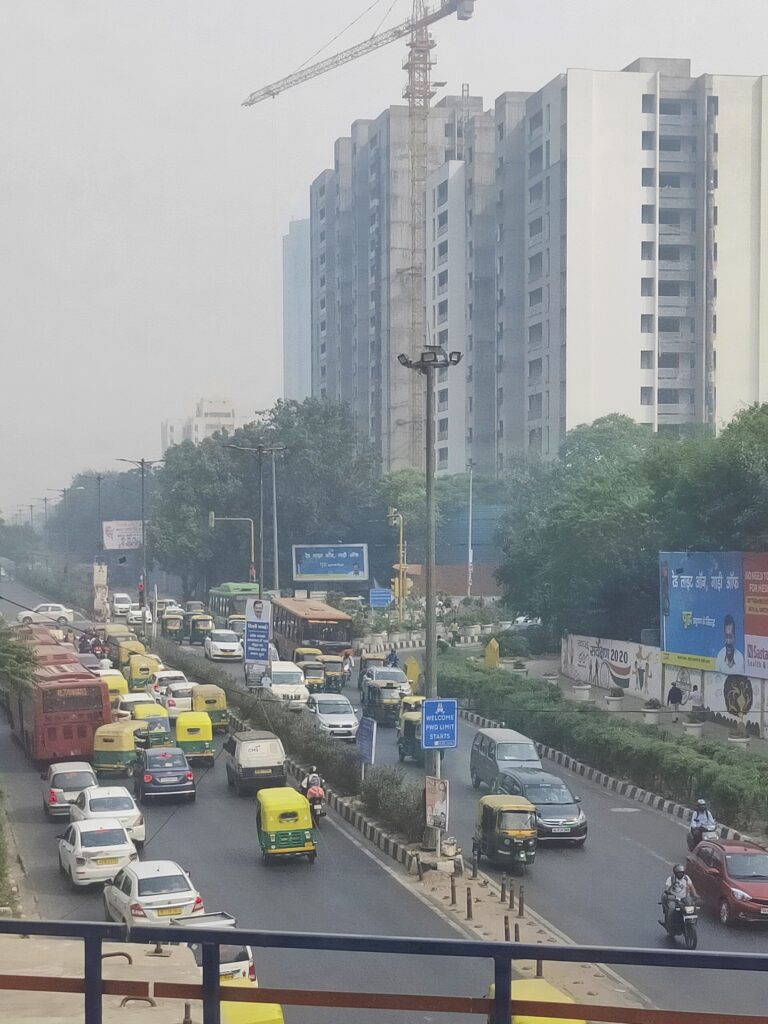
Your first day or two in India will probably feel intense, especially in a big city like Delhi. The noise, traffic, crowds and constant activity can be a lot to take in. That’s normal, and it gets easier quickly. Plan something gentle for your first day, and avoid booking an early start after a long overnight flight.
A few habits help a great deal. Use app-based taxis such as Uber or Ola, or a pre-arranged hotel pickup, rather than accepting rides from strangers. Be wary of anyone who tells you your hotel has closed or a monument is shut today; these are long-standing scams, and I’ve described them in Delhi tourist scams. Drink bottled or filtered water. And dress in loose clothes that cover your shoulders and knees, which makes visiting temples and old neighbourhoods much easier; see what to wear in Delhi and my India packing list.
On safety more generally, most visitors have nothing worse than a minor stomach upset or an overpriced rickshaw ride. I’ve given an honest overview in is India safe for tourists.
Don’t be afraid of the food, either. Street food is one of the great pleasures of travelling in India. Choose busy stalls where food is cooked fresh in front of you, and be careful with water and ice. My street food guide explains how.
Finally, sort out money and your phone before you need them. ATMs are widespread in cities, and withdrawing rupees from an ATM inside the arrival hall usually gives a better rate than the airport exchange counters. Carry some small notes for rickshaws, tips and snacks. For mobile data, an Indian eSIM bought before you travel is the simplest option; otherwise, you can buy a local SIM at the airport with your passport, though activation can take a few hours.
Step 9: Get a second opinion before you commit
This is the step most people skip, and it’s often the one that saves the most trouble. Before you pay for non-refundable bookings, ask someone who knows India well to look over your plan. A fresh pair of eyes can spot problems that aren’t obvious from abroad: a monument that’s closed on the day you planned to visit, a train that doesn’t run that day of the week, a city you’ve given one night when it needs three, or a journey that looks short on the map but takes all day.
That’s exactly what my India trip planning calls are for. We spend up to an hour going through your dates, route, transport and hotels, and I give you honest advice. I don’t sell packages, so there’s nothing to upsell. And if you’d like a local guide with you once you’re here, I work as a private tour guide across India, for a few days or for your whole trip.
A sample planning checklist
To pull everything together, here’s the order I’d work through.
- Choose your travel month, checking the weather for the region you’re interested in.
- Count your real number of days on the ground.
- Pick one region and three to five bases, with two or three nights in each.
- Apply for your e-visa through the official website, three to four weeks before you fly.
- Book international flights, then long trains or domestic flights, then your first nights’ hotel and airport pickup.
- Decide how you’ll travel: independently, on a package, or with a private guide where it helps.
- Check opening days, festivals, stations and health requirements.
- Get your plan checked by someone who knows India before you pay for everything.
How to plan a trip to India: questions people ask me
How far in advance should I plan a trip to India?
For a trip between October and March, start planning about two to three months ahead. That gives you time to book popular trains and good hotels, and to apply for your e-visa without rushing.
How many days do I need for a first trip to India?
Ten days to two weeks is a good length for a first trip, as long as you focus on one region. With a week, the Golden Triangle of Delhi, Agra and Jaipur is a comfortable choice.
What is the best route for a first visit to India?
For most first-time visitors, the Golden Triangle is the best starting point. With extra time, add more of Rajasthan, Varanasi, or a relaxing stay in Kerala or Goa.
Is it better to travel India independently or on a tour?
It depends on how much organising you enjoy. Many travellers find the best balance is to book their own hotels and transport, and hire a private guide in the busiest cities.
When is the best time to visit India?
For most of north India, October to March. Other regions have different seasons, so check the weather for the area you plan to visit.
Do I need a guide in India?
Not everywhere. But in large, busy cities like Delhi, and at major monuments, a good local guide makes the experience much easier and more rewarding, especially on a first trip.
If you’d like help with your plans, message me on WhatsApp with your dates and the places you’re thinking of, and I’ll be happy to help.
About the author
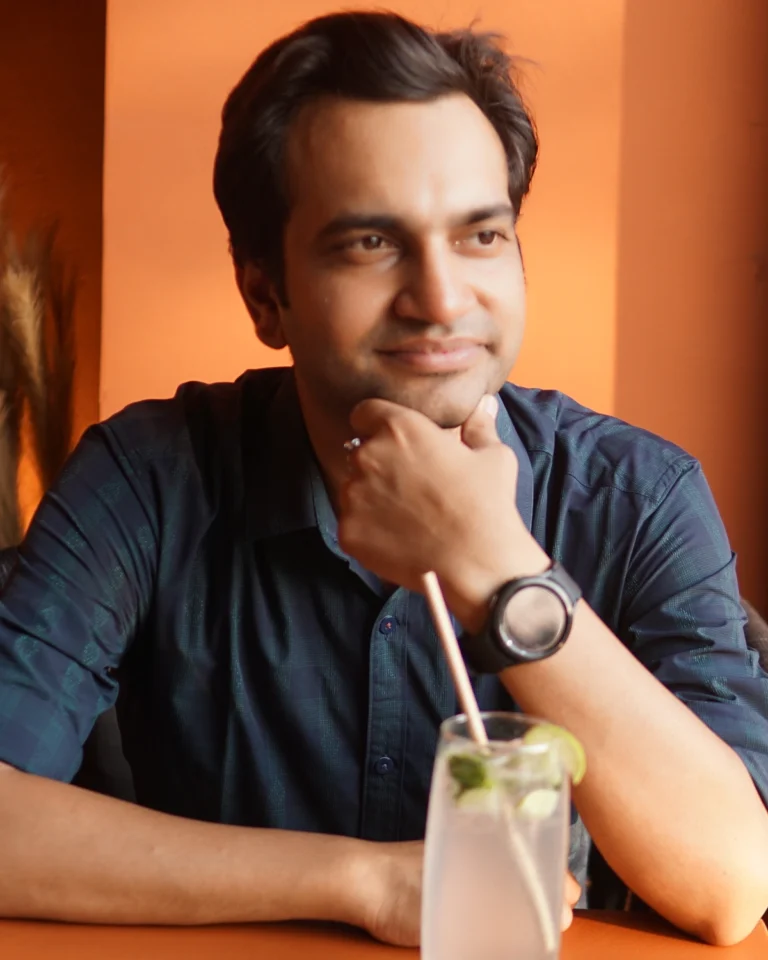
Ashish
Ashish is a Delhi-based tour guide, certified by India’s Ministry of Tourism under the Incredible India Tourist Guide (IITG) programme. He lives in Delhi, guides visitors from abroad in person, and writes practical, honest advice to help first-time travellers plan their trip to India.