Best Places to Visit in India for First-Timers: A Local Guide’s Shortlist
For most first-time visitors, the best places to start are Delhi, Agra and Jaipur, the classic route known as the Golden Triangle. From there, you can add one more region depending on your interests: more of Rajasthan for forts and palaces, Varanasi for an intense spiritual experience, or Kerala or Goa for a slower, greener or beach-based finish. This combination gives you history, culture and a chance to relax, without trying to see too much of a very large country.
I’m Ashish, a licensed tour guide based in Delhi. “Where should we go?” is one of the questions I’m asked most often by people planning their first trip to India. The honest answer depends on your interests, the time of year and how long you have. This guide describes the places I recommend most often for first-time visitors, what each one offers, and who it suits best.
How to think about choosing
India is roughly the size of Europe, with enormous variety in landscapes, cultures, languages and food. No first trip can cover all of it, so the most useful approach is to choose a region and explore it properly rather than trying to visit every famous place.
Three questions help narrow it down. What interests you most: history and architecture, spirituality, nature, food, or relaxation? When are you travelling? India’s weather varies dramatically by season and region. And how much time do you have? With ten days, three or four bases is comfortable; with two weeks, four or five.
Delhi
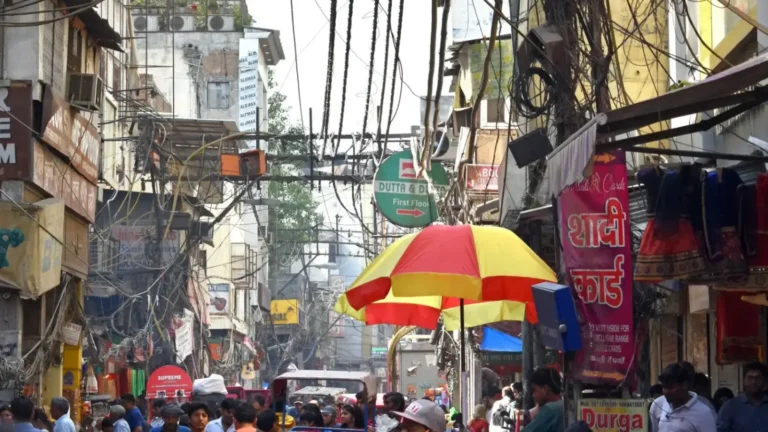
Most international visitors arrive in Delhi, and it deserves more than a quick stopover. India’s capital is really several cities layered on top of each other. Old Delhi, built by the Mughal emperor Shah Jahan in the seventeenth century, is a maze of lanes, bazaars, mosques and temples around the great Jama Masjid and the Red Fort. New Delhi, built by the British, has wide avenues, grand government buildings and India Gate. Across the city are remarkable monuments from different eras, such as Humayun’s Tomb and the Qutub Minar.
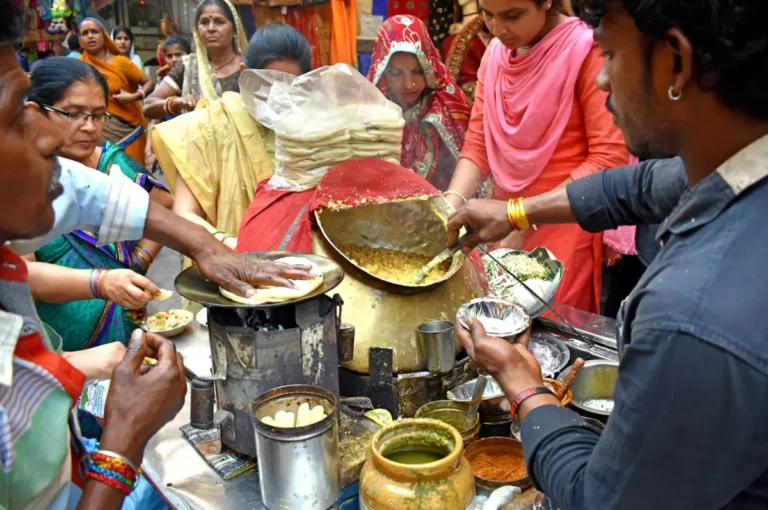
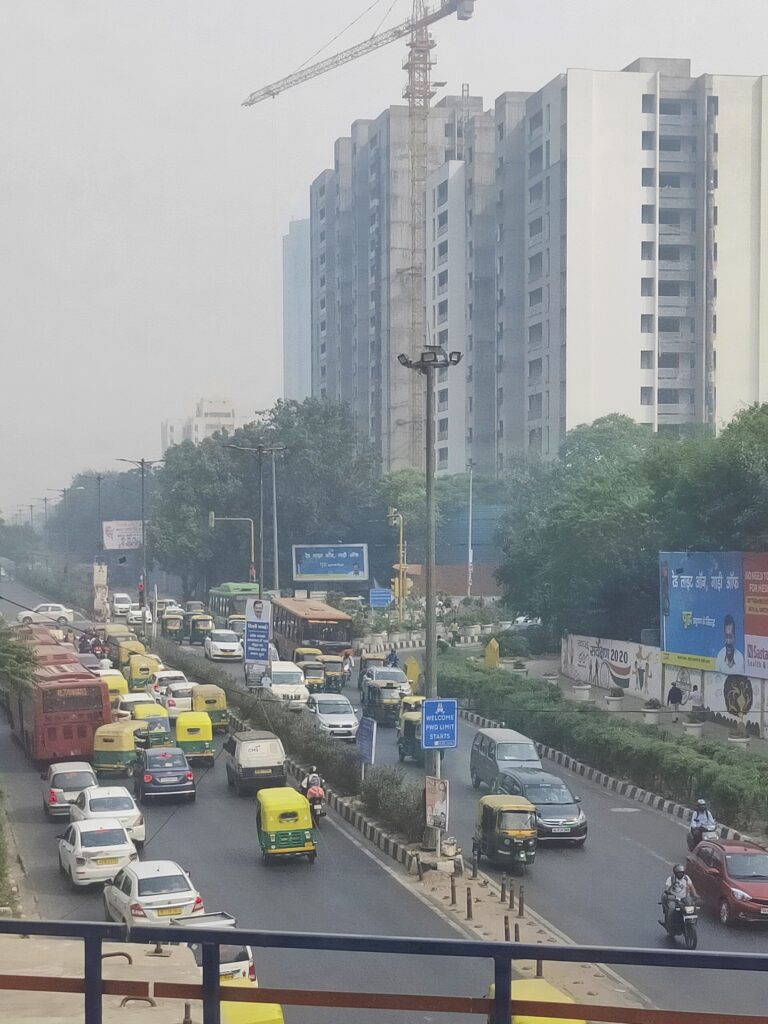
Delhi is loud, crowded and intense, especially at first, but it’s also one of the world’s great food cities and an excellent introduction to India. I recommend two full days for most first-time visitors; see how many days in Delhi.
Best for: history, food, markets, and getting to know India. Delhi is also a convenient place to end a trip, with a final day for a last visit to a favourite neighbourhood before your flight home.
Agra
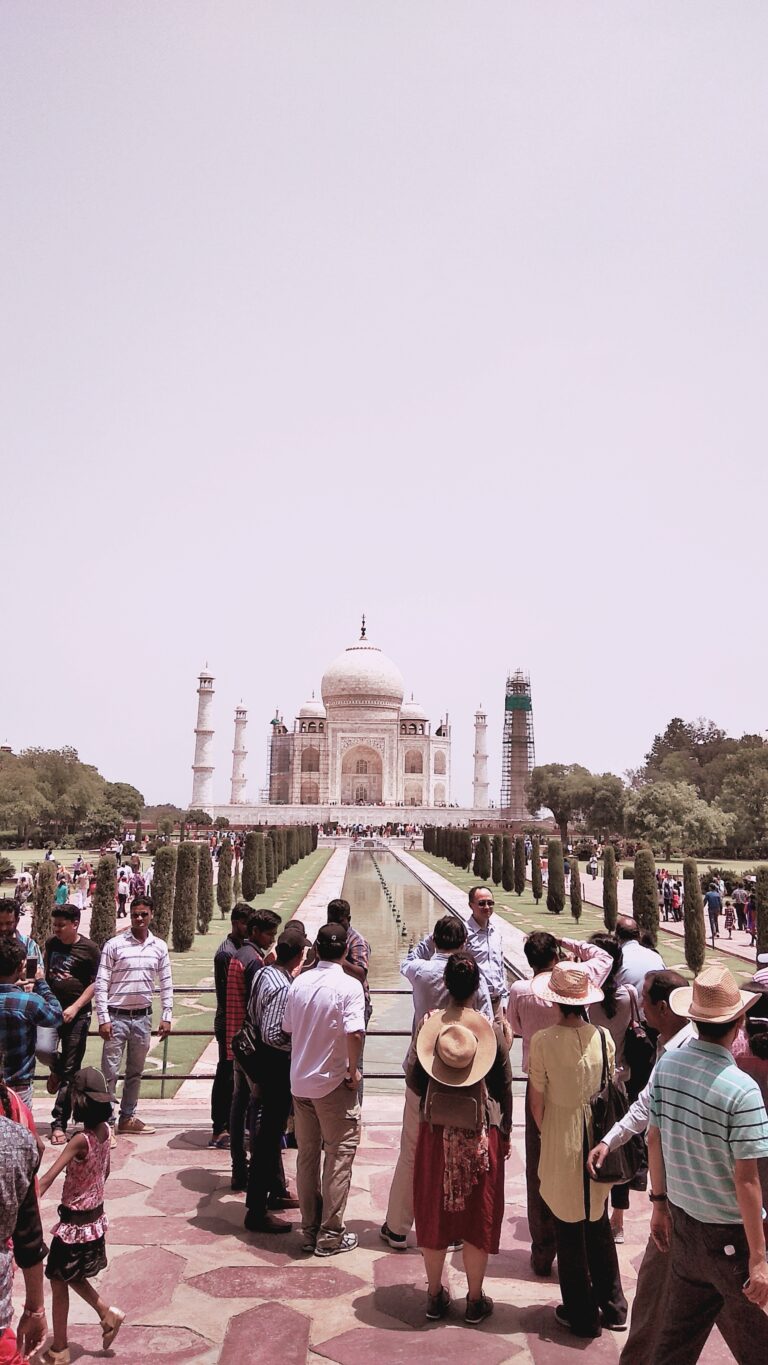
Agra is home to the Taj Mahal, one of the most famous buildings in the world, built by Shah Jahan as a tomb for his wife Mumtaz Mahal. Seeing it at sunrise, when the marble glows softly and the crowds are smaller, is a highlight of many trips. Agra also has Agra Fort, a vast Mughal fortress, and several smaller monuments, including the beautiful Itmad-ud-Daulah’s Tomb, often called the Baby Taj. Fatehpur Sikri, the abandoned capital of Emperor Akbar, is about an hour away and makes a rewarding stop on the road to Jaipur.
One night in Agra is usually enough, and it lets you see the Taj at sunrise. The Taj Mahal is closed on Fridays. See the Taj Mahal at sunrise and Delhi to Agra by train or car.
Best for: iconic architecture and Mughal history.
Jaipur
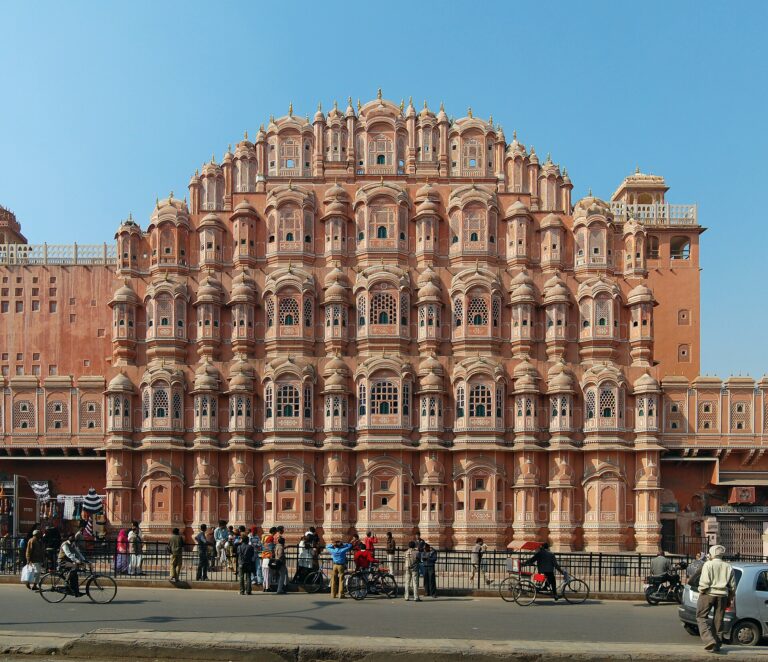
Jaipur, the capital of Rajasthan, is known as the Pink City for the terracotta colour of its old town. It’s famous for Amber Fort, set on a hillside just outside the city, the City Palace, the Jantar Mantar observatory, and the Hawa Mahal with its honeycomb façade. The bazaars of the old city are colourful and lively, full of colour and everyday life. Rajasthani food, from dal baati churma to laal maas, is another reason to linger, and many visitors stay in a heritage hotel converted from an old haveli or palace.
Jaipur is the third corner of the Golden Triangle and the gateway to the rest of Rajasthan. I recommend two nights, which allows a relaxed morning at Amber Fort and an unhurried afternoon in the old city. See Delhi to Jaipur by train or car.
Best for: forts, palaces, colour and culture.
More of Rajasthan
If you have more time, Rajasthan has much more to offer beyond Jaipur.
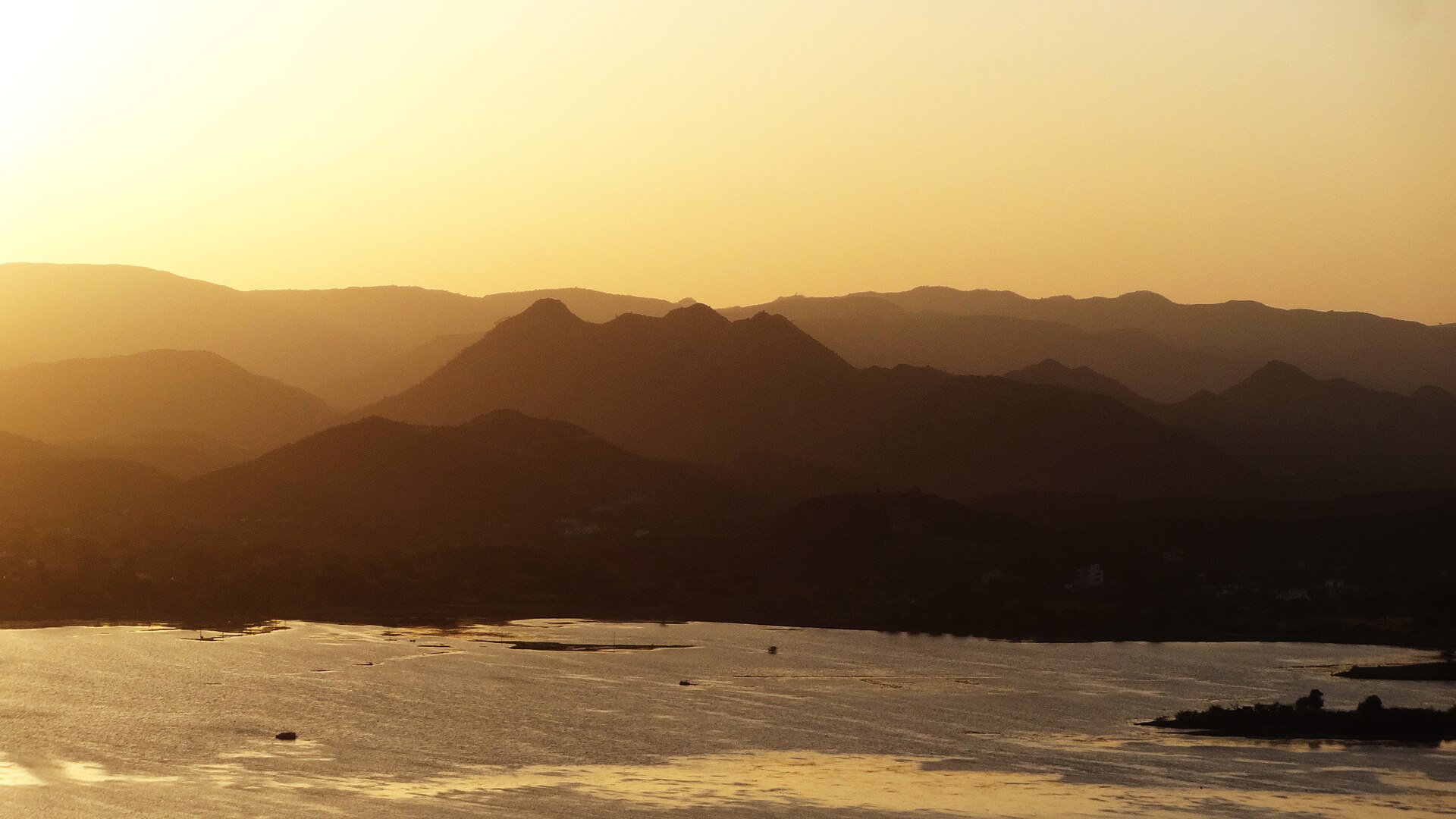
Udaipur, the City of Lakes, is built around Lake Pichola, with palaces and temples along its shores. It has a softer, more romantic atmosphere than other Rajasthani cities.
Jodhpur, the Blue City, is dominated by the vast Mehrangarh Fort, one of the most impressive in India, with a fascinating museum.
Jaisalmer, the Golden City, rises from the Thar Desert, with a living fort that people still call home and the chance to spend a night among the dunes.
Smaller places such as Pushkar, Bundi and Ranakpur offer a quieter side of Rajasthan. I’ve written more in Rajasthan with a private guide.
Best for: travellers who love history, architecture and colourful, traditional towns.
Varanasi
Varanasi, on the banks of the Ganges, is the holiest city in Hinduism and one of the oldest continuously inhabited cities in the world. Pilgrims bathe in the river, priests perform ceremonies on the ghats, and cremations take place openly by the water. A sunrise boat ride on the Ganges and the evening Ganga aarti ceremony are unforgettable experiences.
Varanasi is intense, and not every visitor enjoys it, but those who do often find it the most memorable part of their trip. Nearby Sarnath, where the Buddha gave his first sermon, offers a peaceful contrast. It’s about an hour and a half by air from Delhi. I recommend at least two nights. See Varanasi for first-timers.
Best for: spirituality, culture and travellers open to a profound experience.
Kerala
Kerala, in the far south, is a complete contrast to the north. It’s green, tropical and relaxed, known for its backwaters, where houseboats drift through palm-fringed canals, its tea and spice plantations in the hills around Munnar, its beaches, and its wildlife sanctuaries. Kochi has a historic old quarter with Portuguese, Dutch and British influences, along with Chinese fishing nets along the waterfront.
Kerala is best from November to February and suits travellers who want a gentler pace, especially after the intensity of the north. Its cuisine, rich in coconut, seafood and spices, is a highlight, and traditional Ayurvedic treatments and performances of Kathakali, a classical dance-drama, add to the experience.
Best for: nature, relaxation, and a slower pace.
Goa
Goa, on the west coast, is India’s best-known beach destination, with a laid-back atmosphere, long sandy beaches, Portuguese-era churches and architecture, and a lively food and nightlife scene. North Goa tends to be busier and livelier, while South Goa is quieter and calmer.
Goa is at its best from November to February. It’s a popular place to end a trip with a few days of rest, and its old Latin quarter in Panaji, spice plantations and colonial churches, some recognised by UNESCO, offer plenty to explore beyond the beaches.
Best for: beaches, relaxation and a holiday atmosphere.
Other places worth considering
Mumbai is India’s financial capital, fast-paced and cosmopolitan, with colonial architecture, a vibrant food scene and Bollywood.
Amritsar, in Punjab, is home to the Golden Temple, the holiest site in Sikhism, where a community kitchen serves free meals to tens of thousands of people every day.
Rishikesh, in the foothills of the Himalayas, is known for yoga and its setting on the Ganges.
Khajuraho is famous for its exquisitely carved medieval temples, recognised as a UNESCO World Heritage Site.
The Himalayas, including Ladakh and Himachal Pradesh, offer spectacular mountain scenery, though high-altitude areas are best visited in summer.
Choosing by interest
If you’re still unsure, it can help to choose places by what you most enjoy.
History and architecture: Delhi, Agra, Jaipur, Jodhpur, Udaipur, Fatehpur Sikri and Khajuraho offer some of the finest Mughal and Rajput monuments in the world.
Spirituality and culture: Varanasi, Amritsar, Rishikesh and Bodh Gaya, where the Buddha attained enlightenment, give a deep insight into India’s religious traditions.
Nature and wildlife: Kerala’s backwaters and hills, the tiger reserves of Ranthambore in Rajasthan or Bandhavgarh and Kanha in central India, and the Himalayas.
Food: Delhi, Lucknow, Amritsar, Mumbai, Kolkata and Kerala each have distinctive and much-loved cuisines. My street food guide explains how to enjoy it safely.
Relaxation: Goa, Kerala’s beaches and backwaters, and the quieter towns of Rajasthan, such as Bundi or Udaipur.
Festivals worth planning around
India’s festivals can make a trip even more memorable, though they also bring crowds and higher prices. Diwali, the festival of lights, usually falls in October or November and is celebrated across the country, especially in the north. Holi, the festival of colours, takes place in March; Holi 2027 falls on 22 March. The Pushkar Camel Fair in Rajasthan usually takes place in October or November, and Christmas and New Year are celebrated warmly in Goa and Kerala; see Christmas and New Year in India. Festival dates often follow the lunar calendar and change each year, so check before you book.
What I’d leave for a second trip
Some places are wonderful but less suited to a first visit, either because they’re remote, need more time or depend heavily on the season. The Himalayan region of Ladakh, for example, is spectacular but involves high altitude and is only accessible for part of the year. The north-eastern states are beautiful and culturally distinct, but they’re far from the main tourist circuits and need more planning. Longer journeys through central or eastern India can also be rewarding, but are often better once you’re familiar with how travel in India works. There’s no rule against visiting them first, of course, but most travellers find a smoother introduction to India in the north and on the coast.
Combining places: some realistic options
Seven to ten days: Delhi, Agra and Jaipur. The classic first trip. See how many days the Golden Triangle needs.
Ten to fourteen days: Delhi, Agra and Jaipur, plus Udaipur or Jodhpur, or plus Varanasi.
Two weeks or more: the Golden Triangle with Varanasi or more of Rajasthan, then a flight south for a few relaxing days in Kerala or Goa.
Remember that India is large. Flying between regions often saves a full day of road travel, and staying two or three nights in each place makes the trip far more enjoyable.
Getting between regions
India’s distances are larger than they look on a map. Within the Golden Triangle, trains and private cars work well, with journeys of a few hours. Between regions, such as from Delhi to Varanasi, Kerala, Goa or Udaipur, domestic flights usually make most sense, saving a full day or more compared with road or rail travel. Overnight trains are another option and can be an experience in themselves, though they require advance booking and a willingness to rough it a little. Build travel days into your plans, as even a short flight involves getting to and from airports.
Travelling with family
If you’re travelling with children or older parents, choose fewer places, stay longer in each, and favour destinations with comfortable hotels and easy transport. The Golden Triangle with a few days in Kerala or Goa works well for many families. I’ve written more in India with kids and travelling India with elderly parents.
When to go
For most of north India, including Delhi, Agra, Jaipur, Rajasthan and Varanasi, October to March is the most comfortable time, with late February and March often the most pleasant. Kerala and Goa are at their best from November to February. The Himalayas are best visited in summer. I’ve gone through the seasons in the best time to visit Delhi.
Where to start your trip
Most international flights to north India arrive in Delhi, which makes it the natural starting point for the Golden Triangle, Rajasthan and Varanasi. If you’re focusing on the south or the west coast, flying into Mumbai, Kochi, Bengaluru or Goa may make more sense. Many travellers fly into one city and out of another, which avoids backtracking and saves time. Wherever you arrive, plan a gentle first day to recover from the journey; my guide to arriving at Delhi airport covers the first few hours.
Budget considerations
Costs vary considerably across India. Major cities and popular destinations such as Goa during the holiday season tend to be more expensive, especially for hotels, while smaller towns are generally cheaper. Heritage hotels in Rajasthan range from affordable family-run havelis to luxury palace hotels. Domestic flights are usually good value if booked in advance, and trains offer an affordable and memorable way to cover longer distances. Whatever your budget, India offers a wide range of accommodation and transport options, and careful planning goes a long way.
Want help choosing?
Choosing where to go is often the hardest part of planning a first trip to India. If you’d like a local to help you decide, my India trip planning calls are designed for exactly that. If you’d like a guide with you, I work as a private tour guide across India. For a step-by-step planning guide, see how to plan a trip to India, and for common pitfalls, see first trip to India mistakes.
Best places in India for first-timers: questions people ask me
What is the best place to visit in India for the first time?
For most first-time visitors, the Golden Triangle of Delhi, Agra and Jaipur is the best starting point.
What should I add to the Golden Triangle?
More of Rajasthan, such as Udaipur or Jodhpur, Varanasi for a spiritual experience, or Kerala or Goa to relax.
How many places can I visit in two weeks?
Four or five places, with two or three nights in each, is comfortable.
Is Varanasi too intense for a first trip?
It’s very intense, but many first-time visitors find it the highlight of their trip. Go with an open mind.
Where are the best beaches in India?
Goa and Kerala are the most popular beach destinations for visitors.
When is the best time to visit India?
For most of the north, October to March. For Kerala and Goa, November to February.
Not sure where to go? Message me on WhatsApp and I’ll be happy to help.
About the author
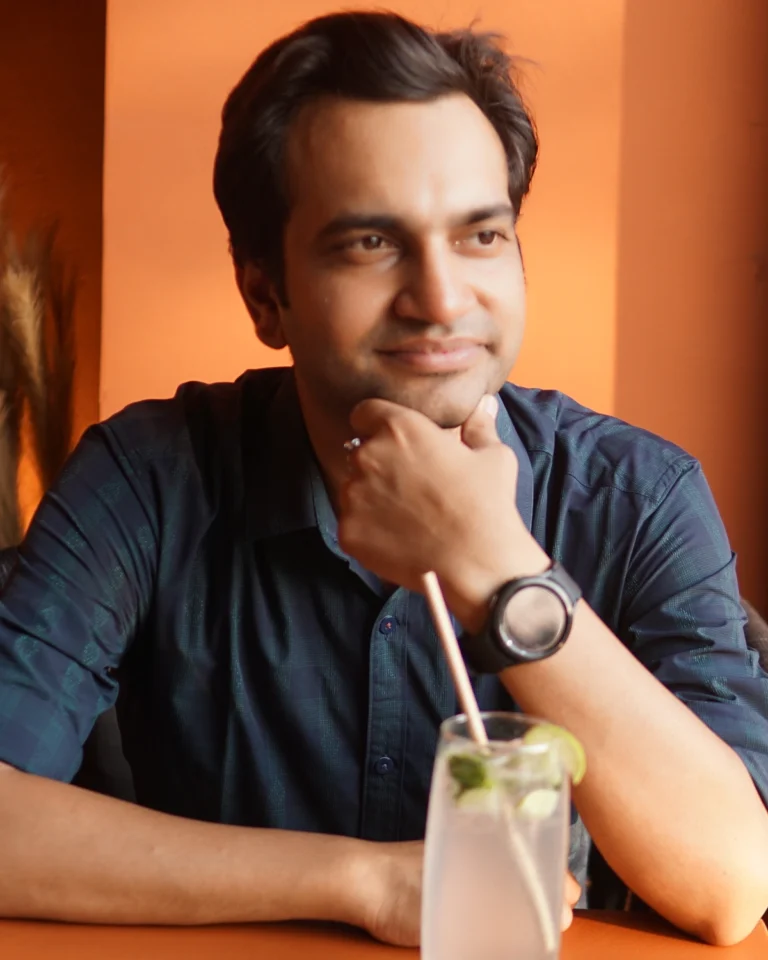
Ashish
Ashish is a Delhi-based tour guide, certified by India’s Ministry of Tourism under the Incredible India Tourist Guide (IITG) programme. He lives in Delhi, guides visitors from abroad in person, and writes practical, honest advice to help first-time travellers plan their trip to India.