Travelling India With Elderly Parents: A Practical Guide From a Local Guide
Travelling in India with elderly parents is entirely possible, and many families find it one of their most rewarding trips together. The secret is to plan around comfort and energy rather than trying to see as much as possible. Travel in the cooler months, choose fewer destinations and stay longer in each, use a private car with a driver rather than crowded trains, pick hotels with lifts and good access, plan one main activity a day with plenty of rest, and take care with food, water and health.
I’m Ashish, a licensed tour guide based in Delhi, and I’m happy to travel with families of all ages, including parents and grandparents. Older travellers often bring a special sense of wonder to places they’ve read about or dreamed of visiting for years, and with the right planning, those visits can be relaxed and deeply rewarding. This guide brings together practical advice on making a trip to India comfortable, safe and enjoyable for elderly travellers.
Is India suitable for older travellers?
Yes, with the right planning. India’s major tourist destinations, including Delhi, Agra, Jaipur and Kerala, have comfortable hotels, good private transport and excellent private hospitals. Indian culture also shows great respect for elders, and older visitors are often treated with warmth and courtesy. It’s common for people to offer a seat, help with steps or bags, or simply stop to chat, and many older travellers find this one of the most touching parts of the trip.
At the same time, India can be physically demanding. Heat, crowds, uneven pavements, steps at monuments, long journeys and unfamiliar food can all be challenging, especially for travellers with limited mobility or health conditions. The key is to plan carefully and set a pace that suits the slowest member of the group. It also helps to be honest, before booking, about how far everyone can comfortably walk and how many hours of travel they can manage in a day.
Choosing when to go
The season makes a big difference for older travellers.
For most of north India, including Delhi, Agra, Jaipur and Rajasthan, the most comfortable time is October to March, when days are warm and sunny. February, March, October and November are often the most pleasant, as they avoid the extremes of both heat and cold.
From mid-December to mid-January, mornings and nights in the north can be very cold, often close to freezing, and dense fog can delay flights and trains. Many buildings aren’t well heated, so older travellers need warm clothing, and it’s worth asking hotels whether rooms have heaters.
Delhi’s air quality is often poor in November and parts of winter, which matters particularly for anyone with heart or lung conditions. I’ve explained this in visiting Delhi in November.
April to June is extremely hot in the north, often above 40°C, and I’d generally avoid it for elderly travellers. The monsoon, from July to September, brings heavy rain and humidity.
Kerala and Goa, in the south, are warm and pleasant from November to February. I’ve gone through the seasons in more detail in the best time to visit Delhi.
Choosing where to go
Choose destinations that are relatively easy to reach and have comfortable accommodation.
The Golden Triangle of Delhi, Agra and Jaipur works well for older travellers, as the cities are connected by good roads and comfortable trains, and the main sights are well known and well organised. See how many days the Golden Triangle needs.
Rajasthan offers palaces, forts and heritage hotels. Some forts involve steep climbs and many steps, so choose carefully. See Rajasthan with a private guide.
Kerala is gentle and relaxing, with backwaters, houseboats and a slower pace that many older travellers enjoy. It’s also known for traditional Ayurvedic treatments, and many resorts offer gentle massages and wellness programmes. A houseboat cruise is a particularly comfortable way to see the backwaters without much walking.
Varanasi is deeply meaningful for many visitors, but its narrow lanes, steep ghats and crowds can be challenging. A boat ride along the Ganges is a comfortable way to see the city, and some riverside hotels have rooms or terraces overlooking the water, which saves a lot of walking. See Varanasi for first-timers.
Setting a comfortable pace
Pace is the most important factor in a successful trip with elderly parents.
Fewer destinations, longer stays. Stay at least two or three nights in each place. Every move between hotels involves packing, travelling and settling in, which can be tiring.
One main activity a day. Plan one major sight in the morning, when it’s cooler and quieter, followed by lunch and a rest in the afternoon. If energy allows, add something gentle in the late afternoon, such as a garden or a short drive.
Rest days. Build in a day without sightseeing every few days.
Gentle start. After a long-haul flight, allow at least a day to recover before sightseeing. My guide to arriving at Delhi airport covers the first few hours.
Be flexible. Plans may need to change depending on how everyone feels. It’s better to skip a sight than to push someone beyond their limits.
Getting around
Private car with a driver. For older travellers, a private car with a driver is usually the most comfortable option. It provides door-to-door transport, avoids crowded stations and stairs, and allows frequent stops for rest and toilets. Choose a vehicle with comfortable seats and easy access, and ask for one that’s spacious if anyone has mobility difficulties.
Domestic flights. For longer distances, flying is much less tiring than long road journeys. Request wheelchair assistance when booking, as Indian airports and airlines generally provide it.
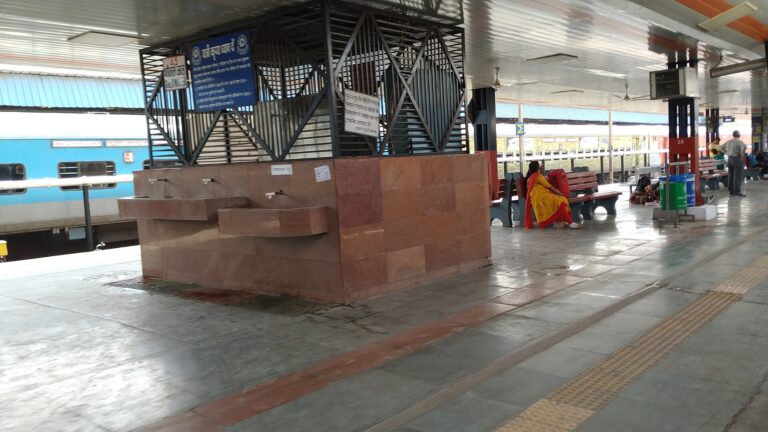
Trains. The faster trains, such as those between Delhi and Agra or Jaipur, can be comfortable in air-conditioned classes. However, stations can be crowded, platforms may involve stairs, and boarding can be a scramble. Porters are available at major stations. I’ve compared the options in Delhi to Agra by train or car.
In cities. App-based taxis such as Uber and Ola are convenient. Auto-rickshaws can be uncomfortable for older travellers and are best avoided for longer journeys.
Choosing accommodation
Look for hotels with lifts, good access, comfortable beds and air conditioning or heating as appropriate. Ground-floor rooms can be helpful. Check whether bathrooms have walk-in showers, grab rails and non-slip floors. A hotel with a pleasant garden, pool or lounge gives a comfortable place to rest during the day.
Heritage hotels in Rajasthan are atmospheric but may have steep stairs, uneven floors and no lifts, so check carefully before booking. Large international and Indian hotel chains usually have the best accessibility.
Visiting monuments
Many of India’s major monuments are accessible to older travellers, though some involve walking, steps and uneven ground.
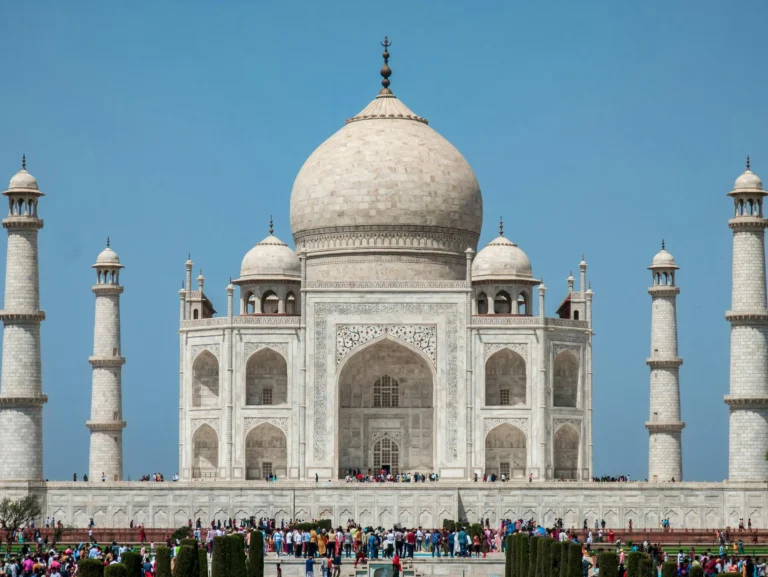
The Taj Mahal involves a fair amount of walking from the parking area and gates, and steps up to the marble platform. Battery-powered vehicles usually run from the parking areas to the gates, and wheelchairs are generally available. Visiting at sunrise avoids the heat and crowds. See the Taj Mahal at sunrise.
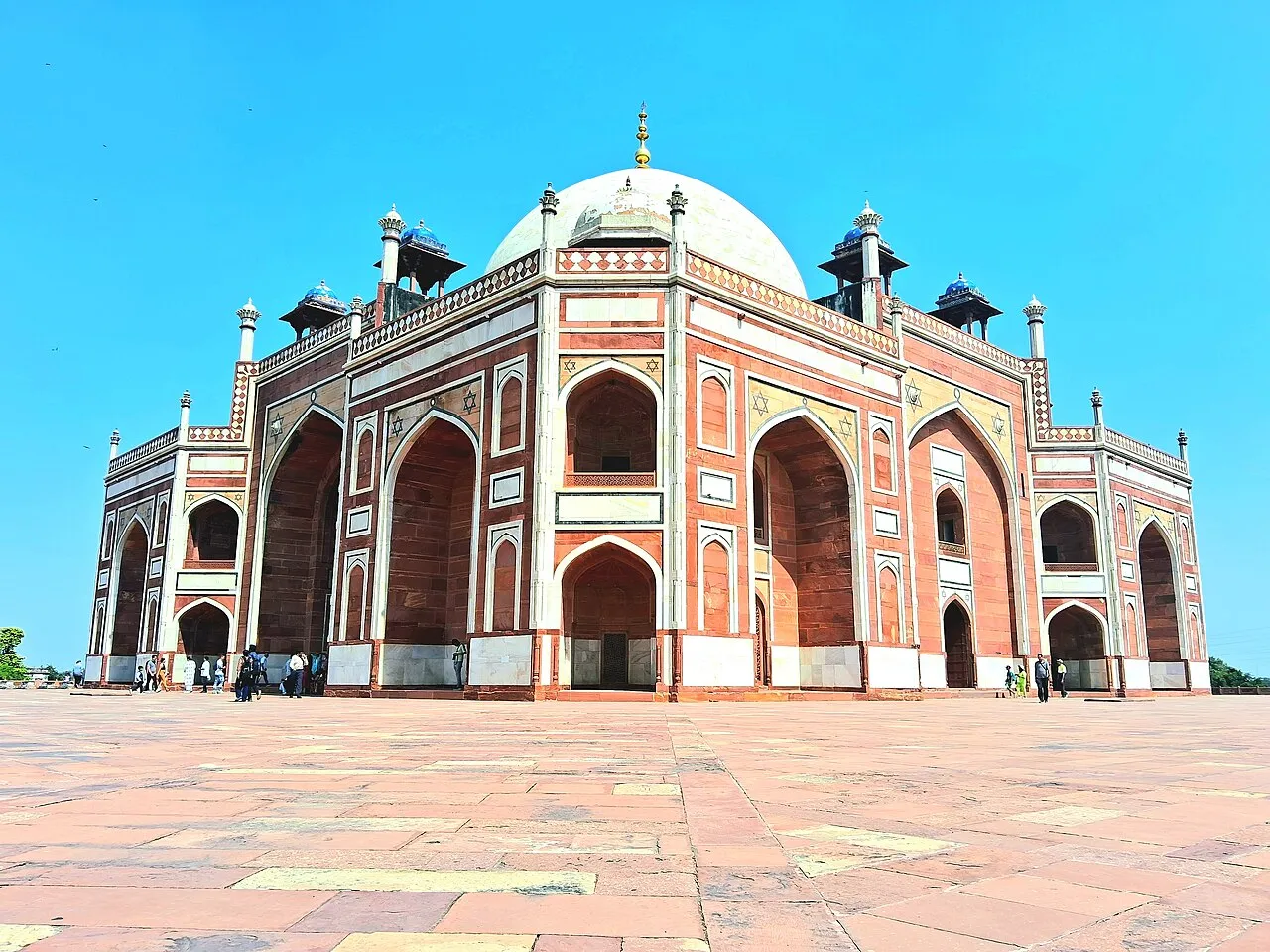
Humayun’s Tomb and Lodhi Garden in Delhi have flat garden paths and are generally comfortable to visit.
The Qutub Minar complex is mostly flat and easy to explore.
Old Delhi has narrow, crowded lanes, which can be challenging. A cycle rickshaw ride through the area can be a gentler way to experience it.
Amber Fort in Jaipur is on a hill. Vehicles can take visitors close to the main entrance, but there are still steps and slopes inside.
A local guide can plan routes that avoid unnecessary walking and steps, and arrange wheelchairs where needed.
Food, water and health
Water. Drink only bottled or filtered water, and be careful with ice.
Food. Choose freshly cooked food, and avoid raw salads and pre-cut fruit in the first few days. Many restaurants will make food less spicy on request. Simple dishes such as dal, rice, chapatis and vegetable curries are gentle on the stomach. My street food guide has more advice.
Medicines. Bring enough regular medicine for the whole trip plus extra, in original packaging, with copies of prescriptions. Keep medicines in hand luggage.
Health advice. Speak to a doctor before travelling, especially if anyone has heart, lung or other chronic conditions. Ask about vaccinations and any precautions related to heat, altitude or air quality.
Travel insurance. Make sure everyone has travel insurance with good medical cover, including pre-existing conditions and emergency evacuation if needed.
Hospitals. India’s major cities have excellent private hospitals. Your hotel can recommend doctors and clinics, and many hotels have a doctor on call.
Heat and hydration. Older travellers can be more vulnerable to heat. Encourage regular drinking, rest in the shade and avoid the hottest part of the day.
Travelling with limited mobility or a wheelchair
India is becoming more accessible, but facilities vary widely, and it’s important to plan carefully if anyone in your group uses a wheelchair or has limited mobility.
Major airports have good facilities, including wheelchair assistance, accessible toilets and lifts. Request assistance when you book your flights and confirm it before travelling. Large hotels in the main cities usually have accessible rooms, but it’s worth asking for details, such as door widths, bathroom layout and the location of lifts.
At monuments, access varies. Some, such as the Taj Mahal, Humayun’s Tomb and Qutub Minar, have ramps or paths in places and wheelchairs available, but others involve many steps, uneven surfaces or steep slopes. Pavements in cities are often uneven, crowded or blocked, and kerbs can be high, so a private car that can drop you close to each entrance makes a big difference. A guide who knows which areas are accessible can save a great deal of effort.
If you’re bringing your own wheelchair, a lightweight, folding model is easiest to transport, and it’s useful to bring basic repair items, such as a puncture kit.
Spiritual and meaningful experiences
For many older travellers, a trip to India is about more than sightseeing. Some come to visit the places their families came from, others to experience India’s spiritual traditions, and others to fulfil a long-held dream. India offers many gentle, meaningful experiences: watching the evening aarti ceremony on the Ganges in Varanasi, visiting a gurudwara such as Bangla Sahib in Delhi and sharing a simple meal in its community kitchen, listening to devotional music at a Sufi shrine, or simply sitting quietly in the gardens of a Mughal tomb. Planning time for these experiences, rather than rushing from sight to sight, often makes the trip especially memorable.
Practical tips
Pack comfortable walking shoes with good grip, a hat, sunglasses, and layers for changing temperatures. Bring a light folding stool or walking stick if helpful, as seating isn’t always available at monuments. Carry a small bag with water, snacks, medicines, tissues and hand sanitiser. Keep copies of passports, insurance and medical information. My India packing list has more ideas.
Managing the intensity of India
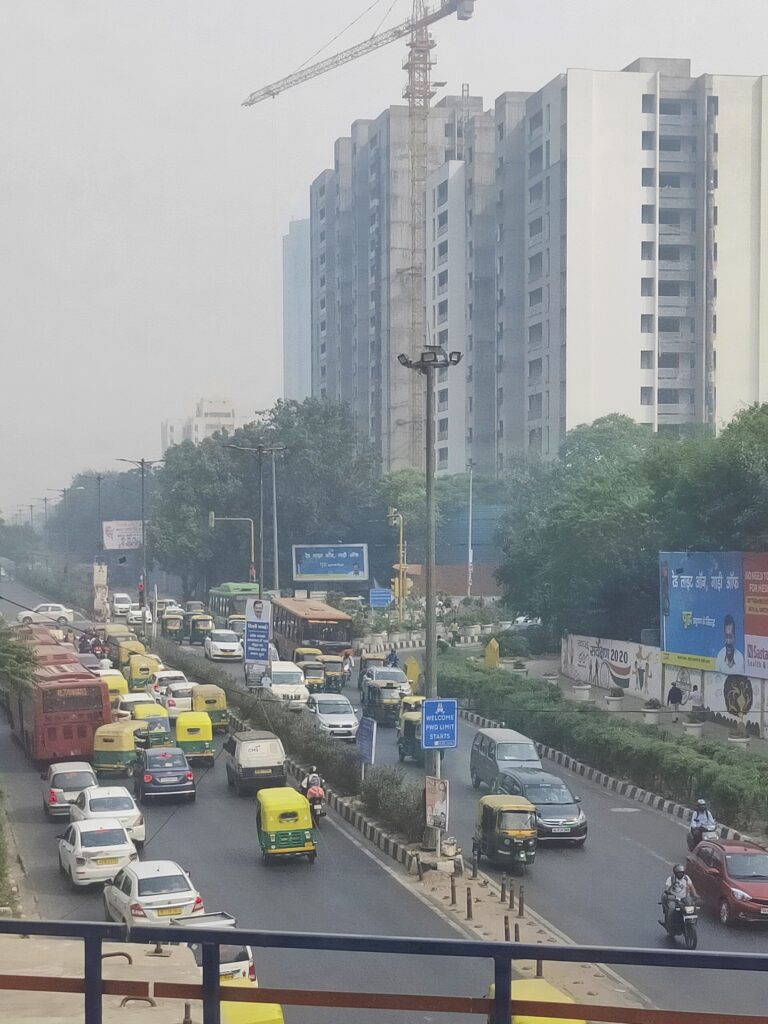
India’s cities can be noisy, crowded and busy, and this can be tiring for older travellers. Traffic, horns, crowds and constant activity can all add up. A few things help. Choose a hotel in a quieter area, with a garden or courtyard where you can relax. Visit busy places, such as markets and popular monuments, early in the day before the crowds build. Balance busy sights with peaceful ones, such as gardens, museums and quieter temples. And don’t be afraid to spend an afternoon resting at the hotel. The most enjoyable trips are often the ones that leave space to absorb what you’ve seen.
Planning tips for the family
If you’re planning the trip on behalf of your parents, involve them in the decisions. Ask what they most want to see and do, and how much walking they’re comfortable with. Be realistic about distances and travel times, and share the plan with them in advance so they know what to expect. It can also help to agree in advance that it’s fine for anyone to skip an activity and rest instead. When travelling as a larger family group, it’s often possible to split up for part of the day, with younger members exploring more energetic sights while older members rest or visit somewhere gentler.
Why a guide makes a big difference
For older travellers, a good guide can transform a trip. A guide handles tickets, queues, walking routes, wheelchairs and transport, adapts the pace to everyone’s energy, and knows where to find shade, seating and clean toilets. They can also share the history and stories of each place in a relaxed way, without the pressure of rushing from sight to sight.
I work as a private tour guide across India and travel with families for a few days or a whole trip. If you’d like help planning a comfortable route, my India trip planning calls are a good place to start. If grandchildren are coming too, see India with kids.
Travelling India with elderly parents: questions people ask me
Is India suitable for elderly travellers?
Yes, with careful planning, a comfortable pace and good transport and accommodation.
When is the best time to visit India with elderly parents?
October to March for most of north India, especially February, March, October and November.
How should elderly travellers get around India?
A private car with a driver for shorter distances, and domestic flights with wheelchair assistance for longer journeys.
Are India’s monuments accessible for older people?
Many are, though most involve some walking and steps. Wheelchairs are available at major sites such as the Taj Mahal.
What should elderly travellers eat in India?
Freshly cooked, mild food such as dal, rice and vegetable dishes, with bottled or filtered water.
Is a guide helpful for elderly travellers?
Very much so, for planning routes, managing logistics and keeping the pace comfortable.
Planning a trip with your parents? Message me on WhatsApp and I’ll be happy to help.
About the author
Ashish
Ashish is a Delhi-based tour guide, certified by India’s Ministry of Tourism under the Incredible India Tourist Guide (IITG) programme. He lives in Delhi, guides visitors from abroad in person, and writes practical, honest advice to help first-time travellers plan their trip to India.