Visiting Delhi in November 2027: Weather, Air Quality and What to Expect
November can be a rewarding time to visit Delhi. The summer heat has gone, the monsoon is over, days are warm and sunny, and evenings are pleasantly cool. However, November is also when Delhi’s air quality is usually at its worst of the year, and visitors should plan for it. Most healthy travellers manage well with a few precautions, such as checking the daily air quality index, wearing a good-quality mask on high-pollution days, planning outdoor sightseeing for the afternoon when visibility is often better, and choosing a hotel with good air filtration. If you have asthma, a heart condition or other respiratory problems, speak to your doctor before travelling.
I’m Ashish, a licensed tour guide based in Delhi. I live here all year round, and November is a month I have mixed feelings about. The weather is lovely, but the smog can be difficult. This guide gives you an honest picture of what to expect, so you can decide whether November is right for you and plan accordingly.
The weather in November
November marks the transition from autumn to winter in Delhi. The weather is generally dry, sunny and comfortable.
Early in the month, daytime temperatures are typically in the high twenties Celsius, with nights in the mid to high teens. By late November, days are cooler, usually in the mid-twenties, and nights can drop to around ten degrees. There’s very little rain. Mornings can be hazy or misty, especially later in the month.
For most visitors, the temperature is very pleasant for sightseeing, much more comfortable than the heat of summer. You’ll want light clothes during the day and a jumper or light jacket for the evenings, particularly towards the end of the month. Days are also getting shorter, with the sun setting in the late afternoon, so it’s worth starting sightseeing in good time.
Air quality: the honest picture
Air pollution is the most important thing to understand about visiting Delhi in November. Every year, air quality across the National Capital Region deteriorates sharply from late October into November and often remains poor through the winter.
Several factors combine to cause this. As temperatures fall and winds weaken, pollutants become trapped close to the ground. Emissions from vehicles, industry, construction dust and the burning of waste add to the problem, and in some years agricultural burning in neighbouring states contributes significantly. Fireworks during the festival season can also cause short-term spikes.
On bad days, the sky can look grey and hazy, visibility is reduced, and some people notice irritation in their eyes, nose or throat. Air quality varies considerably from day to day and even hour to hour, so some days in November are much better than others. A change in wind direction or a little rain can clear the air quickly, while still, cool nights tend to make it worse.
It’s worth saying clearly that the pollution doesn’t stop Delhi functioning. Offices, schools, markets and monuments generally stay open, and millions of people go about their daily lives. In the most severe episodes, the authorities sometimes close schools or restrict certain activities, but for visitors, the main impact is on comfort and how you choose to plan your days.
Checking the air quality
The air quality index, or AQI, is the standard measure of air pollution. You can check Delhi’s AQI through the Central Pollution Control Board, the SAFAR system, and widely used apps and websites that show real-time readings. As a rough guide, lower numbers are better, readings in the “poor” range and above can affect sensitive people, and “very poor” or “severe” readings may affect everyone, especially during prolonged outdoor activity.
Checking the AQI each morning helps you decide how to plan your day: more time indoors on bad days, and outdoor sightseeing when conditions improve.
Who should be cautious
Air pollution affects people differently. Healthy adults visiting for a few days usually experience mild symptoms, if any. However, poor air quality can be more serious for:
- People with asthma, chronic obstructive pulmonary disease or other lung conditions.
- People with heart conditions.
- Young children.
- Older travellers.
- Pregnant women.
If you or anyone in your group falls into these categories, talk to your doctor before travelling, bring any medicines and inhalers you might need, and consider whether a different month might suit you better. I’ve written more about travelling with family in India with kids and travelling India with elderly parents.
How to reduce your exposure
Wear a good-quality mask. A well-fitting N95 or FFP2 mask provides much better protection than a cloth or surgical mask. Bring a few with you.
Plan outdoor sightseeing for the afternoon. Pollution is often worst early in the morning and late in the evening, when air is still. Visibility and air quality are usually better from late morning to mid-afternoon.
Choose a hotel with good air filtration. Many better hotels in Delhi have air purifiers in rooms or centralised filtration. Ask before booking.
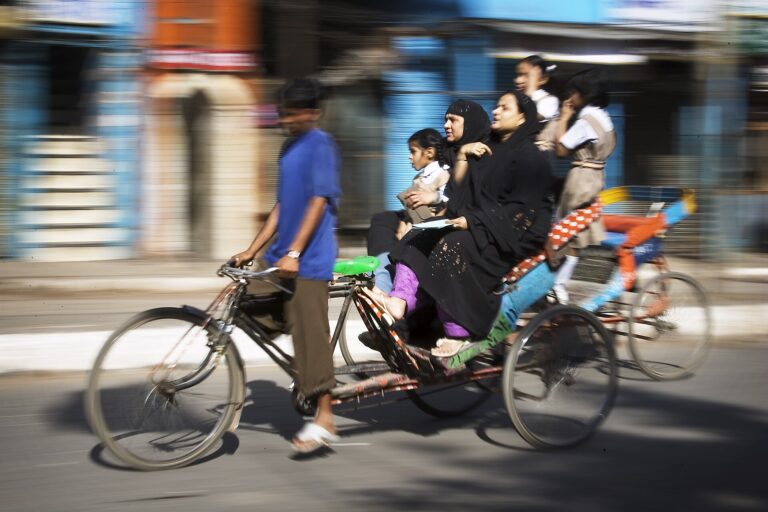
Use air-conditioned transport. Travelling in an air-conditioned car with the windows closed reduces exposure compared with auto-rickshaws or walking along busy roads.
Balance indoor and outdoor activities. On high-pollution days, visit museums, galleries or indoor experiences such as cooking classes.
Stay hydrated and rest. Drink plenty of water and avoid strenuous exercise outdoors on bad days.
Winter vehicle rules for 2026–27
To help control pollution, authorities in Delhi often introduce restrictions during the winter months, under a system known as the Graded Response Action Plan, or GRAP, which tightens as air quality worsens. Measures can include restrictions on construction, certain vehicles and some industrial activities.
For winter 2026–27, from 1 November 2026 to 31 January 2027, vehicles registered outside Delhi must meet the BS-VI emission standard to enter the city. This mainly matters if you’re hiring a car from another city, such as Agra or Jaipur, to bring you into Delhi. Ask your car company to confirm that the vehicle is BS-VI compliant. Delhi-registered vehicles are not affected by this particular rule. Restrictions can change at short notice depending on air quality, so check current information close to your travel dates. I’ve mentioned this in Delhi to Agra by train or car and Delhi to Jaipur by train or car.
Planning your days around the air quality
A flexible approach makes a big difference in November. Check the AQI over breakfast, and if it’s high, begin the day with something indoors, such as a museum, a gallery or a cooking class, and save outdoor monuments for later, when visibility often improves. On clearer days, you can do more outdoor sightseeing. Grouping sights that are close together reduces time spent in traffic, which is also one of the main sources of exposure.
It also helps to keep a couple of options open for each day rather than a fixed plan. A guide or a well-informed hotel can suggest alternatives at short notice, so a bad air day doesn’t mean a wasted day.
If you feel unwell
Some visitors experience a sore throat, cough, irritated eyes or a headache on high-pollution days. These symptoms are usually mild and improve when you spend time indoors in filtered air. Drinking plenty of water, using saline eye drops and resting can help. If you experience shortness of breath, chest pain or symptoms that worsen, seek medical advice promptly. Delhi has excellent private hospitals and clinics, and your hotel can recommend a doctor. Make sure your travel insurance includes medical cover.
Festivals in and around November
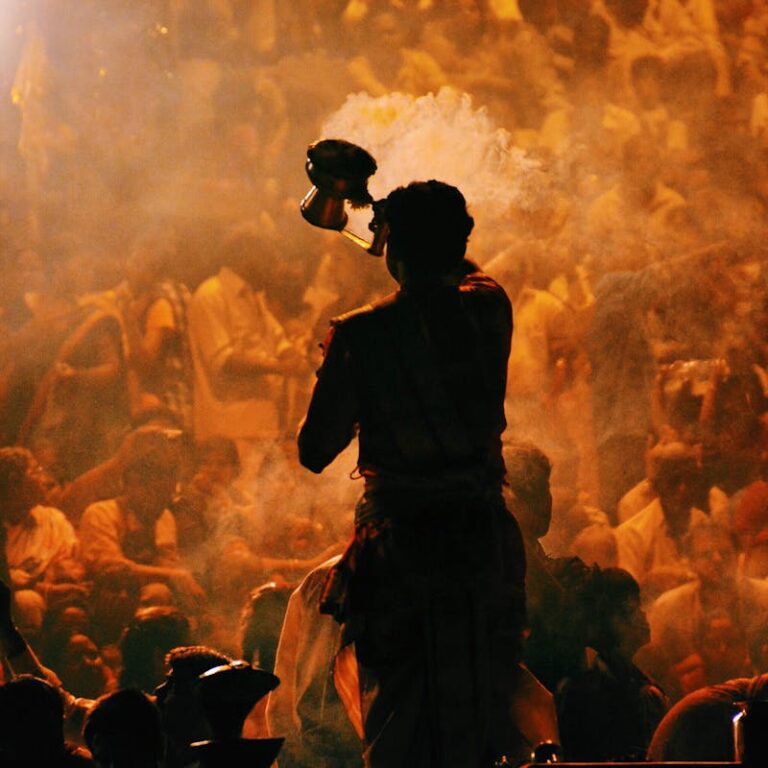
The autumn festival season brings lights, colour and celebration to Delhi. Diwali, the festival of lights, is the biggest festival of the year in north India and falls in October or November depending on the lunar calendar. Homes and markets are decorated with lamps and lights, and families gather for prayers, sweets and celebrations. Fireworks are traditionally part of the festival, though restrictions apply in Delhi because of air quality.
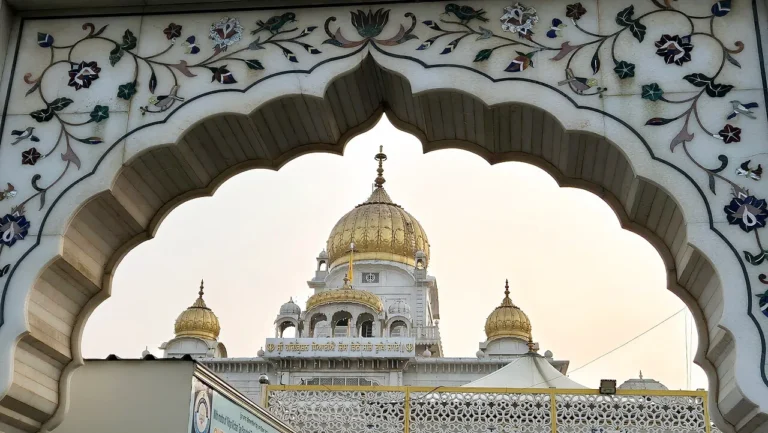
Other festivals in this period include Chhath Puja, when devotees make offerings to the sun at rivers and ponds, and Guru Nanak Jayanti, celebrating the birth of the founder of Sikhism, when gurudwaras such as Bangla Sahib are beautifully lit. Festival dates change each year, so check before you travel.
Festivals are a wonderful time to experience Delhi’s culture, but markets can be extremely crowded, and air quality can worsen in the days after Diwali.
What to see and do in November
Most of Delhi’s major sights are pleasant to visit in November, especially on days with better air quality.
Monuments. Humayun’s Tomb, the Qutub Minar, the Red Fort and India Gate are all comfortable to explore in the mild weather. Visit in the late morning or afternoon for the best visibility.
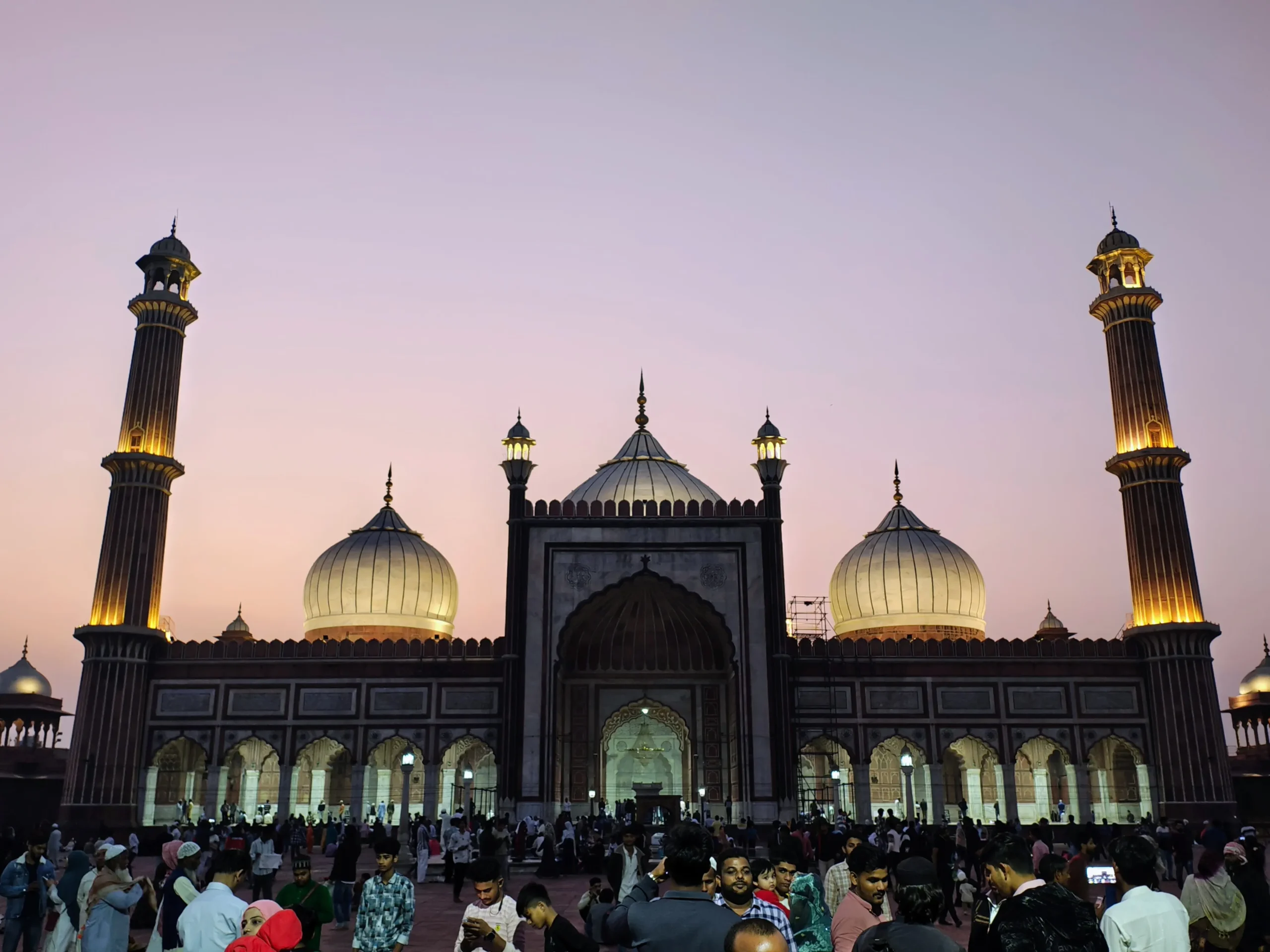
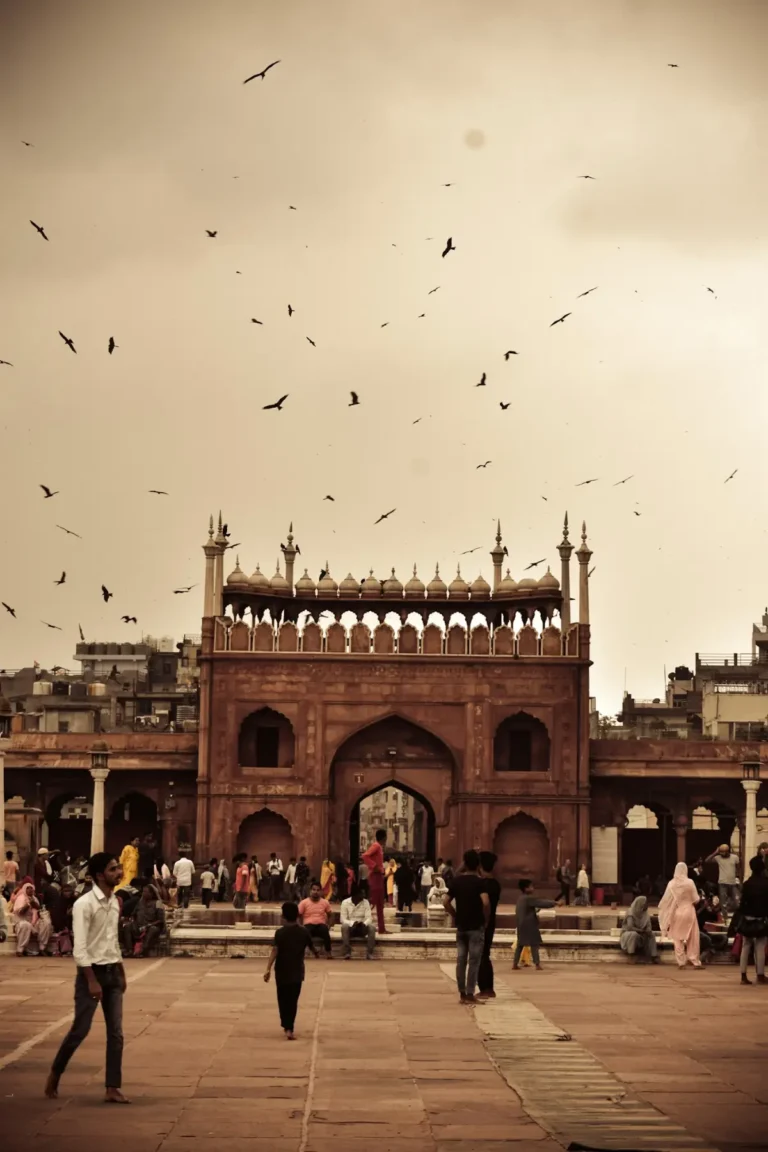
Old Delhi. The lanes of Chandni Chowk and the area around Jama Masjid are lively, and the cooler weather makes walking more comfortable. I’ve written about what to eat there in my street food guide.
Museums and galleries. The National Museum, the National Gallery of Modern Art and the Crafts Museum are excellent choices, especially on high-pollution days.
Gardens. Lodhi Garden and the gardens around Humayun’s Tomb are beautiful in the autumn light, and the trees and open spaces make them pleasant places to walk on better days.
Food and the season
November is a lovely time to eat in Delhi. As the weather cools, the city’s food becomes richer and more warming. Winter specialities begin to appear in Old Delhi, such as daulat ki chaat, a delicate, airy milk dessert sold only in the cooler months, along with hot parathas, kebabs and steaming cups of masala chai. The festival season brings an abundance of sweets, as families exchange boxes of mithai during Diwali. If you enjoy food, November and the winter months are among the best times to explore Delhi’s kitchens.
Crowds, prices and bookings
November is the beginning of the peak tourist season in north India, but it’s usually less busy and less expensive than December and the Christmas and New Year period. Hotels and trains can still fill up, especially around Diwali and other festivals, when many Indians travel to visit family. Book important train journeys and hotels in advance, particularly if your dates coincide with a festival weekend.
The start of the fog season
Towards the end of November and into December, early-morning fog often begins to appear in Delhi and across north India. By mid-December, dense fog regularly delays flights and trains in the mornings. If you’re travelling in late November, allow some extra time for early departures and avoid very tight connections. I’ve covered winter travel in more detail in Christmas and New Year in India.
Travelling onward from Delhi in November
Air quality issues affect much of the plains of north India in November, including Agra and parts of Uttar Pradesh. Rajasthan, further west, often has cleaner air, and the weather there is excellent in November. If air quality is a concern, consider spending less time in Delhi and more in Rajasthan, or heading south to Kerala or Goa. See Rajasthan with a private guide and the best places to visit in India for first-timers.
Arriving in Delhi in November
Most international flights land in Delhi late at night or early in the morning, when air quality can be at its poorest. Wear a mask for the journey from the airport to your hotel if the AQI is high, and use an air-conditioned taxi or hotel pickup rather than an open auto-rickshaw. Plan a gentle first day indoors or in a garden while you recover from the flight. My guide to arriving at Delhi airport explains the arrival process step by step.
What to pack
Light clothes for the day, a light jumper or jacket for the evenings, several good-quality N95 or FFP2 masks, eye drops if your eyes are sensitive, any inhalers or medicines you need, and sunglasses. My India packing list has more detail.
Is November a good time to visit Delhi?
It depends on your priorities. If you’re healthy, flexible and willing to take a few precautions, November offers pleasant weather, festivals and fewer crowds than December. If you’re particularly sensitive to air pollution, or travelling with young children or older relatives with health conditions, February, March or October may be better choices. I’ve compared the months in the best time to visit Delhi.
Want help planning a November trip?
If you’re travelling in November and would like help planning a route that balances Delhi with cleaner-air destinations, my India trip planning calls are designed for exactly that. And if you’d like a guide in Delhi who can adapt your days to the air quality, I work as a private tour guide across India.
Visiting Delhi in November: questions people ask me
Is November a good time to visit Delhi?
The weather is pleasant, but air quality is often poor. Healthy travellers usually manage well with precautions; sensitive travellers may prefer another month.
What is the weather like in Delhi in November?
Dry and sunny, with warm days in the mid to high twenties Celsius and cool evenings, getting cooler towards the end of the month.
How bad is the air pollution in Delhi in November?
It varies daily, but November often has the worst air quality of the year. Check the AQI each day and plan accordingly.
Should I wear a mask in Delhi in November?
On high-pollution days, a well-fitting N95 or FFP2 mask is recommended, especially outdoors.
Do I need to know about vehicle restrictions in Delhi?
From 1 November 2026 to 31 January 2027, vehicles registered outside Delhi must meet the BS-VI standard to enter the city. Check with your car company if you’re hiring from another city.
What festivals take place in November in Delhi?
Depending on the year, Diwali, Chhath Puja and Guru Nanak Jayanti may fall in or around November.
If you’re planning a November trip, message me on WhatsApp and I’ll be happy to help.

About the author
Ashish
Ashish is a Delhi-based tour guide, certified by India’s Ministry of Tourism under the Incredible India Tourist Guide (IITG) programme. He lives in Delhi, guides visitors from abroad in person, and writes practical, honest advice to help first-time travellers plan their trip to India.
6 Comments