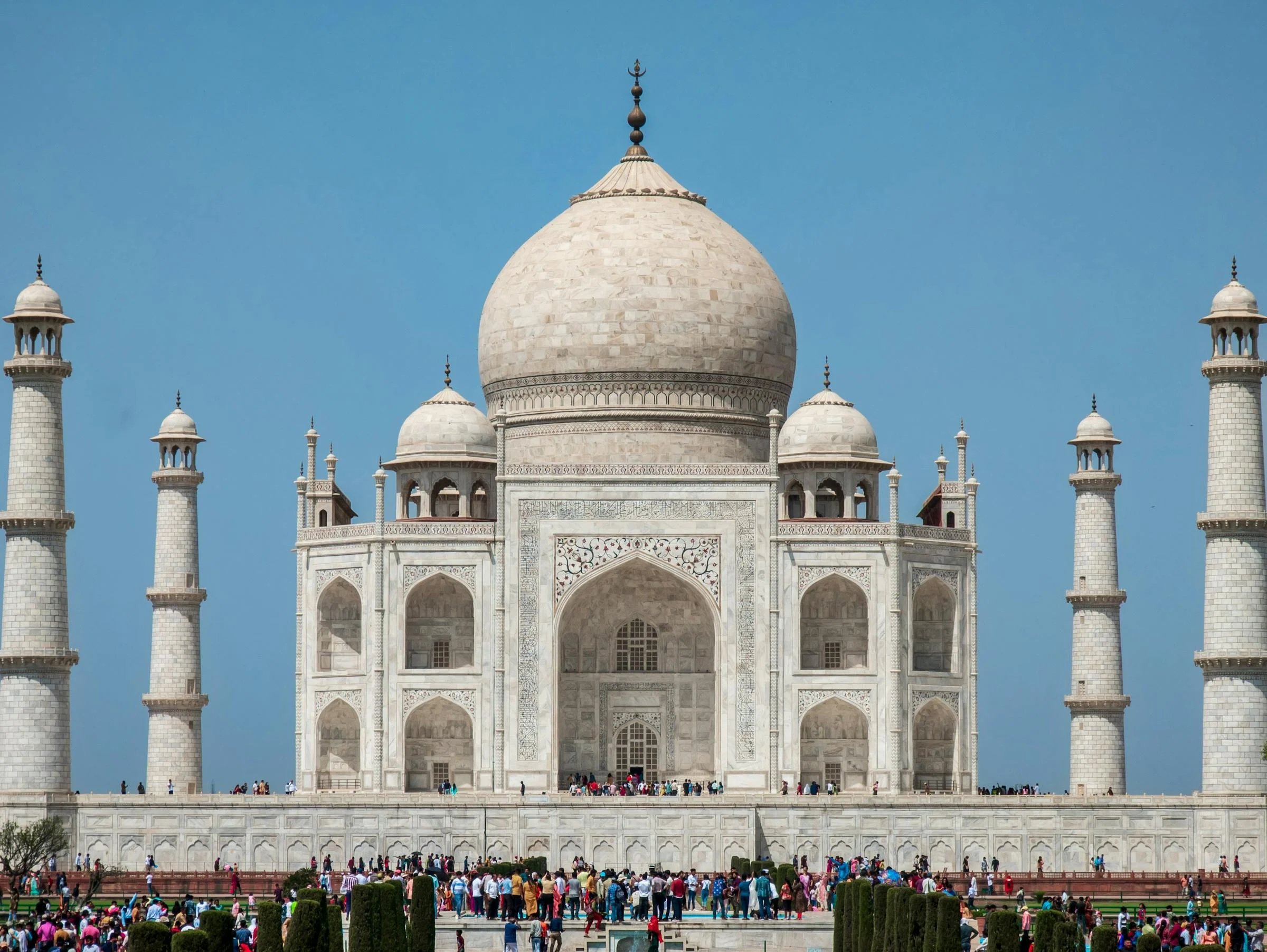
Delhi to Agra: Train or Car? An Honest Comparison From a Local Guide
For most people travelling from Delhi to Agra, the train is the better option. The fastest services take around an hour and forty minutes, compared with three and a half to four hours by road once you allow for traffic leaving Delhi and entering Agra. A car with a driver makes more sense if you’re a family or a group of three or more, if you’re travelling with lots of luggage, children or older parents, or if Agra is one stop on a longer road trip that continues to Jaipur.
I’m Ashish, a licensed tour guide based in Delhi, and this is one of the questions travellers ask me most often. There isn’t a single right answer, because the best choice depends on your group, your budget, the time of year and what comes next in your trip. This guide explains the options in detail so you can decide for yourself.
How far is Agra from Delhi?
Agra is roughly 230 kilometres south of Delhi by road. Most of the drive uses the Yamuna Expressway, a fast toll highway that opened in 2012 and made the journey much quicker than it used to be. The railway line runs a similar distance, and several fast trains connect the two cities every day.
On paper the distance looks short, and in a sense it is. The difficulty is the time spent in the cities at either end. Getting out of Delhi can easily take an hour in heavy traffic, and Agra’s roads are congested too. That’s why the overall journey time by car is longer than the distance alone suggests.
Travelling by train
Train travel between Delhi and Agra is quick, comfortable and good value. Several services are worth knowing about.
Gatimaan Express
The Gatimaan Express is one of the best-known trains on this route and is popular with visitors. It departs from Hazrat Nizamuddin station in Delhi in the morning and reaches Agra Cantonment station in about an hour and forty minutes, then returns to Delhi in the evening. That timetable makes it convenient for a day trip. It does not run on Fridays, which is also the day the Taj Mahal is closed to visitors, so it rarely causes a problem.
Vande Bharat Express
The Vande Bharat trains are India’s newer semi-high-speed services. Journey times on the Delhi to Agra section are similar to the Gatimaan, and the coaches are modern, with comfortable reclining seats. A few run on or through this route at different times of day, departing from New Delhi or Hazrat Nizamuddin depending on the service.
Shatabdi Express
The Shatabdi Express has served this route for decades. It leaves New Delhi station early in the morning and reaches Agra in a little over two hours. It’s reliable and comfortable, and a good alternative if the faster trains are full.
Other trains
There are many slower and cheaper trains, including the Taj Express. They’re fine for experienced travellers on a budget, but for a first visit I’d recommend one of the faster services above. They have reserved seats, air conditioning and usually a meal or snack, and you’ll arrive feeling fresh.
Booking trains
Timetables, fares and services change, so always check the current schedule before planning around a particular train. Tickets can be booked through IRCTC, the official Indian Railways website, or through reputable third-party platforms. Between October and March, which is peak tourist season, the popular trains often sell out several weeks in advance, so book as early as you can.
Practical tips for the train
Check your departure station carefully. Hazrat Nizamuddin and New Delhi are different stations, around half an hour apart by road, and travellers occasionally go to the wrong one.
Allow time to reach the station. Delhi traffic is unpredictable, especially in the morning, and you’ll want to be on the platform at least 20 to 30 minutes before departure.
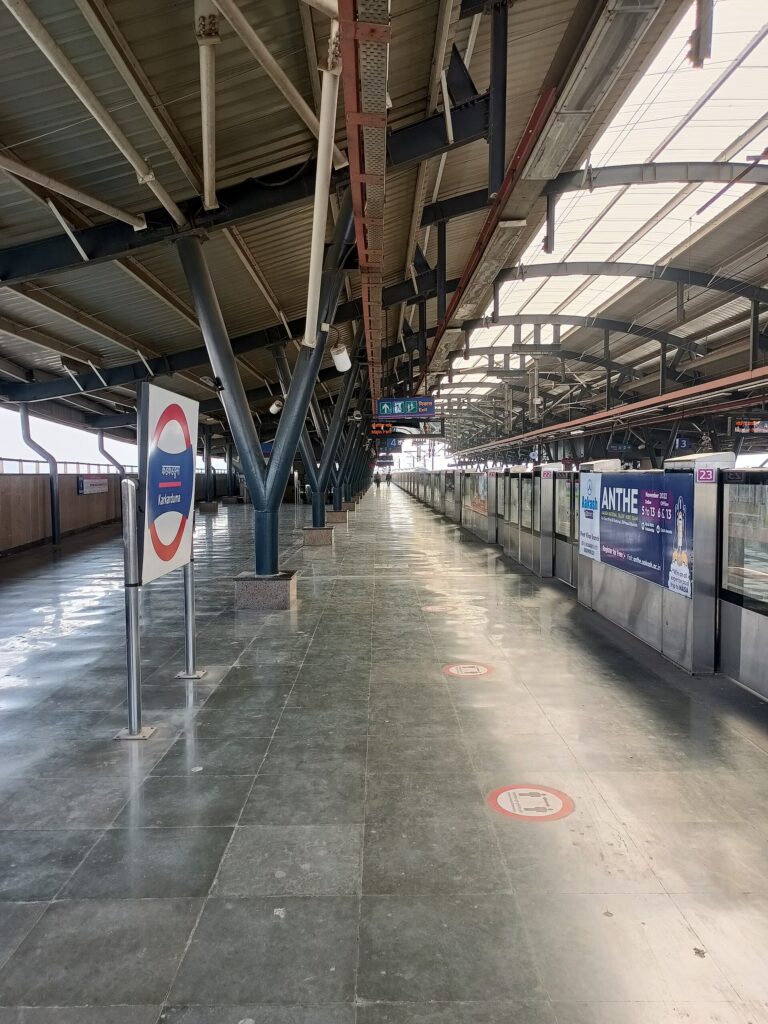
Plan your onward transport in Agra. Agra Cantonment station is a few kilometres from the Taj Mahal, so you’ll need an app-based taxi, a prepaid taxi or an auto-rickshaw. Agree the fare before setting off if you take an auto.
What the journey is actually like
On the faster trains, the experience is calm and straightforward. You’ll find your coach and seat number on your ticket and on a chart near the coach door. Seats are assigned, so there’s no scramble. Attendants usually serve tea or coffee and a light meal or snack, depending on the train and class. The coaches are air-conditioned, and there’s space for a suitcase on the overhead rack or near the door. Most visitors find the hour and forty minutes passes quickly, watching the farmland and small towns of Uttar Pradesh roll past the window.
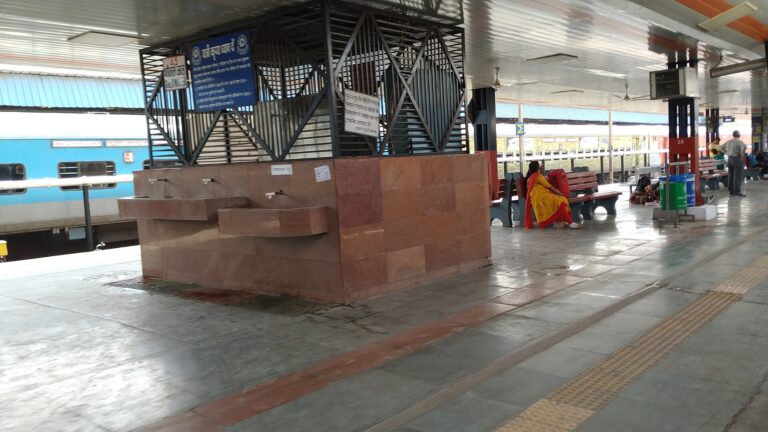
Stations themselves can be busy and noisy, particularly in Delhi. Keep your bags close, ignore anyone offering to “help” with your ticket, and if you need assistance, look for uniformed railway staff or the enquiry counter.
Travelling by car
A private car with a driver gives you door-to-door convenience and complete flexibility. The drive typically takes three and a half to four hours each way, and longer at rush hour or during holidays.
When a car makes more sense
For groups of three or more. The cost of a car and driver for the day is shared, and for a group it can work out similar to, or cheaper than, several fast-train tickets, especially once you add taxis at each end.
For families and older travellers. There are no station stairs, no crowded platforms and no hunting for a taxi on arrival. You can stop whenever you need to, which matters a lot with young children or elderly parents. I’ve written more about this in India with kids and travelling India with elderly parents.
If you’re continuing to Jaipur. If Agra is part of a Golden Triangle trip, a car can simply carry on to Jaipur, around four to five hours further, saving you a return trip to the station with all your luggage.
In the foggy season. From mid-December to mid-January, dense morning fog can delay trains by several hours. Roads slow down in fog too, but with a car you can choose when to set off.
A note on the vehicle rules for winter 2026–27
From 1 November 2026 to 31 January 2027, vehicles registered outside Delhi must meet the BS-VI emission standard to enter the city. A Delhi-registered car isn’t affected. If you’re booking a car from Agra or elsewhere to bring you back to Delhi, ask the company to confirm the vehicle is BS-VI compliant. I’ve explained this in more detail in visiting Delhi in November.
What the drive is actually like
Once you’re out of Delhi, the Yamuna Expressway is a wide, well-maintained highway, and the drive is easy. There are food courts and rest stops along the way with clean toilets and snacks. Your driver will usually stop if you ask. The slowest parts are leaving Delhi and entering Agra, so an early departure, around 6 or 7 in the morning, makes a big difference to your overall journey time.
Choosing a car and driver
Book through your hotel, a reputable travel company, or a trusted local contact. Confirm the price in advance and check what it includes, such as tolls, parking, fuel and the driver’s allowance. Make sure the car is air-conditioned and in good condition, and that the driver knows the route.
Day trip or overnight stay?
You can visit Agra as a day trip from Delhi, and many people do, especially by train. It’s possible to leave Delhi in the morning, see the Taj Mahal and Agra Fort, and return the same evening.
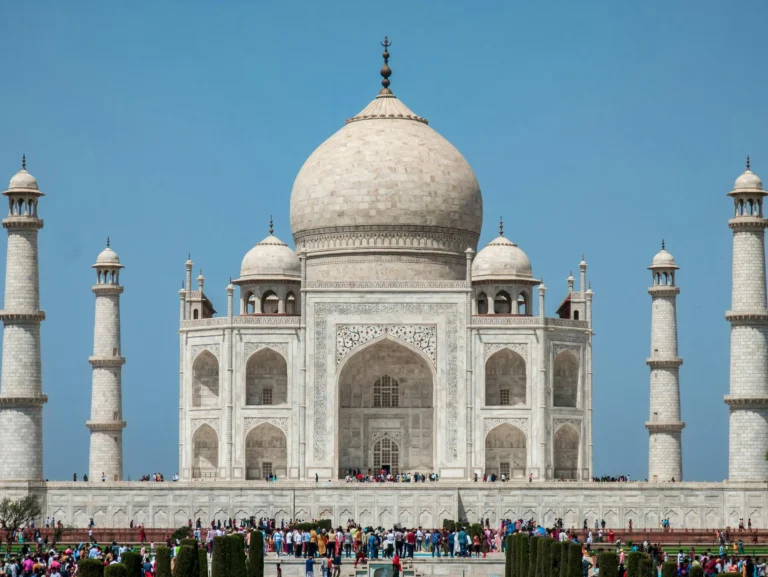
It is, however, a long and tiring day. You’ll start early, spend several hours travelling, and see the Taj in the middle of the day, when it’s at its busiest and the light is harshest. If you can spare a night, I strongly recommend staying over in Agra. That way you can see the Taj Mahal at sunrise, when the marble glows softly and there are far fewer people, and explore the rest of Agra at a relaxed pace. My guide to the Taj Mahal at sunrise covers tickets, timings and which gate to use, and how many days the Golden Triangle needs explains how Agra fits into a wider trip.
What to see in Agra besides the Taj Mahal
Many visitors arrive in Agra, see the Taj and leave. That’s a shame, because the city has several other remarkable Mughal monuments, and knowing about them helps you decide whether a day trip is enough.
Agra Fort is the most important after the Taj. This vast red sandstone fortress was the seat of Mughal power for generations, and it contains palaces, audience halls and courtyards built by Akbar, Jahangir and Shah Jahan. From some of its terraces you can see the Taj Mahal across the bend of the river. Shah Jahan, who built the Taj, spent his final years imprisoned here by his son, reportedly looking out at the tomb of his wife. Allow at least an hour and a half.
Itmad-ud-Daulah’s Tomb, often called the Baby Taj, sits on the opposite bank of the Yamuna. It’s smaller and much quieter than the Taj Mahal, with exquisite inlaid marble work that many visitors find just as beautiful at close range.
Mehtab Bagh is a garden directly across the river from the Taj Mahal. It’s the classic spot for viewing the Taj at sunset, with far fewer people than inside the complex itself.
Fatehpur Sikri, about 40 kilometres from Agra, is the abandoned capital built by Emperor Akbar in the sixteenth century. Its palaces, mosque and courtyards are remarkably well preserved. It’s worth a half-day if you’re staying overnight in Agra, or as a stop on the road to Jaipur.
Seeing even two or three of these makes an overnight stay in Agra much more worthwhile than a rushed day trip.
Where to stay in Agra
If you’re staying overnight, choose a hotel within easy reach of the Taj Mahal’s east or west gate, so you can be there before sunrise without a long journey. The area around the east gate has a good range of hotels, from comfortable mid-range options to luxury properties, and it tends to be calmer than the lanes near the west and south gates. Several hotels in the city advertise rooms or rooftop restaurants with views of the Taj, which are a pleasant bonus at breakfast.
Book early in peak season, particularly on weekends and holidays, when Indian families visit in large numbers too.
The best time of year for the trip
The journey itself works year-round, but the experience changes with the season. From October to March the weather is pleasant for sightseeing, though December and January mornings can be cold and foggy. From April to June, Agra is extremely hot, and it’s best to visit monuments early in the morning. During the monsoon, from July to September, rain is likely but crowds are smaller. For more on timing, see the best time to visit Delhi, which applies closely to Agra as well.
Comparing the options side by side
Journey time. The fast trains take around an hour and forty minutes to two hours. By car, allow three and a half to four hours.
Comfort. Both are comfortable on the right services. Trains are smoother over the distance; cars are more convenient door to door.
Cost. For one or two people, the train is usually cheaper. For three or more, a car can be similar or better value.
Flexibility. A car wins. You choose when to leave and where to stop.
Reliability. Trains are generally punctual outside the fog season. Road journeys depend on traffic.
My recommendation by type of traveller
One or two people on a day trip: take the Gatimaan Express or a Vande Bharat in the morning, and return in the evening.
Families and groups of three or more: a car with a driver, door to door.
Golden Triangle travellers: a car for the whole loop, or the train to Agra and a car onward to Jaipur.
December and January travellers: keep your morning plans flexible because of fog, whichever option you choose.
Anyone visiting on a Friday: don’t plan an Agra day. The Taj Mahal is closed.
Things to watch out for
Be wary of anyone at Agra station or outside the Taj Mahal who tells you that your hotel has closed, the Taj is shut today, or that you need a special ticket from their office. These are old tricks. Check information yourself, and only use official ticket counters or the official online booking portal. I’ve listed common scams in Delhi tourist scams; the same tricks appear in Agra.
At the Taj Mahal, large bags, tripods and food aren’t allowed inside, so travel light on the day or use the cloakroom at the gate.
Finally, think about how much you want to see in one day. Agra’s main monuments are spread across the city and on both sides of the river, and moving between them takes time in traffic. If you’re on a day trip, it’s usually best to choose two sights, typically the Taj Mahal and Agra Fort, and see them properly, rather than racing between four or five and remembering none of them clearly. A local guide can also save you a good deal of time at the ticket counters and security queues, and explain the history as you go.
Want help planning your Agra trip?
Every trip is different, and the right choice depends on your dates, your group and the rest of your route. If you’d like a local to look over your plan and recommend the best way to fit Agra in, my India trip planning calls are made for exactly that. And if you’d prefer to have a guide with you throughout your trip, I work as a private tour guide across India. If you’re continuing beyond Agra, see Delhi to Jaipur by train or car.
Delhi to Agra: questions people ask me
What is the fastest way to get from Delhi to Agra?
The fastest option is a high-speed train such as the Gatimaan Express or a Vande Bharat, which take around an hour and forty minutes. By car, the journey usually takes three and a half to four hours.
Which station does the Gatimaan Express leave from?
The Gatimaan Express departs from Hazrat Nizamuddin station in Delhi and arrives at Agra Cantonment. It does not run on Fridays.
Is it cheaper to go from Delhi to Agra by train or by car?
For one or two travellers, the train is usually cheaper. For a group of three or four, a car with a driver can cost a similar amount and offers door-to-door convenience.
Can I visit Agra as a day trip from Delhi?
Yes, especially by train, but it makes for a long day. Staying one night lets you see the Taj Mahal at sunrise, which I highly recommend.
How far is Agra from Delhi?
About 230 kilometres by road, mostly on the Yamuna Expressway.
Do I need to book Delhi to Agra trains in advance?
Yes, ideally several weeks ahead during the October to March season, when the most popular trains sell out.
If you’d like help with your Agra plans, message me on WhatsApp and I’ll be glad to help.

About the author
Ashish
Ashish is a Delhi-based tour guide, certified by India’s Ministry of Tourism under the Incredible India Tourist Guide (IITG) programme. He lives in Delhi, guides visitors from abroad in person, and writes practical, honest advice to help first-time travellers plan their trip to India.
2 Comments