First Trip to India: 15 Mistakes I See All the Time (and How to Avoid Them)
The biggest mistakes first-time visitors make in India are trying to see too much of the country, travelling in the wrong season for the places they want to visit, and expecting the first day to feel normal after a long flight. Avoid those three and most other problems never arise. The rest of the common mistakes, from using the wrong visa website to booking trains too late or trusting the first friendly stranger, are easy to sidestep once you know about them.
I’m Ashish, a licensed tour guide based in Delhi, and I meet many travellers in their first week in India. The same mistakes come up season after season. None of them ruin a trip on their own, but each one costs time, money or energy that you’d rather spend enjoying the country. Here are the ones I see most often, and how to avoid them.
1. Trying to see the whole country
India is roughly the size of Europe, with an enormous range of landscapes, languages, cultures and cuisines. Yet first-time visitors often try to fit Delhi, Agra, Jaipur, Udaipur, Varanasi, Goa and Kerala into two weeks. On a map, the distances look manageable. In reality, each move between cities takes at least half a day once you include checking out, travelling, checking in and finding your way around, and some journeys take most of a day.
The result is a trip spent largely in cars, stations and airports, arriving in each place too tired to enjoy it. It’s easy to end up remembering the journeys more than the destinations, which is the opposite of what anyone wants from a holiday.
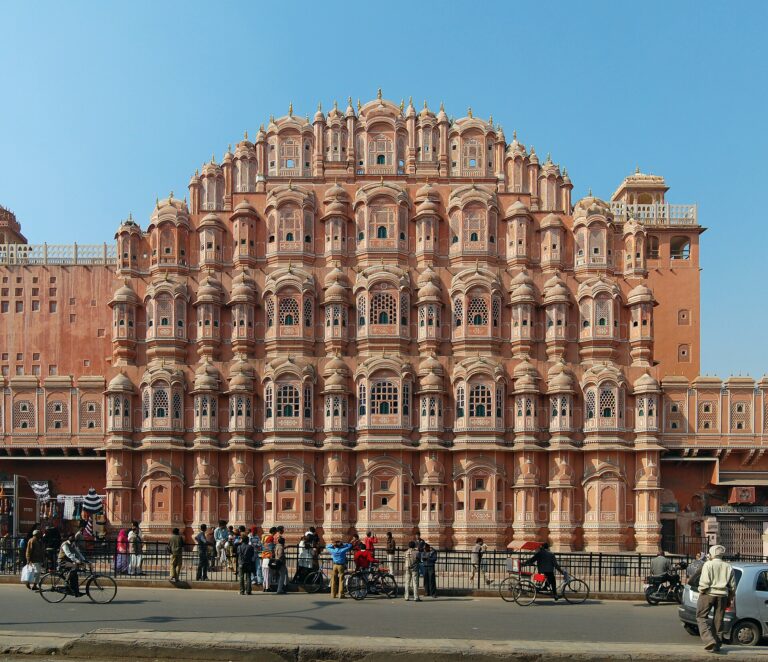
How to avoid it: choose one region and explore it properly. Plan two or three nights in each place, which usually means three or four bases in ten days, or four or five in two weeks. For a first trip, the Golden Triangle of Delhi, Agra and Jaipur is a popular and manageable choice. My guide on how to plan a trip to India explains how to build a realistic route, and how many days the Golden Triangle needs covers the classic first-time circuit.
2. Travelling in the wrong season
India’s weather varies dramatically by region and month. In north India, April to June is extremely hot, with temperatures in Delhi and Rajasthan often above 40°C. From July to September, the monsoon brings heavy rain that can flood streets and disrupt travel. Winter is pleasant during the day but brings cold mornings and dense fog from mid-December to mid-January, and Delhi’s air quality is often at its worst in November.
How to avoid it: match your destination to your dates. For most of the north, October to March is the most comfortable period, with late February and March often the most pleasant. Kerala and Goa are at their best from November to February, while the Himalayan regions are best in summer. I’ve gone through the seasons month by month in the best time to visit Delhi.
3. Planning a big first day
Most long-haul flights arrive in India late at night or in the early hours of the morning. Many travellers plan to visit the Taj Mahal or explore Old Delhi the very next day, and find themselves exhausted, overwhelmed and unable to enjoy it. Jet lag, heat and the sheer intensity of a big Indian city all hit hardest in the first twenty-four hours.
How to avoid it: don’t count your arrival day as a sightseeing day. Rest, eat something simple and plan a gentle first outing, perhaps to a calm place like Humayun’s Tomb or Lodhi Garden in Delhi. My guide to arriving at Delhi airport covers the first few hours in detail.
4. Using the wrong visa website
Search for “India e-visa” online and some of the first results are private agencies whose websites look official. They charge far more than the government fee, sometimes several times as much, and offer little help if something goes wrong.
How to avoid it: apply only through the official government website, indianvisaonline.gov.in, ideally three to four weeks before you travel. Make sure your passport is valid for at least six months from your arrival date, with at least two blank pages. I’ve listed the most common visa problems in India e-visa mistakes.
5. Forgetting the e-Arrival card
India now requires foreign visitors to complete an online e-Arrival card within 72 hours before landing. It’s free and separate from the visa, and because it’s relatively new, many travellers don’t know about it.
How to avoid it: add a reminder to complete it a day or two before your flight, while you have time and a good internet connection. Use only the official government website or app, and keep a screenshot of the confirmation on your phone in case you’re asked for it on arrival.
6. Trusting the first friendly stranger
India’s tourist areas have a few well-known tricks: the stranger who tells you your hotel has closed and offers to take you to another, the person who says a monument is shut today, or the “official tourist office” that turns out to be a private travel agency selling overpriced trips. These are irritating rather than dangerous, but they can cost you money and time, and they’re most common in the first day or two, when visitors are tired and unfamiliar with how things work.
How to avoid it: be politely sceptical of anyone who approaches you with unsolicited information or offers, check things yourself, and use official counters, app-based taxis and reputable bookings. I’ve described the most common tricks in Delhi tourist scams.
7. Booking trains too late
Indian trains are a comfortable and efficient way to travel, but popular routes sell out quickly in the October to March season, sometimes weeks in advance. Travellers who wait until they arrive often find the trains they want are full.
How to avoid it: book important train journeys as soon as your dates are fixed, through IRCTC, the official Indian Railways website, or a reputable platform. I’ve compared the options for two of the most popular routes in Delhi to Agra by train or car and Delhi to Jaipur by train or car.
8. Ignoring opening days
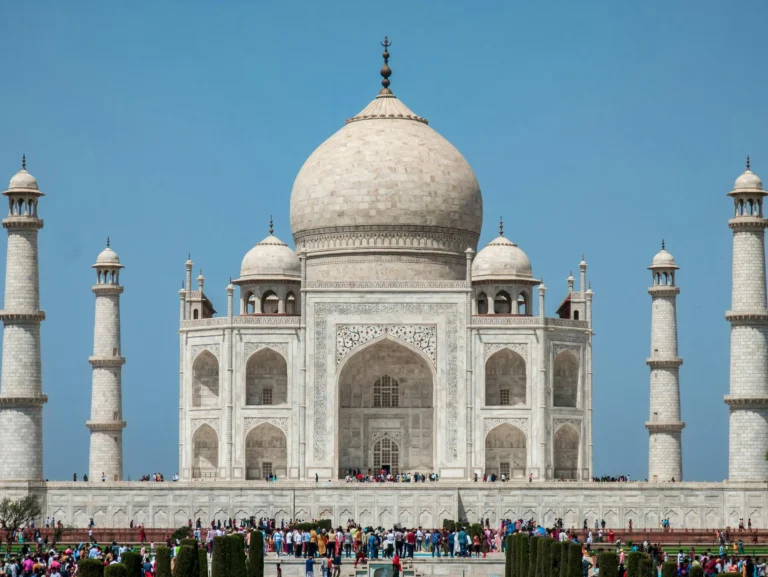
Some of India’s major sights close on certain days. The Taj Mahal is closed to visitors every Friday. The Red Fort in Delhi is closed on Mondays. Many markets close on Sundays. Arriving on the wrong day is a common and frustrating disappointment.
How to avoid it: check opening days and times for the main sights when you plan your route, and arrange your days around them. My guide to the Taj Mahal at sunrise covers tickets and timings in detail.
9. Packing for a beach holiday
Shorts, vest tops and short skirts are fine in some places, but they make visiting temples, mosques and traditional neighbourhoods awkward, and they attract more attention. Many visitors also underestimate how cold north India can be in winter.
How to avoid it: pack loose, lightweight clothes that cover your shoulders and knees, a large scarf, shoes that are easy to slip on and off at temples, and warm layers if you’re travelling in December or January. See what to wear in Delhi and my India packing list.
10. Being either too scared or too careless with food
Some visitors are so worried about getting ill that they avoid Indian food entirely and miss one of the great pleasures of the country. Others eat everything in sight from day one and spend several days recovering.
How to avoid it: eat freshly cooked food from busy places, drink bottled or filtered water, be careful with ice and raw foods, and ease in gently during your first few days. My street food guide explains how to enjoy Indian food safely.
11. Underestimating travel times
A journey that looks short on a map can take much longer than expected, because of traffic, road conditions and the time it takes to get in and out of large cities. Delhi to Agra is around 230 kilometres but usually takes three and a half to four hours by road.
How to avoid it: allow generous time for every journey, avoid tight connections, and don’t schedule important activities straight after a long journey. In winter, allow extra time for fog delays. Within cities, too, traffic can turn a short distance into a long trip, so group sights that are close together and travel outside rush hour when you can.
12. Not sorting out money and mobile data
Some travellers arrive without a plan for cash or connectivity. They exchange money at poor airport rates, can’t book an app-based taxi because their phone doesn’t work, or find that their bank has blocked their card for unusual activity.
How to avoid it: let your bank know you’re travelling, withdraw rupees from an ATM in the arrivals hall rather than using exchange counters, and carry some small notes for rickshaws, tips and snacks. Buy an Indian eSIM before you travel if your phone supports it, or plan to buy a local SIM at the airport, bearing in mind that activation can take a few hours. Having maps and taxi apps working from the start makes your first days much easier.
13. Skipping travel insurance and health preparation
It’s easy to focus on flights and hotels and forget about health. Some visitors arrive without travel insurance, without the vaccinations their doctor might recommend, or without basic medicines.
How to avoid it: see your doctor or a travel clinic several weeks before you travel, buy travel insurance with good medical cover, and pack a small kit with oral rehydration salts, any regular medicines in their original packaging, plasters, sunscreen and mosquito repellent. India’s cities have excellent private hospitals, but treatment can be expensive without insurance.
14. Filling every day with monuments
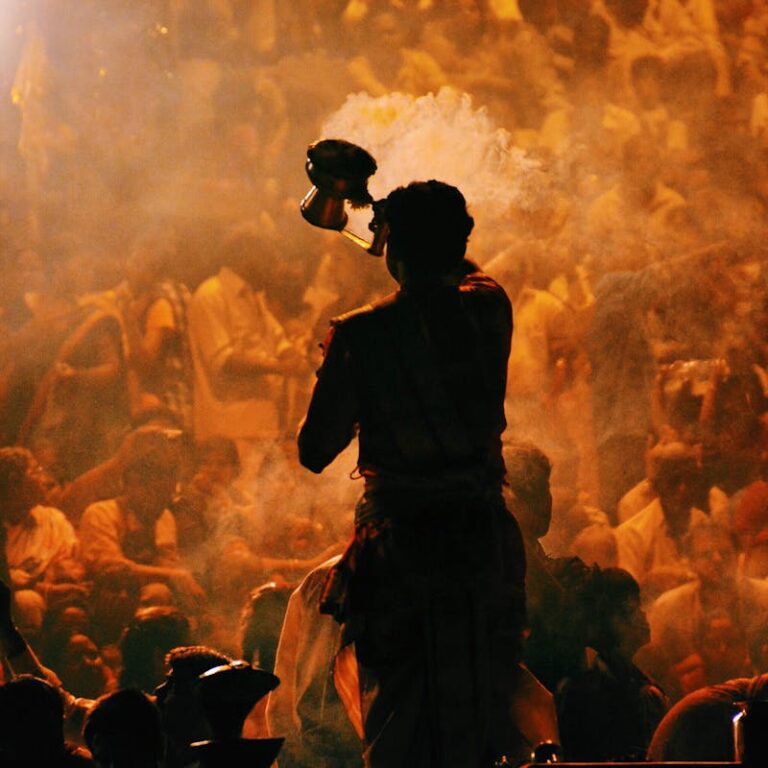
India’s monuments are extraordinary, but a trip that consists only of forts, tombs and temples, one after another, can become exhausting and start to blur together. Some of the most memorable experiences are the unplanned ones: a long lunch, a conversation over chai, an evening walk through a market or watching a ceremony by a river.
How to avoid it: plan one or two major sights each day and leave room for wandering, eating, resting and simply watching daily life. Visit the big monuments early in the morning, when they’re cooler and quieter, and keep afternoons lighter.
15. Not getting a second opinion
Many of these mistakes would be caught if someone who knows India well looked over the plan before it was booked: the monument that’s closed on the planned day, the train that doesn’t run that day of the week, the city given one night when it needs three, or the journey that looks short but takes all day.
How to avoid it: before you pay for non-refundable bookings, ask someone with local knowledge to review your plan. That’s exactly what my India trip planning calls are for. And if you’d like a local beside you once you arrive, I work as a private tour guide across India.
What first-timers often get right
It’s not all mistakes. Many first-time visitors get a great deal right, and it’s worth recognising what works.
Travellers who give themselves time in fewer places almost always enjoy India more. Those who try the food, carefully but with curiosity, often say it was a highlight. People who take a guide for their first day or two in a big city like Delhi usually settle in faster and feel more confident exploring on their own afterwards. And those who build in a few quiet moments, a garden, a long breakfast or an afternoon by the hotel pool, tend to finish their trip feeling inspired rather than exhausted.
If you’re travelling with children or older parents, a slower pace and comfortable private transport make an especially big difference. I’ve written more in India with kids and travelling India with elderly parents. For an honest look at safety, see is India safe for tourists, and for ideas on where to go, see the best places to visit in India for first-timers.
A note on mindset
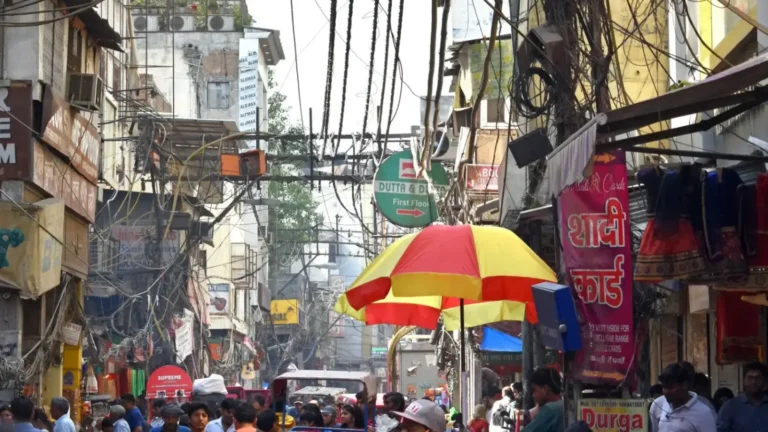
Perhaps the most important preparation isn’t practical at all. India can be noisy, crowded, chaotic and confusing, especially at first, and it will almost certainly challenge some of your expectations. Things won’t always run on time, plans will sometimes change, and you’ll see contrasts of wealth and poverty that can be confronting.
Travellers who come with patience, curiosity and a sense of humour usually have the best experiences. If you accept that not everything will go to plan, take breaks when you need them, and stay open to the unexpected, India tends to reward you with moments of warmth, beauty and generosity that stay with you long after you leave. It’s also worth remembering that most of the people you’ll meet are simply going about their lives, and many will go out of their way to help a visitor.
A quick first-trip checklist
- Choose one region and three to five bases.
- Match your destination to the season.
- Apply for your e-visa through the official website, three to four weeks ahead.
- Complete the e-Arrival card within 72 hours before landing.
- Book flights, important trains and your first nights’ hotel early.
- Check opening days for the main sights.
- Pack modest, comfortable clothes and the right layers for the season.
- Sort out money, mobile data, insurance and health preparations.
- Keep your first day gentle.
- Get your plan checked by someone who knows India.
First trip to India: questions people ask me
What is the biggest mistake first-time visitors make in India?
Trying to see too much. Choosing one region and spending two or three nights in each place makes for a much better trip.
How long should my first trip to India be?
Ten days to two weeks is a good length, as long as you focus on one region.
When is the best time for a first trip to India?
For most of north India, October to March.
Will India feel overwhelming?
For a day or two, possibly. Most visitors adjust quickly, especially if they plan a gentle first day.
Should I book everything in advance?
Book flights, your first nights’ accommodation and important train journeys early. You can keep some flexibility for the rest.
Is a guide useful on a first trip to India?
Very, especially in your first few days and in large cities like Delhi.
Planning your first trip? Message me on WhatsApp and I’ll be happy to help.
About the author
Ashish
Ashish is a Delhi-based tour guide, certified by India’s Ministry of Tourism under the Incredible India Tourist Guide (IITG) programme. He lives in Delhi, guides visitors from abroad in person, and writes practical, honest advice to help first-time travellers plan their trip to India.