Is India Safe for Tourists? An Honest Answer From a Local Guide
For most visitors, yes, India is safe. Millions of foreign tourists visit every year, and the great majority experience nothing worse than a stomach upset, a little sunburn and paying too much for a rickshaw ride. The real risks for tourists are mostly everyday ones: scams and overcharging, traffic, food and water, extreme heat or poor air quality, and, for women, unwanted attention. If you take the same sensible precautions you’d take in any large, busy city, and plan around these few issues, you’re very likely to have a safe and rewarding trip.
I’m Ashish, a licensed tour guide based in Delhi. “Is it safe?” is often one of the first questions travellers ask me, sometimes before they’ve even asked about the Taj Mahal. This guide gives you an honest picture, without exaggerating the risks or pretending they don’t exist, along with practical advice on how to stay safe.
The bigger picture
India is an enormous and varied country, and it’s impossible to make a single statement that applies equally everywhere. Overall, though, serious crime against tourists is uncommon, and most visitors travel without any significant problems. The major tourist destinations, such as Delhi, Agra, Jaipur, Udaipur, Varanasi, Goa and Kerala, are used to foreign visitors and have well-established tourist infrastructure.
At the same time, India can be intense, especially on a first visit. Crowds, noise, traffic and constant activity can feel overwhelming, and that feeling of being out of your comfort zone is sometimes mistaken for being unsafe. Understanding the difference helps. Most of what you’ll encounter is unfamiliar rather than dangerous.
It’s always worth checking your own government’s travel advice before you go, as it is regularly updated and can highlight specific regional issues.
Common worries that are usually overstated
Some concerns come up again and again in travellers’ messages, and it helps to put them in perspective.
“Will I get sick?” Many visitors have at least one mild stomach upset, but serious illness is uncommon if you’re careful with water and food. Most upsets pass within a day or two with rest and fluids.
“Will I be overwhelmed?” Possibly, for a day or two. The noise, crowds and traffic of a big Indian city can be a shock at first, but most people adjust surprisingly quickly. Planning a gentle first day helps a great deal.
“Will I be constantly harassed?” You’ll be approached by sellers, drivers and touts, especially near tourist sites. A polite but firm “no, thank you” and walking on is usually enough. It becomes much less noticeable once you know what to expect and stop engaging.
“Is it safe to go out at night?” In busy, well-lit areas of major cities, generally yes. As anywhere, avoid empty streets late at night and use a taxi to return to your hotel.
How to choose safe accommodation
Your hotel is your base, and choosing well makes a big difference to how safe and comfortable you feel. Read recent reviews, particularly from travellers similar to you, such as solo women or families. Look for a 24-hour front desk, good security, and a location in a busy, well-connected area. Check how easy it is to reach by taxi, especially if you’re arriving at night. For your first night in India, many travellers prefer to pay a little more for a well-known, reliable hotel.
The risks tourists actually face
Scams and overcharging
This is by far the most common problem. It ranges from being charged a higher price for a rickshaw ride to more elaborate tricks: the stranger who tells you your hotel has closed and offers to take you to another, the person who claims the monument is shut today, or the fake “official tourist office” that sells overpriced trips. These are irritating and can be expensive, but they’re rarely dangerous.
The best defence is knowing about them in advance. Scammers rely on visitors being tired, confused or in a hurry, so the moment someone creates urgency, such as telling you that a place is closing or a deal is only available now, it’s worth slowing down and checking for yourself. I’ve described the most common ones in detail in Delhi tourist scams. In general, be wary of anyone who approaches you unprompted with information or offers, check things yourself, and use official counters, app-based taxis and reputable bookings.
Traffic and road safety
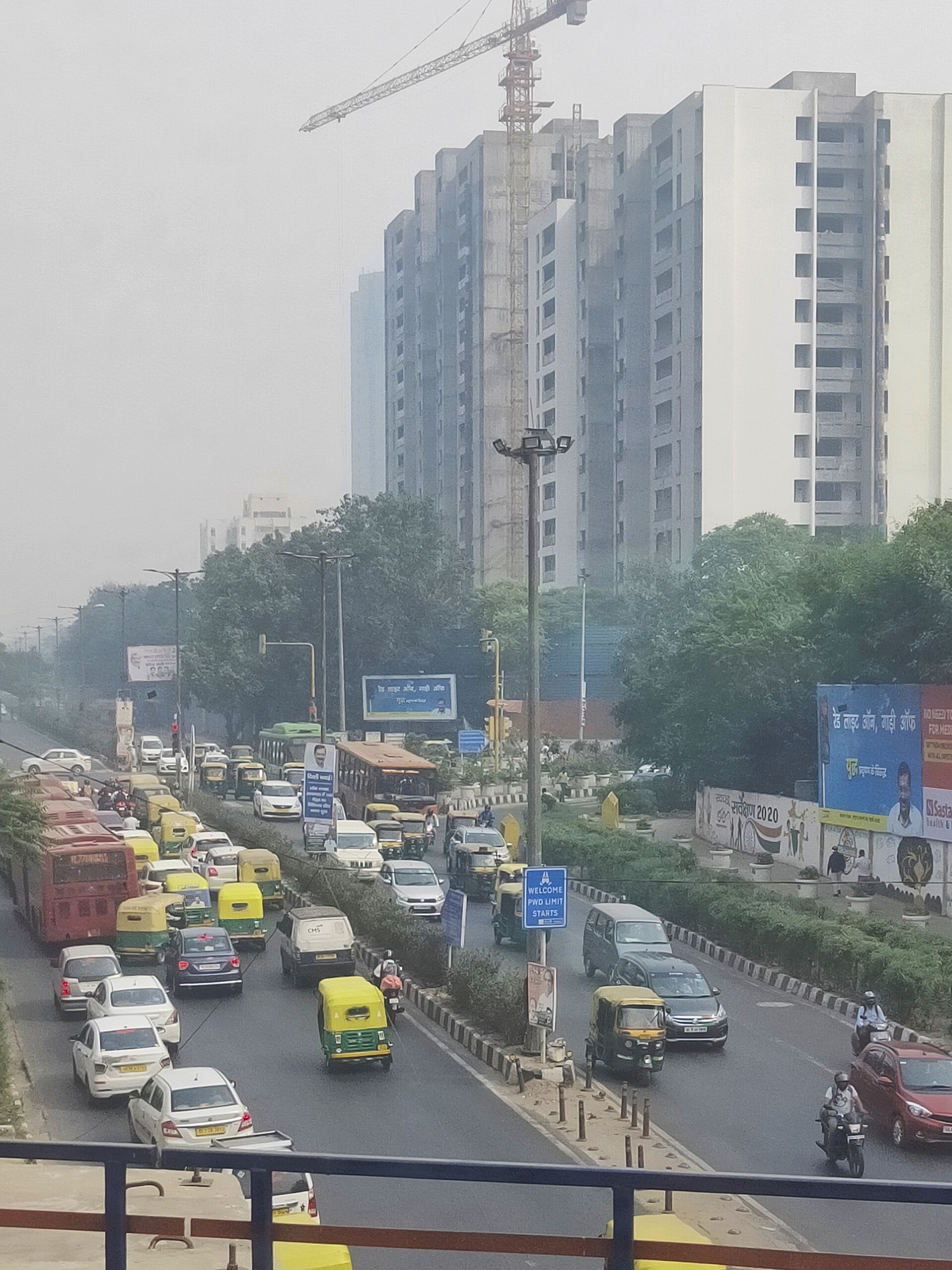
Honestly, crossing a busy road in an Indian city is one of the riskiest things you’ll do on your trip. Traffic is dense, drivers rarely stop for pedestrians, and vehicles come from unexpected directions. Take your time, look both ways more than once, cross with local people when you can, use pedestrian bridges and underpasses where they exist, and keep a close eye on children.
When travelling by car between cities, choose a reputable driver, wear a seatbelt where available, and avoid long night drives where possible.
Food and water
Stomach upsets are common among visitors, though usually mild. Most problems come from contaminated water, ice and food that has been left sitting out, rather than from freshly cooked food. Drink bottled or filtered water, be careful with ice, and choose busy places where food is cooked fresh in front of you. My street food guide explains how to eat well and stay healthy.
Heat and air quality
From April to June, temperatures in much of north India regularly exceed 40°C, and heat exhaustion is a real risk if you’re not careful. Plan sightseeing for early mornings and evenings, drink plenty of water and stay in the shade.
In November and parts of the winter, air quality in Delhi and the surrounding region can be very poor, which matters particularly for people with asthma, heart conditions or other health concerns. I’ve explained this in detail in visiting Delhi in November, and the seasons in general in the best time to visit Delhi.
Petty theft
As in any big city, pickpocketing can happen in crowded markets, stations and on public transport. Keep valuables out of sight, use a bag that closes securely, carry only the cash you need for the day, and keep a copy of your passport separate from the original.
Women travelling in India
Many women travel in India, alone or with friends, and have wonderful experiences. It’s important to be honest, though, that women often face more unwanted attention than men. Staring is very common. Some men may approach to ask for photos or start conversations, and in crowded places groping can occur. Serious incidents involving foreign tourists are rare, but they do happen, and sensible precautions make a real difference.
Dressing modestly, in loose clothes that cover the shoulders and knees, noticeably reduces unwanted attention, especially in older and more traditional areas. Using app-based taxis rather than accepting rides from strangers, staying in well-reviewed accommodation, and keeping evenings to busy, well-lit areas are all sensible steps. I’ve written a detailed guide on Delhi for solo women travellers and on what to wear in Delhi.
Solo travellers
Travelling alone in India is very common, and many solo travellers find it easy to meet people along the way, whether other travellers in guesthouses or local people on trains and in cafés. The main differences for solo travellers are that you have no one to watch your bags, share decisions or double-check information. Staying in well-reviewed hostels or guesthouses, sharing your plans with someone at home, and using reputable transport go a long way. Joining a guided walk or hiring a guide for a day can also be a good way to get your bearings in a new city.
LGBTQ+ travellers
Same-sex relationships between consenting adults were decriminalised in India in 2018, and attitudes in large cities are gradually becoming more open. However, Indian society remains fairly conservative in public, and public displays of affection, whether between same-sex or opposite-sex couples, are generally uncommon outside some urban areas. Most LGBTQ+ travellers visit without any problems by being discreet in public, particularly in smaller towns and religious places. Cities such as Delhi, Mumbai and Bengaluru have more visible LGBTQ+ communities and venues.
Travelling with children
India is generally welcoming to families, and children often receive a great deal of friendly attention. The main safety considerations are traffic, crowds, food and water, and heat. Hold hands in busy places and near roads, agree a meeting point in case anyone gets separated, and keep a recent photo of each child on your phone. A car with a driver is usually the safest and most comfortable way to travel between cities. My guide to India with kids covers this in more detail.
Money and valuables
Use ATMs inside banks or hotels rather than standalone machines on the street where possible, and shield your PIN. Card payments and mobile payments are widely accepted in cities, but it’s useful to carry some cash for small purchases, rickshaws and tips. Don’t carry large amounts of cash or flash expensive jewellery, cameras or phones in crowded places. Use your hotel safe for passports, spare cash and valuables you don’t need during the day. If you lose your passport, report it to the police and contact your embassy straight away.
Practical ways to stay safe
Arrange your first night before you arrive. Book your first hotel and, if you’re landing late, an airport pickup. Arrival is often when travellers feel most vulnerable. See arriving at Delhi airport.
Use app-based taxis or official services. Uber and Ola operate in most cities and give you a fixed price and a record of your journey. At airports, use the official prepaid taxi counters.
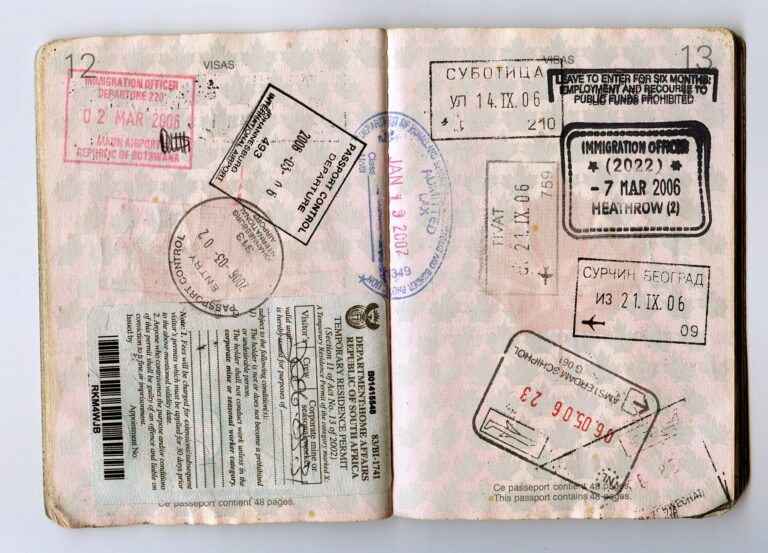
Keep copies of your documents. Carry a photocopy of your passport and visa, and keep digital copies on your phone and in your email.
Save emergency numbers. India’s national emergency number is 112. Save it in your phone, along with your hotel’s number and your embassy’s contact details.
Get travel insurance. Make sure it includes good medical cover. India’s major cities have excellent private hospitals, but treatment can be expensive.
Stay in busy areas at night. Well-lit, busy places are generally fine. Avoid empty streets, isolated areas and deserted parks after dark.
Trust your instincts. If a situation, a person or a place feels wrong, leave. There’s always another taxi and another restaurant.
Don’t share too much information. You don’t need to tell strangers where you’re staying, whether you’re travelling alone or what your plans are.
Safety in specific situations
At stations and airports
Railway stations and airports are busy and can be confusing. Keep your belongings close, ignore people who approach offering to “help” with tickets or claiming your train has been cancelled, and ask uniformed staff or official counters for assistance.
At monuments
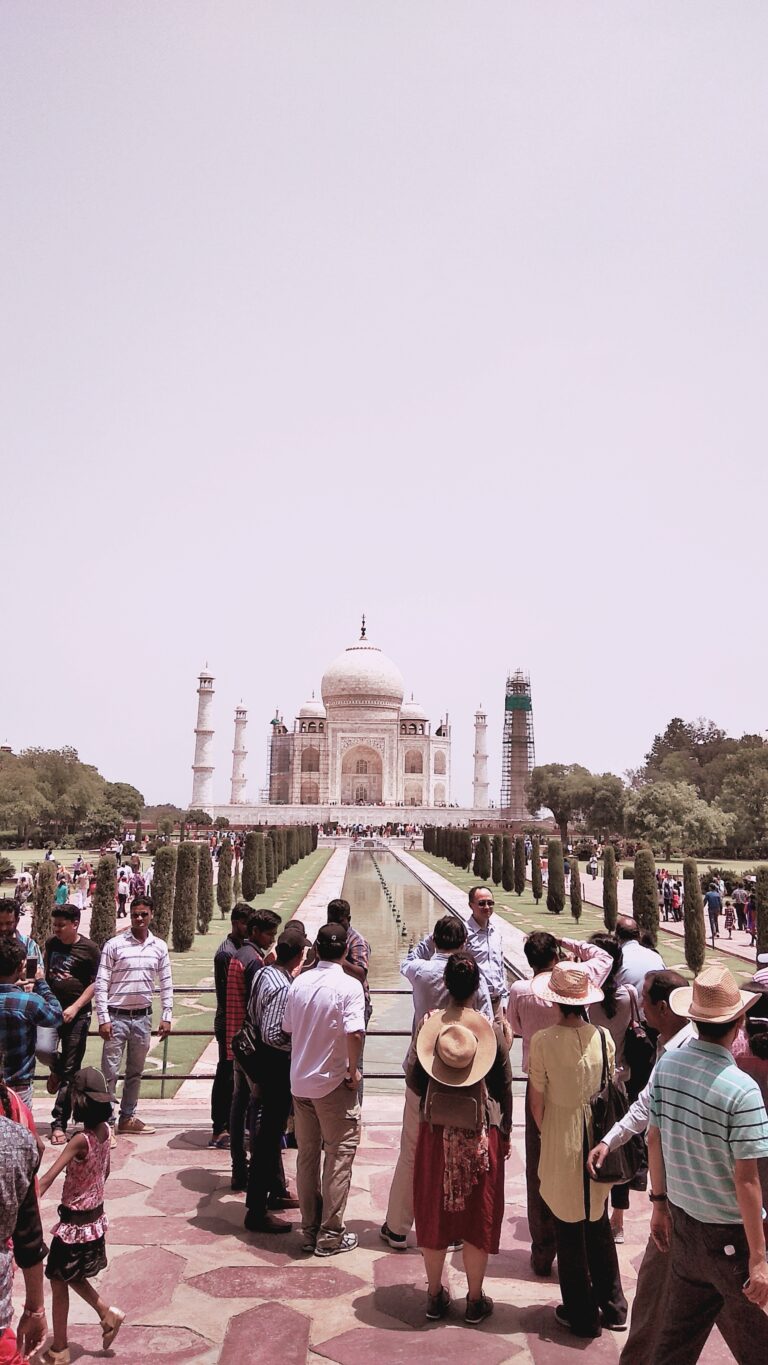
Major monuments are generally safe and well-policed. The main risks are crowds, heat, unofficial guides and touts. Buy tickets from official counters or official websites, and if you hire a guide on the spot, make sure they’re licensed and agree the price first.
Using public transport
The Delhi Metro is clean, safe and efficient, with a women-only carriage at the front of each train. Buses can be very crowded, and most visitors find taxis and the metro more comfortable. Auto-rickshaws are fine for short trips in daylight; agree the fare first or book one through an app.
Weather and natural hazards
India’s weather can affect your safety as well as your comfort. During the monsoon, from roughly June to September in much of the country, heavy rain can cause flooding, landslides in hilly regions and transport disruption. In the Himalayas, roads can close because of snow or landslides, and altitude sickness is a risk at high elevations such as Ladakh. Along the coasts, cyclones are possible at certain times of year. Check weather forecasts and local news during your trip, and follow the advice of local authorities if conditions change.
Health precautions
Speak to your doctor or a travel clinic several weeks before your trip about vaccinations and any health precautions appropriate for you. Bring your regular medicines, in their original packaging, with copies of prescriptions. Pack a small first-aid kit with oral rehydration salts, plasters, sunscreen and mosquito repellent. If you become unwell, your hotel can usually recommend a doctor, and pharmacies are widely available in cities.
Does a guide make travel safer?
A guide certainly makes travel easier, particularly on a first visit and in large, busy cities like Delhi. With a local beside you, you’re much less likely to be targeted by scams, you’ll navigate traffic and crowds more confidently, and you’ll know which areas and situations to avoid. A guide can also help if something goes wrong, from a lost item to an unexpected change of plan.
Many first-time visitors find it helpful to have a guide for the first day or two, then explore independently once they’ve found their feet. I work as a private tour guide across India, and if you’d rather plan everything yourself, I’m happy to go through your plans on an India trip planning call. There’s also a broader guide on how to plan a trip to India.
Is India safe for tourists: questions people ask me
Is India safe to visit right now?
For most visitors, yes, with sensible precautions. Check your government’s current travel advice before you travel, as it can highlight specific regional issues.
What is the biggest risk for tourists in India?
Usually scams and overcharging, followed by traffic, stomach upsets and, in some seasons, heat or poor air quality.
Is India safe for women travellers?
Many women travel safely in India. Expect staring and some unwanted attention, dress modestly, and take sensible precautions, especially at night.
Is it safe to drink tap water in India?
No. Drink bottled or filtered water, and be careful with ice.
What is the emergency number in India?
112 is the national emergency number for police, ambulance and fire services.
Should I hire a guide for safety?
It isn’t essential, but a guide is very helpful in the first few days, especially in big cities like Delhi.
If you have questions before you book, message me on WhatsApp and I’ll be happy to help.
About the author
Ashish
Ashish is a Delhi-based tour guide, certified by India’s Ministry of Tourism under the Incredible India Tourist Guide (IITG) programme. He lives in Delhi, guides visitors from abroad in person, and writes practical, honest advice to help first-time travellers plan their trip to India.