Is Delhi Safe for Solo Women Travellers? Honest, Practical Advice From a Local Guide
Many women travel to Delhi on their own and have a wonderful time, but it’s a city where preparation makes a real difference. The problems solo women most often face are staring, unwanted attention and, in very crowded places, occasional groping, rather than serious danger. Dressing modestly, using app-based taxis or the women-only metro coach, staying in well-reviewed accommodation, keeping evenings to busy and well-lit areas, and saving India’s emergency number, 112, will cover most situations.
I’m Ashish, a licensed tour guide based in Delhi. I’m not going to tell you that my city is perfect for women, because it isn’t, and you deserve an honest answer. But I also don’t want the worst headlines to put you off visiting. This guide brings together practical advice that women travellers and women I know have found genuinely helpful.
A little cultural context
Understanding a bit about the social context helps make sense of some of the attention you may receive. In much of India, particularly in traditional areas, men and women socialise separately more than in many Western countries, and casual mixing between unrelated men and women in public is less common. Foreign women are sometimes seen through the lens of films and television, which can shape assumptions. None of this excuses inappropriate behaviour, but it explains why staring and curiosity are so widespread.
At the same time, Delhi is a modern, fast-changing city. You’ll see Indian women working in offices, running businesses, studying at universities and socialising in cafés, especially in central and South Delhi. Many Indian women are happy to help a foreign woman travelling alone, whether with directions, a recommendation or simply a friendly chat on the metro.
Before you travel
A little preparation makes a big difference to how confident you feel when you arrive.
Book your first nights in advance, ideally somewhere with good reviews from other solo women and an airport pickup if you’re arriving late.
Set up mobile data. An Indian eSIM bought before you travel is the easiest option; otherwise you can buy a local SIM at the airport with your passport, though it may take a few hours to activate. Having maps and taxi apps working from the moment you land is a great comfort.
Share your plans. Leave a copy of your itinerary, hotel details and flight information with someone at home, and check in with them regularly.
Download useful apps, including Uber or Ola, a maps app with offline maps of Delhi, and the Delhi Metro app.
Keep copies of documents, both on paper and digitally, separate from the originals.
What to realistically expect
It helps to know in advance what the everyday experience is likely to be, so it doesn’t come as a shock.
Staring. This is the thing almost every woman mentions first. Men in Delhi often stare openly at foreign women, and at Indian women too. Much of it is curiosity rather than hostility, but it can be tiring, especially in the first few days. Sunglasses help, as does walking confidently as though you know where you’re going, even when you don’t. Over time, most women find they notice it less and it bothers them less.
Unwanted attention and conversation. You may be approached by men asking where you’re from, whether you’re married, or whether they can take a selfie with you. A short, polite but firm “no, thank you” and walking on is usually enough. You’re under no obligation to engage.
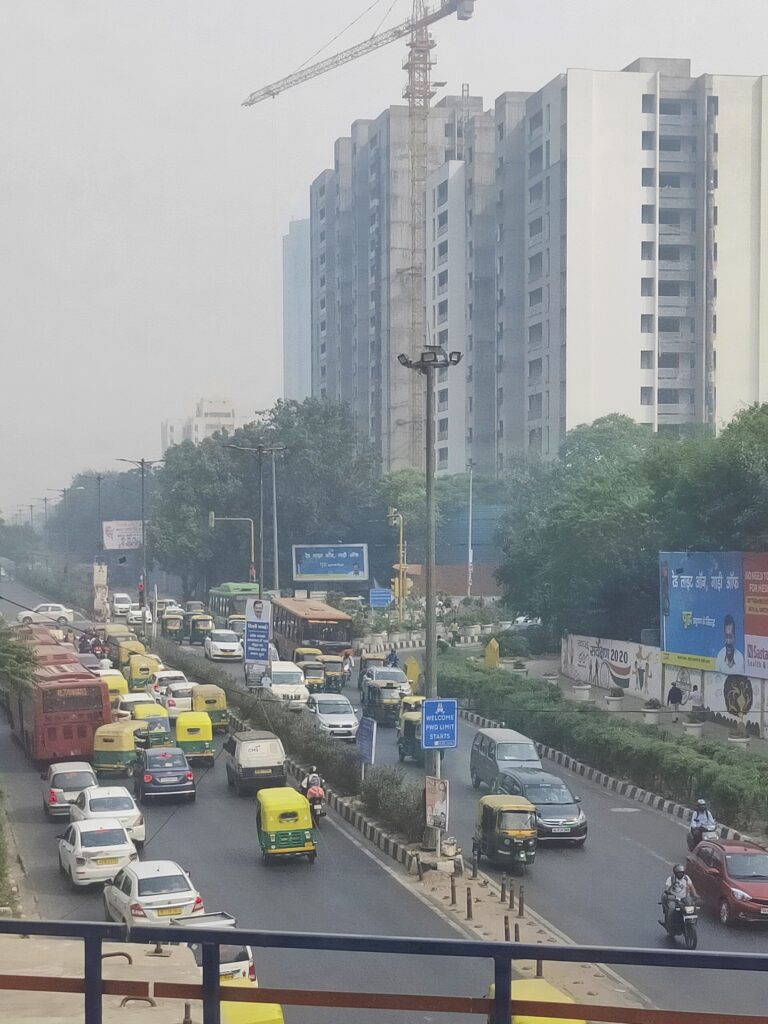
Crowds. In packed markets, crowded buses and at large festivals, groping can happen. It’s the issue women raise most often, and it’s the main reason I’d suggest avoiding the very busiest places at peak times, or visiting them with a companion or guide.
Serious incidents. The serious crimes that make international headlines are real and should not be dismissed. But they are not what most visitors experience. For most women travelling with sensible precautions, the day-to-day reality of Delhi is about managing attention and hassle rather than facing danger.
Getting around safely
The Delhi Metro
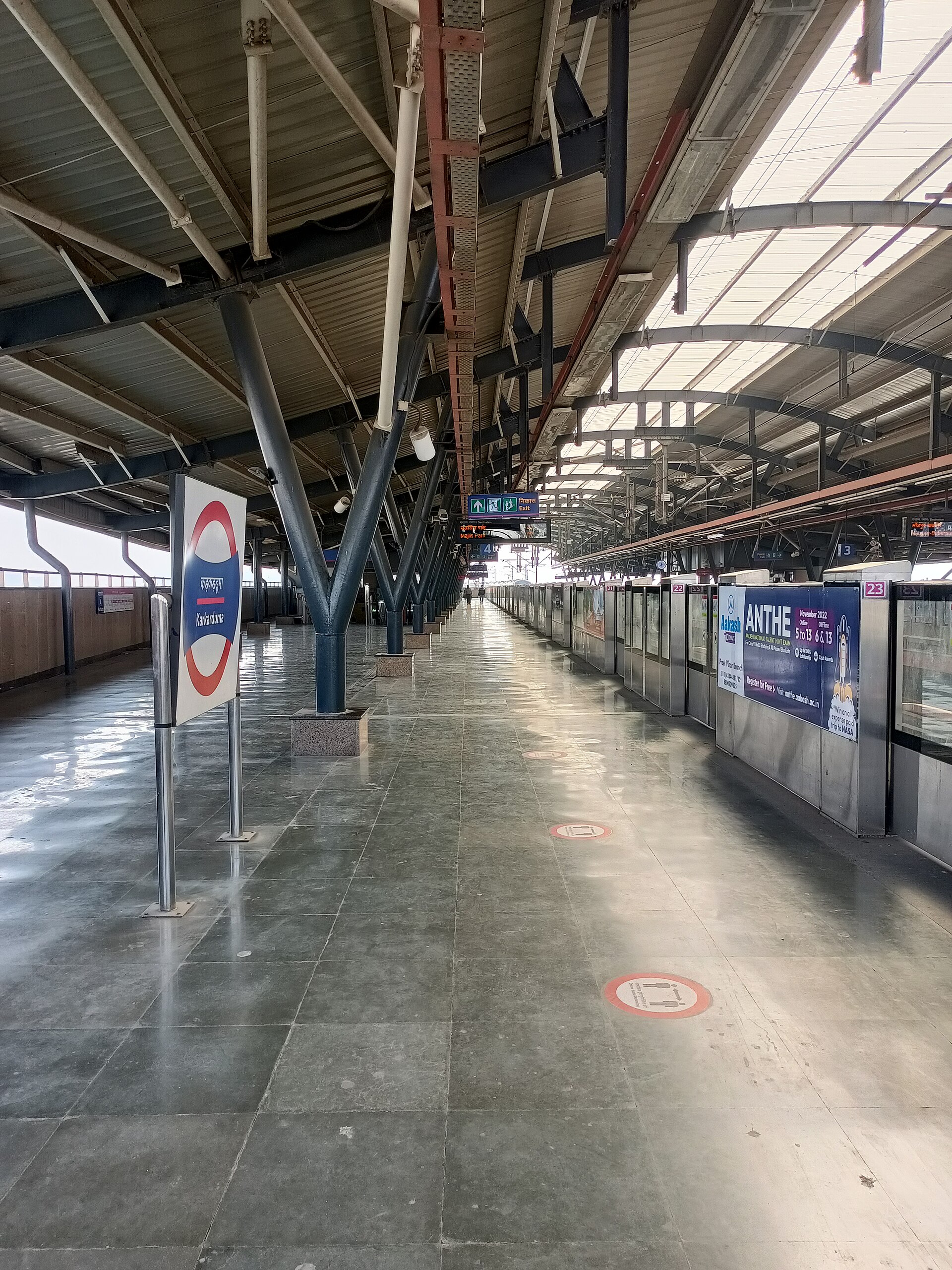
The metro is clean, efficient, inexpensive and well policed, and the first coach of every train is reserved for women. Signs on the platform show where it stops. It’s one of the most comfortable ways to get around the city, especially during the day, and it connects most of the places visitors want to see. Some stations are very busy at rush hour, so if you can, travel outside peak commuting times.
App-based taxis
Uber and Ola are widely used in Delhi and are generally the safest door-to-door option, particularly at night. Before getting in, check that the number plate and the driver’s photo match the app. Share your trip with a friend using the app’s sharing feature, sit in the back, and follow the route on your own phone.
Auto-rickshaws
Auto-rickshaws are fine for short trips during the day. Agree the fare before you get in, or book one through an app, which avoids negotiation. At night, a taxi is a more comfortable choice, as auto-rickshaws are open-sided and you’re more exposed to the street.
What to avoid
Don’t accept rides from strangers who approach you, especially at the airport, railway stations or outside hotels at night. Use official prepaid taxi counters, app-based taxis or a pickup arranged by your hotel. I’ve explained the safe options for leaving the airport in arriving at Delhi airport.
What to wear
You don’t need to cover your hair or dress like a local, but loose clothing that covers your shoulders and knees noticeably reduces unwanted attention, especially in Old Delhi and other traditional areas. Long skirts, loose trousers, tunics and long-sleeved tops are practical and comfortable in the heat. A large scarf is particularly useful: you can use it to cover your shoulders, your head in a gurudwara or mosque, or simply to feel less exposed in a crowded place. I’ve written more about this in what to wear in Delhi and my India packing list.
Choosing where to stay
Your choice of accommodation makes a big difference to how safe and relaxed you feel.
Look for recent reviews from other solo women travellers, which often mention how comfortable they felt in the hotel and the surrounding area. Choose somewhere with a 24-hour staffed front desk and good security. A busy, well-connected location is better than an isolated one.
Paharganj, near New Delhi railway station, is popular with budget travellers and very central, but it can feel chaotic, especially at night. Many women prefer areas around Connaught Place or neighbourhoods in South Delhi, which tend to be calmer and have good restaurants and cafés nearby. Women-friendly hostels and guesthouses, some with women-only dormitories, are also available.
When you check in, don’t announce your room number aloud in the lobby, and keep your door locked. It’s also sensible to tell someone at the front desk if you’re expecting to return late, and to check that your room has a working lock and, ideally, a door chain or latch.
Evenings and nightlife
Delhi feels different after dark. Busy, well-lit areas such as popular markets, Connaught Place and established restaurant and café districts are generally fine in the evening. Quiet residential streets, empty parks, isolated metro exits and deserted areas late at night are where I’d advise caution.
If you’re going out in the evening, plan how you’ll get back before you leave, and take an app-based taxi rather than walking long distances. If you’re drinking, choose reputable bars and restaurants, keep an eye on your drink, and arrange your journey home in advance.
Handling unwanted attention
Be clear and brief. A short “no” or “please leave me alone” is usually enough. You don’t owe anyone politeness if they’re bothering you.
Make your discomfort visible. If someone touches you inappropriately, say so loudly. In a crowd, people nearby, often other women, will frequently step in to help.
Move away. If a person or situation feels wrong, leave. There’s always another rickshaw, another café, another route.
Don’t overshare. You don’t need to tell strangers that you’re travelling alone, where you’re staying, or what your plans are. A vague answer such as “I’m meeting friends” is perfectly fine.
Seek out other women. If you need directions or help, asking a woman, a family, or uniformed staff in a shop or hotel is often more comfortable.
When something goes wrong
If you experience harassment or feel threatened, move towards other people, such as a hotel lobby, a busy café or a group of women. Call 112 if you’re in danger. If something happens on the metro, alert the security staff or the women’s coach. Hotels and restaurants are generally helpful if you need somewhere safe to wait while you arrange a taxi. If you need to report an incident, your embassy can also offer advice and support.
Numbers and contacts to save
India’s national emergency number is 112, which connects you to police, ambulance and fire services. Delhi Police also operates a women’s helpline on 1091. Save both numbers in your phone before you arrive, along with your hotel’s phone number and the contact details of your embassy or high commission. It’s also wise to keep a copy of your passport and visa separately from the originals.
Solo dining and social life
Eating alone in Delhi is completely normal, and most restaurants and cafés are welcoming to solo diners. Areas like Khan Market, Hauz Khas, Connaught Place and the cafés of South Delhi have plenty of relaxed places to eat. In Old Delhi’s street-food areas, some stalls can be very crowded and male-dominated; going with a guide or during less busy hours can make it more comfortable. My street food guide has tips on eating safely.
If you’d like company, joining a small-group walking tour or cooking class is a great way to meet other travellers. Hostels and guesthouses popular with backpackers often organise group outings too, and many solo women find travel companions for a day or two this way.
Visiting monuments and religious sites
Delhi’s major monuments, such as Humayun’s Tomb, the Qutub Minar and the Red Fort, are generally comfortable places to visit alone during the day. They’re well maintained, with security staff on duty. Unofficial guides may approach you; if you’d like a guide, choose a licensed one and agree the price first.
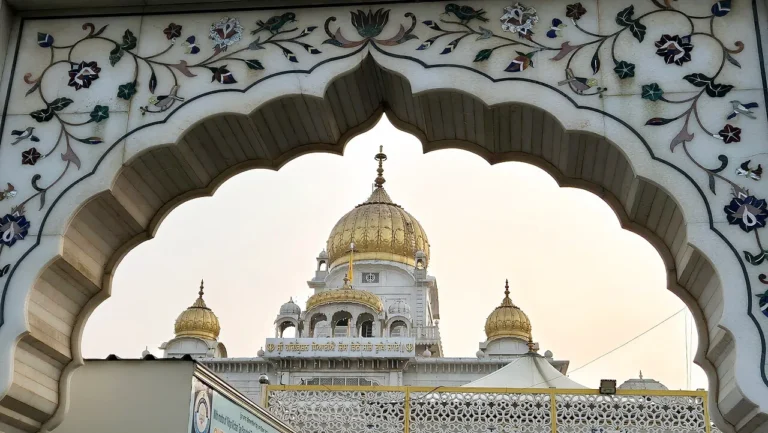
At religious sites, dress modestly and remove your shoes where required. At Jama Masjid, women are usually asked to cover their heads and may be provided with a robe. At gurudwaras such as Bangla Sahib, everyone covers their head, and scarves are available at the entrance.
Travelling onward from Delhi
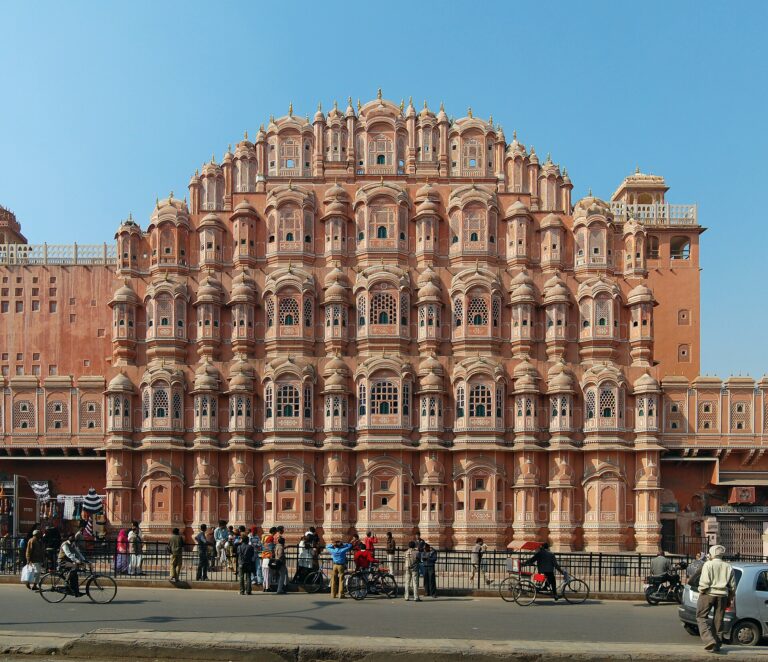
Many solo women continue from Delhi to Agra, Jaipur, Varanasi or elsewhere. Trains are a popular and generally comfortable way to travel; choose air-conditioned classes, book in advance, and keep your bags close at busy stations. On overnight trains, upper berths offer a little more privacy. For shorter trips, a reputable car and driver arranged through your hotel or a trusted company is a comfortable alternative. I’ve compared the options in Delhi to Agra by train or car and Delhi to Jaipur by train or car.
Health and wellbeing
Travelling alone can be tiring, and India’s intensity can make it more so. Plan a gentle first day, don’t overload your schedule, and take time to rest. Drink bottled or filtered water, be careful with food in the first few days, and carry a small first-aid kit. If you feel unwell, your hotel can usually recommend a doctor, and Delhi has excellent private hospitals. Good travel insurance with medical cover is essential.
It’s also completely normal to have days when the attention and noise feel like too much. On those days, a quiet café, a park, a museum or a few hours in your hotel can help you reset.
Does a guide help?
For many solo women, having a guide for the first day or two makes a significant difference. With a local guide beside you, much of the unwanted attention simply doesn’t happen, you learn quickly how the city works, and you build the confidence to explore on your own afterwards. A guide can also take you to areas and experiences that might feel daunting alone, such as the lanes of Old Delhi.
I work as a private tour guide across India, and if you’d rather plan everything yourself, I’m happy to go through your plans on an India trip planning call. For a wider view of safety in India, see is India safe for tourists, and for common tricks to watch out for, see Delhi tourist scams.
Delhi for solo women: questions people ask me
Is Delhi safe for a woman travelling alone?
Many women travel solo in Delhi without serious problems. Expect staring and some unwanted attention, take sensible precautions, and you’ll usually be fine.
What is the safest way for women to get around Delhi?
The Delhi Metro, using the women-only coach, and app-based taxis such as Uber or Ola, especially at night.
What should solo women wear in Delhi?
Loose clothing that covers your shoulders and knees, plus a large scarf. It noticeably reduces unwanted attention.
Is it safe to go out at night in Delhi as a woman?
In busy, well-lit areas, generally yes. Avoid quiet streets late at night and take an app-based taxi back to your hotel.
What emergency numbers should I save in Delhi?
112 for all emergencies, and 1091 for the Delhi Police women’s helpline.
Should I hire a guide as a solo woman in Delhi?
Many women find a guide helpful for the first day or two, after which they feel more confident exploring alone.
If you’re planning a solo trip and have questions, message me on WhatsApp.

About the author
Ashish
Ashish is a Delhi-based tour guide, certified by India’s Ministry of Tourism under the Incredible India Tourist Guide (IITG) programme. He lives in Delhi, guides visitors from abroad in person, and writes practical, honest advice to help first-time travellers plan their trip to India.