How Many Days for the Golden Triangle? A Delhi Guide’s Honest Answer
For most travellers, the ideal amount of time for the Golden Triangle of Delhi, Agra and Jaipur is six to seven days. That gives you two nights in Delhi, one or two in Agra and two in Jaipur, plus time for the journeys between them. Five days is workable if you don’t mind a quicker pace, and four is possible, though it involves long days and real compromises. If you have more than a week, the Golden Triangle extends naturally into the rest of Rajasthan or to Varanasi.
I’m Ashish, a licensed tour guide based in Delhi. The Golden Triangle is the route most first-time visitors ask me about, and how many days to give it is almost always their first question. This guide explains how I’d divide your time, why, and what changes the answer.
What is the Golden Triangle?
The Golden Triangle is the name given to the classic circuit linking Delhi, Agra and Jaipur. On a map, the three cities form a rough triangle in north India, each a few hours from the others. Together they offer a remarkable introduction to the country.
Delhi is India’s capital, a vast city with more than a thousand years of history. It combines the narrow lanes, bazaars and mosques of Old Delhi with grand Mughal tombs, colonial-era avenues and modern neighbourhoods.
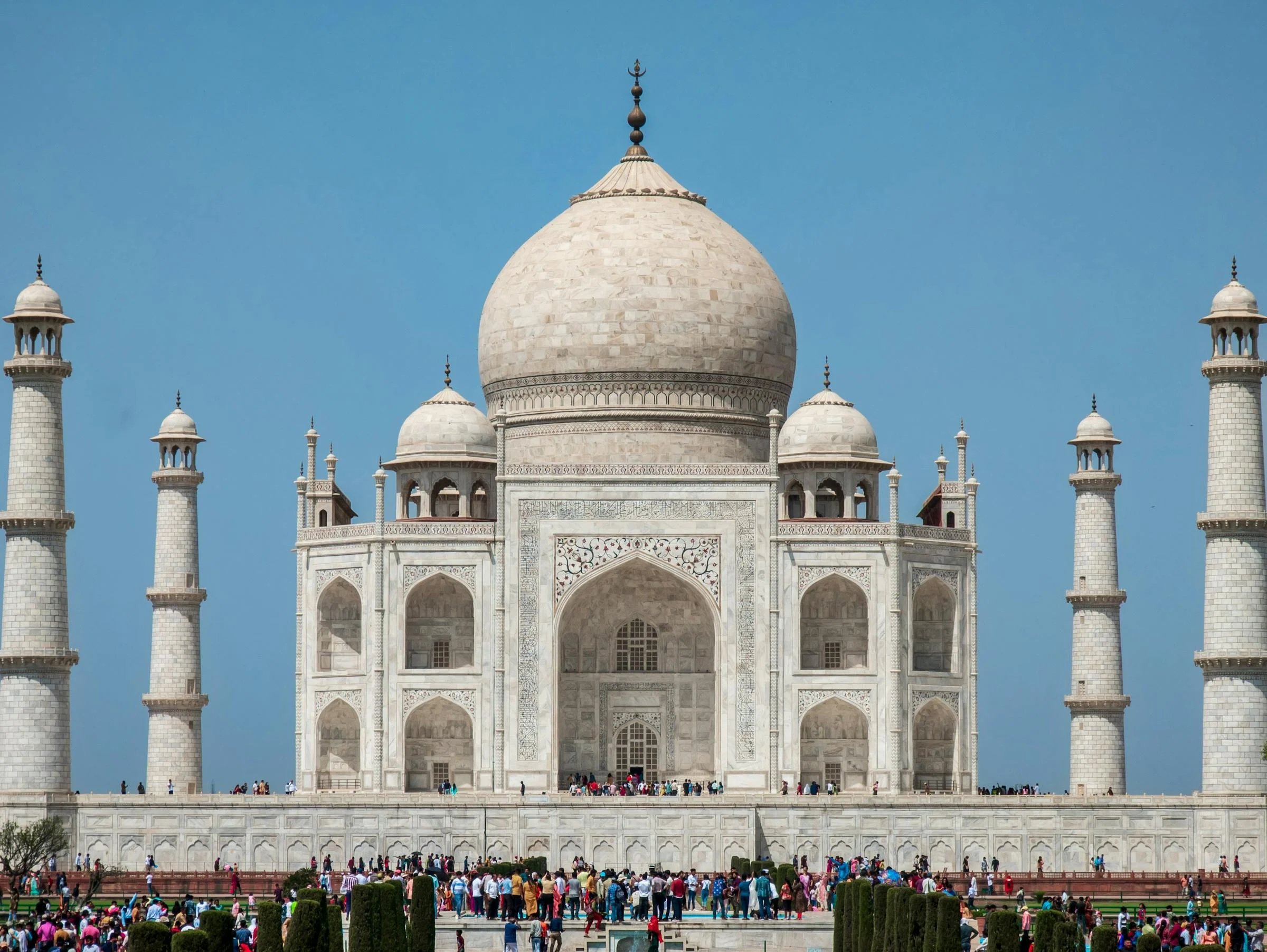
Agra is home to the Taj Mahal, one of the most famous buildings in the world, along with Agra Fort and several other remarkable Mughal monuments.
Jaipur, the capital of Rajasthan, is known as the Pink City for the terracotta colour of its old town. It’s famous for Amber Fort, the City Palace and the honeycombed façade of the Hawa Mahal.
The route is popular because it packs an extraordinary range of history, architecture and atmosphere into a manageable distance, with good road and rail connections between the cities.
Why the number of days matters so much
The three cities look close together on a map, but travel between them takes longer than people expect.
Delhi to Agra takes around an hour and forty minutes on the fastest trains, or three and a half to four hours by car. Agra to Jaipur is a four to five hour drive. Jaipur back to Delhi takes around four to four and a half hours by the fastest trains, or five to six hours by road. Add checking out of hotels, getting to stations, traffic in and out of each city and a stop for lunch, and every travel day uses up half your sightseeing time.
That’s why the useful way to think about the Golden Triangle isn’t “how many days in total” but “how many full days will I actually spend in each place”. That’s the number that decides whether you enjoy the trip or spend it in transit. I’ve compared the transport options in detail in Delhi to Agra by train or car and Delhi to Jaipur by train or car.
Seven days: the version I recommend for most people
With a week, each city gets the time it deserves.
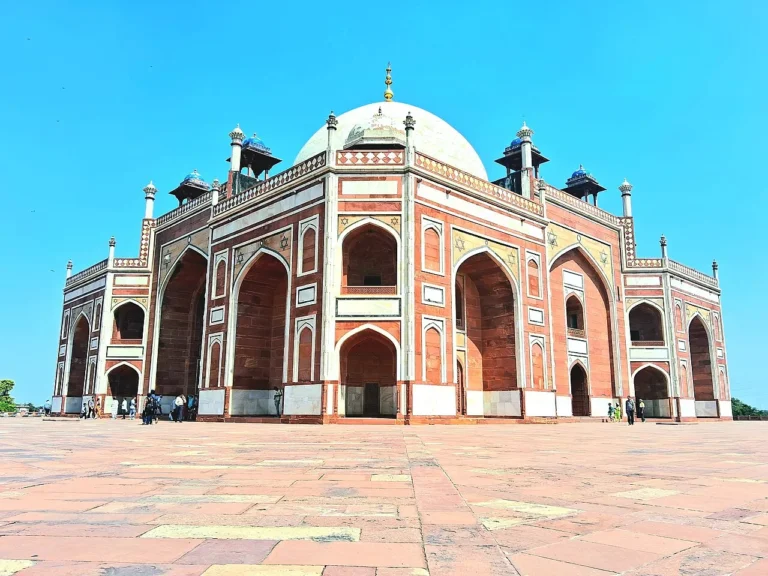
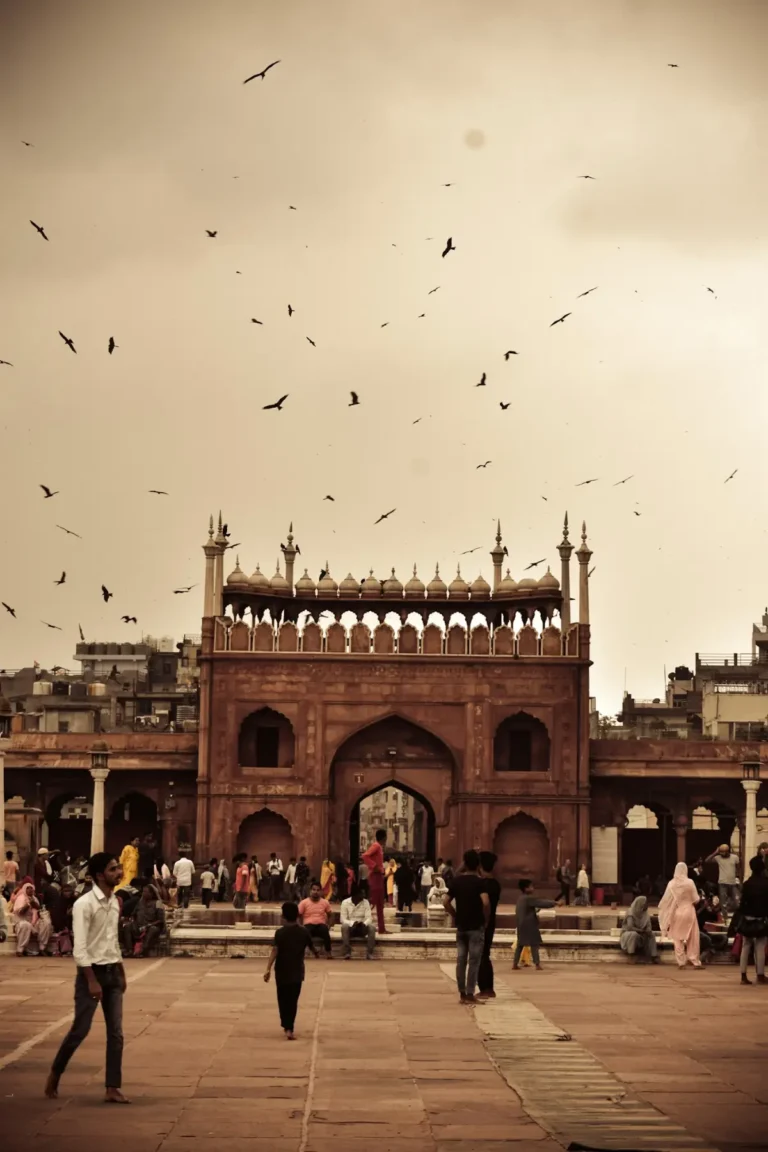
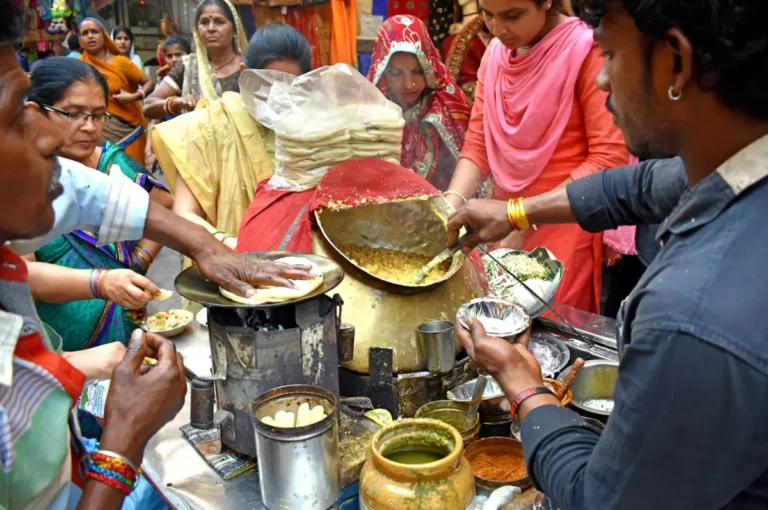
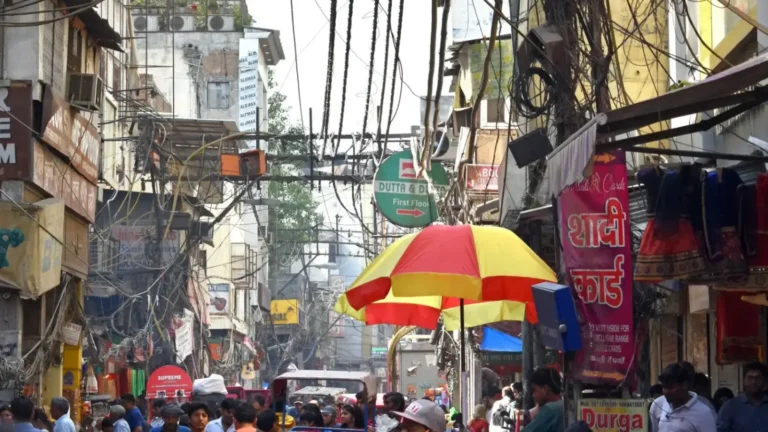
Delhi: two full days. Delhi is really several cities in one. With two days, you can explore Old Delhi on one day, with its lanes, the great Jama Masjid mosque, the Red Fort and the spice market, and spend the second day in New Delhi and the south of the city, with Humayun’s Tomb, the Qutub Minar, India Gate and the leafy colonial avenues. My guide on how many days in Delhi explains this in more detail.
Agra: one night. Staying overnight means you can see the Taj Mahal at sunrise, when the marble turns from grey to soft pink to white and there are far fewer visitors. It also gives you time for Agra Fort and, if you wish, the smaller monuments across the river. See the Taj Mahal at sunrise for tickets and timings.
Jaipur: two nights. Jaipur’s sights are spread out, and the forts on the hills outside the city take time to explore. Two nights let you see Amber Fort in the morning before the heat, wander the old city’s bazaars, visit the City Palace and the Jantar Mantar observatory, and enjoy an evening without rushing.
A spare half-day. A seven-day plan leaves a little room for jet lag at the start, a delayed train, or simply a slow morning. That buffer makes a surprising difference to how relaxed the trip feels.
With seven days, people come home feeling they’ve really seen these places rather than just passed through them.
Five or six days: workable with a few compromises
Many travellers have five or six days, and the Golden Triangle works well in that time. The main thing you give up is breathing space.
With five or six days, Delhi usually gets one full day rather than two, which means choosing between the old city and the newer monuments, or seeing a faster version of both. Agra gets one night or a long day trip. Jaipur gets one full day, enough for Amber Fort and the old city.
If you only have five days, the one thing I’d protect is the overnight stay in Agra. A same-day return trip from Delhi involves around seven or eight hours of travel for a few hours of sightseeing, and it’s usually the most tiring day of the trip. Staying the night gives you the Taj at sunrise and a much calmer experience.
Four days or fewer
The Golden Triangle can be done in four days, and some travellers with a stopover or a business trip do it. It means one main day in each city and travelling early in the morning or in the evening.
I’d only recommend it if seeing all three cities matters more to you than seeing any of them well. If you’re short on time, consider an alternative: drop Jaipur and spend two days each in Delhi and Agra. Two cities seen properly almost always beats three cities glimpsed through a car window.
More than a week: extending the route
If you have ten days or more, the Golden Triangle is an excellent starting point for a longer trip.
Further into Rajasthan. From Jaipur, it’s natural to continue to Udaipur, with its lakes and palaces, Jodhpur, beneath the vast Mehrangarh Fort, or Jaisalmer, in the Thar Desert. I’ve written about this in Rajasthan with a private guide.
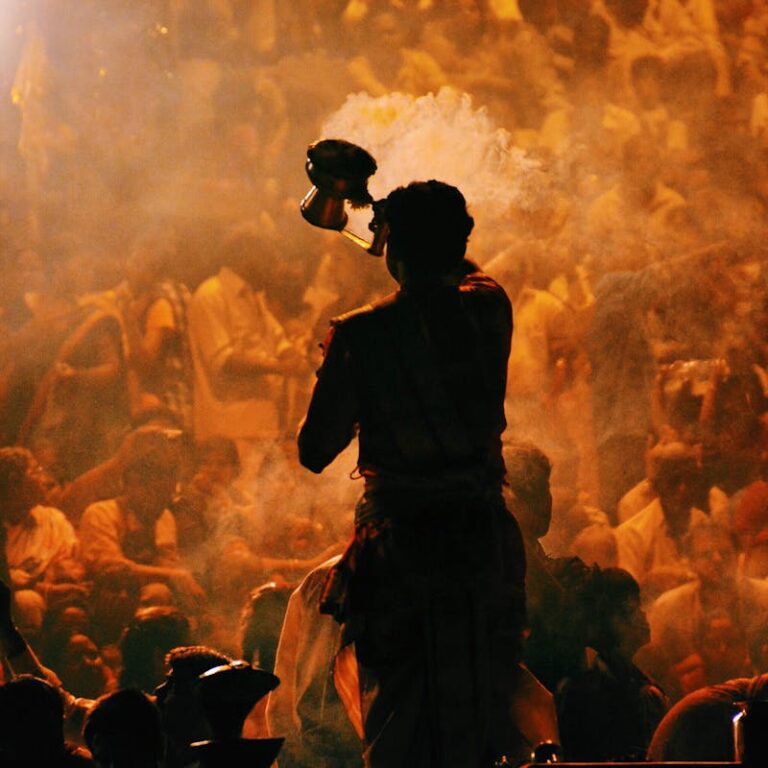
Varanasi. About an hour and a half by air from Delhi, Varanasi is India’s holiest city and one of its most intense experiences, with dawn boat rides on the Ganges and evening ceremonies on the ghats. See Varanasi for first-timers.
Somewhere to relax. After the busy north, many travellers fly south to Kerala or Goa for a slower, greener finish. My shortlist of the best places to visit in India for first-timers covers the options.
The order of the route
Most visitors fly into Delhi, so the usual order is Delhi, then Agra, then Jaipur, then back to Delhi for the flight home. You can also go Delhi, Jaipur, Agra, Delhi. Both work. The main considerations are opening days and transport.
Some people prefer to split their Delhi time, spending a day at the start and another at the end. This works well: you arrive, get your bearings, see the other cities, and return to Delhi with fresh eyes before you fly home.
Things that can disrupt your plans
A few local details catch travellers out every season.
The Taj Mahal is closed on Fridays. It’s closed to visitors every Friday, so plan your Agra day accordingly.
The Red Fort closes on Mondays, and many Delhi markets close on Sundays.
Winter fog. From mid-December to mid-January, dense morning fog in north India can delay trains and flights by hours. Avoid tight morning connections during this period.
November air quality. Delhi’s air is often at its worst in November. It’s not a reason to avoid the trip, but it’s worth knowing about. I’ve explained it in visiting Delhi in November, including the new vehicle entry rules that apply from 1 November 2026 to 31 January 2027.
Festivals. Diwali, Holi and the Christmas and New Year period are busy, with higher prices and fuller trains. Book well ahead if your dates coincide.
Car or train between the cities?
Both work well, and many travellers combine them.
A private car with a driver for the whole circuit is the most comfortable option for families, groups and anyone with lots of luggage. You travel door to door and can stop when you like.
Trains are faster between Delhi and Agra and between Jaipur and Delhi, and good value for one or two travellers. You’ll need to book ahead in peak season and arrange taxis at each end.
A popular combination is the train from Delhi to Agra, a car from Agra to Jaipur (there’s no fast direct train on that leg), and the train from Jaipur back to Delhi. If you choose a car for any part of the trip, confirm in advance what the price includes, such as tolls, parking, fuel and the driver’s allowance, and make sure the vehicle is air-conditioned and in good condition. For the train legs, book through IRCTC, the official Indian Railways website, as early as possible in peak season.
How long the main sights actually take
Knowing roughly how long each major sight takes helps you judge whether your plan is realistic. These are comfortable visit times, not counting travel.
In Delhi, Old Delhi’s lanes, Jama Masjid and the spice market take a good half-day on foot. The Red Fort needs around one and a half to two hours. Humayun’s Tomb, with its gardens, takes about an hour and a half, and the Qutub Minar complex about the same. Add travel between them, because Delhi’s sights are spread across a very large city.
In Agra, the Taj Mahal deserves two to three hours, especially if you arrive at sunrise and want time in the gardens. Agra Fort needs one and a half to two hours. Mehtab Bagh, across the river, takes less than an hour and is best at sunset.
In Jaipur, Amber Fort takes two to three hours, and it’s best visited in the morning, before the heat and the crowds. The City Palace and the Jantar Mantar observatory, next to each other in the old city, take two to three hours together. The Hawa Mahal can be seen from the street in a few minutes, or explored inside in under an hour. Leave time for the bazaars, which are one of Jaipur’s great pleasures, especially in the late afternoon.
Seen this way, it becomes clear why two days in Delhi and Jaipur, and a night in Agra, make such a difference.
Where to stay in each city
Choosing the right area saves a lot of time in traffic.
Delhi. Central areas around Connaught Place are convenient for the metro and for reaching both Old and New Delhi. South Delhi neighbourhoods are greener and quieter, with good restaurants, though a little further from the old city. Many visitors also stay near the airport on their final night if they have an early flight.
Agra. Stay within easy reach of the Taj Mahal’s east or west gate, so a sunrise visit is a short trip rather than a long drive. The area near the east gate is generally calmer.
Jaipur. Hotels in and around the old city and the central districts put you close to the City Palace and bazaars. Some heritage hotels, converted from old havelis and palaces, are an experience in themselves.
Do you need a guide on the Golden Triangle?
You can certainly do the Golden Triangle independently. Many travellers do, and the main sights are well signposted. A guide helps in a few specific ways, though.
The monuments are full of stories that aren’t obvious from the stones themselves: why the Taj Mahal was built, how Agra Fort became a prison for the emperor who built the Taj, how the Rajput kings of Jaipur built their forts and palaces. A good guide turns beautiful buildings into a history you can follow.
A guide also handles the practical side: tickets, queues, finding the right entrance, avoiding the people who try to mislead visitors, and adjusting the day if the weather, fog or your energy changes the plan. On a first visit to India, especially in Delhi, that support can make the difference between a stressful day and an enjoyable one. My comparison of India tour packages and private guides explains the different ways to travel.
Travelling with children or older parents
If you’re travelling with young children or elderly parents, add at least one extra day to whatever you’d plan for yourself. The distances and the heat are tiring, and a slower pace makes the whole trip more enjoyable for everyone.
A private car with a driver is usually the most comfortable way to travel between the cities, because it avoids station stairs and crowded platforms, and you can stop whenever someone needs a break. Plan one main sight in the morning, a long lunch and a rest, and something gentle in the late afternoon. Many monuments have flat garden paths even where the main buildings involve steps, and some can provide a wheelchair if you ask in advance.
I’ve written separate guides on India with kids and travelling India with elderly parents, with more detail on pacing, health and transport.
When to go
October to March is the most comfortable time for the Golden Triangle, with late February and March often the most pleasant. April to June is very hot, and July to September is the monsoon. I’ve gone through each month in the best time to visit Delhi, which applies closely to Agra and Jaipur too.
Want help planning your Golden Triangle trip?
Every trip is a little different, depending on your dates, who’s travelling, your arrival and departure cities and what you most want to see. If you’d like a local to look at your plan and suggest how to divide your days, my India trip planning calls are designed for exactly that. And if you’d like a guide with you along the way, I work as a private tour guide across India.
Golden Triangle: questions people ask me
Is five days enough for the Golden Triangle?
Yes, if you stay one night in Agra and accept one full day in each city. Six or seven days is more relaxed and lets you see each place properly.
Can I visit Agra as a day trip from Delhi?
Yes, but it’s a long day with several hours of travel. Staying one night lets you see the Taj Mahal at sunrise and explore Agra at a calmer pace.
Which city needs the most time?
Usually Delhi. It’s a very large city with two quite different halves, and it’s often where you’ll be recovering from jet lag.
What day is the Taj Mahal closed?
The Taj Mahal is closed to visitors every Friday.
Is it better to travel the Golden Triangle by car or by train?
A car is most comfortable for families and groups; trains are faster on some legs and good value for one or two people. Many travellers combine both.
When is the best time to do the Golden Triangle?
October to March, with late February and March often the most pleasant. Avoid May and June if you don’t like intense heat.
If you have your dates and would like a local to check your plan, message me on WhatsApp or book a planning call.

About the author
Ashish
Ashish is a Delhi-based tour guide, certified by India’s Ministry of Tourism under the Incredible India Tourist Guide (IITG) programme. He lives in Delhi, guides visitors from abroad in person, and writes practical, honest advice to help first-time travellers plan their trip to India.
3 Comments