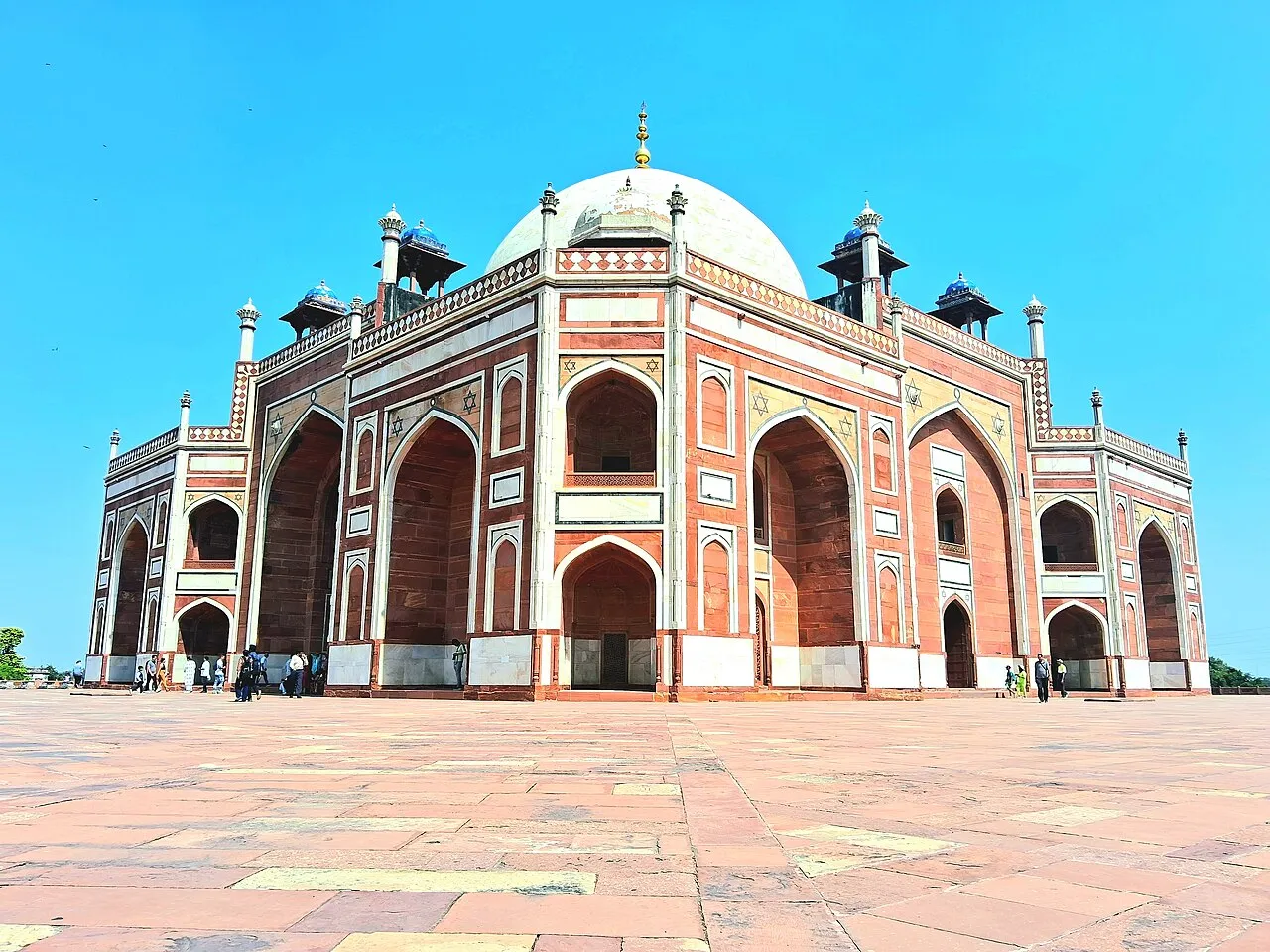
Best Time to Visit Delhi: A Month-by-Month Guide From a Local
The best time to visit Delhi is from mid-October to March, when the weather is warm and sunny during the day and comfortable for sightseeing. Within that period, February, March and the second half of October are often the most pleasant months, with clear skies, mild temperatures and fewer weather problems. November brings lovely weather but often poor air quality. December and January are cold, especially at night and in the early morning, with frequent fog. April to June is extremely hot, and July to September is the monsoon season, with rain and humidity.
I’m Ashish, a licensed tour guide based in Delhi, and I live here throughout the year. The month you choose affects almost everything about your visit, from how much sightseeing you can comfortably do to what you should pack. This guide goes through Delhi’s seasons month by month, so you can choose the time that suits you best.
Delhi’s seasons at a glance
Winter (December to February). Cool to cold, especially at night and early morning, with sunny afternoons. Fog is common from mid-December to mid-January. Air quality can be poor.
Spring (late February to March). Warm, sunny and pleasant. Often considered the best time to visit.
Summer (April to June). Very hot, often over 40°C, especially in May and June.
Monsoon (July to September). Hot and humid, with heavy rain at times.
Autumn (October to November). Warm days and cool evenings, with festivals. Air quality often worsens from late October and through November.
The temperatures below are typical ranges rather than guarantees, and every year is a little different, so check the forecast closer to your trip.
January
January is Delhi’s coldest month. Daytime temperatures are usually in the high teens to low twenties Celsius, often with bright, sunny afternoons, but nights and early mornings can fall to a few degrees above freezing. Many buildings aren’t well heated, so warm clothing is essential.
Dense fog is common in the mornings, especially in the first half of the month, and can delay flights and trains for hours. Air quality can also be poor.
Good for: travellers who enjoy cool weather and don’t mind cold mornings.
Plan for: warm layers, flexible mornings and buffer time for fog delays.
February
February is one of the best months to visit Delhi. Days become warmer and sunnier, usually in the low to mid-twenties Celsius, while nights remain cool. Fog becomes less frequent, and air quality generally improves. Gardens begin to bloom, and it’s comfortable to spend long days outdoors. The gardens of Rashtrapati Bhavan, the presidential estate, usually open to the public for a few weeks around February and March, when the flowers are at their best; check the official website for dates.
Good for: almost everyone, including first-time visitors, families and older travellers.
Plan for: light layers for cool mornings and evenings.
March
March is warm, bright and pleasant, with daytime temperatures typically in the high twenties to low thirties Celsius by the end of the month. It’s one of the most comfortable months for sightseeing. Holi, the festival of colours, usually falls in March; in 2027 it’s on 22 March. See Holi 2027 in India.
Good for: sightseeing, festivals, photography and comfortable walking in Old Delhi.
Plan for: sun protection, as it starts to get warm in the afternoons.
April
April marks the beginning of the hot season. Temperatures rise steadily, often reaching the mid to high thirties Celsius, and sometimes higher by the end of the month. Mornings and evenings are still manageable, but the afternoons are hot. Early April can still be quite pleasant, especially for early-morning sightseeing.
Good for: travellers on a budget, as prices begin to fall, and those comfortable with heat.
Plan for: early starts, afternoon rest and plenty of water.
May
May is one of Delhi’s hottest months, with temperatures frequently above 40°C and occasionally much higher. Hot, dry winds can blow in the afternoons. Sightseeing is best limited to early mornings and evenings.
Good for: travellers who don’t mind extreme heat and want lower prices and fewer tourists.
Plan for: very early sightseeing, rest during the day, and careful attention to hydration and heat exhaustion.
June
June is also very hot, especially in the first half of the month. The monsoon usually reaches Delhi towards the end of June or in early July, bringing humidity and occasional storms before the rains arrive.
Good for: budget travellers who are comfortable with heat.
Plan for: the same precautions as May.
July
July is the heart of the monsoon. Temperatures are lower than in May and June, but humidity is high. Heavy rain can cause flooding and traffic disruption, but it often falls in bursts, with dry spells between showers. The city becomes greener, and parks such as Lodhi Garden are especially lush.
Good for: travellers who enjoy the monsoon atmosphere and lower prices.
Plan for: an umbrella, quick-drying clothes and flexible plans.
August
August is similar to July, with rain, humidity and green surroundings. Independence Day on 15 August is a major national holiday, with celebrations and heightened security around the Red Fort.
Good for: travellers who don’t mind rain.
Plan for: waterproof bags, insect repellent and possible travel delays.
September
The monsoon begins to retreat during September, and rain becomes less frequent towards the end of the month. It remains warm and humid, but conditions gradually improve.
Good for: travellers looking for shoulder-season prices.
Plan for: warm, humid weather and occasional showers.
October
October is a pleasant month, especially in the second half, when the humidity falls and the weather becomes warm and dry. Days are in the low thirties Celsius early in the month and cooler later on. The festival season begins, with celebrations such as Dussehra, and in some years Diwali. Air quality often starts to worsen towards the end of the month.
Good for: sightseeing, festivals and comfortable weather.
Plan for: checking air quality in late October.
November
November has lovely weather, with warm, sunny days and cool evenings. However, it’s usually the month with Delhi’s worst air quality, which can affect comfort and health, particularly for sensitive travellers. Festivals such as Diwali, Chhath Puja and Guru Nanak Jayanti may fall in or around November, depending on the year. I’ve written a detailed guide to visiting Delhi in November.
Good for: healthy travellers who don’t mind taking precautions against pollution.
Plan for: good-quality masks, daily air quality checks and flexible plans.
December
December is cool to cold, with sunny afternoons and chilly mornings and nights. Fog becomes common in the second half of the month, affecting flights and trains. Christmas and New Year are the busiest and most expensive time to travel in India. See Christmas and New Year in India.
Good for: festive atmosphere and cool weather.
Plan for: warm clothes, early bookings and fog delays.
National holidays and events to plan around
A few national events affect sightseeing and travel in Delhi.
Republic Day, 26 January. India’s Republic Day parade takes place on Kartavya Path in central Delhi. In the days before and after, roads around India Gate and central Delhi are closed for rehearsals and security, and some monuments may close or have restricted access. The Beating Retreat ceremony follows on 29 January. If you’re in Delhi in late January, the parade is a memorable spectacle, but plan sightseeing around the closures.
Independence Day, 15 August. The Prime Minister addresses the nation from the Red Fort, and security is very tight around the fort and Old Delhi in the days leading up to it.
Gandhi Jayanti, 2 October. A national holiday marking the birth of Mahatma Gandhi. Some businesses close, and Raj Ghat, Gandhi’s memorial, sees many visitors.
Festivals. Holi in March, Dussehra and Diwali in autumn, and Eid, whose dates move through the year, bring celebrations and crowds, and sometimes closures of businesses.
Crowds and prices through the year
The peak tourist season in Delhi runs from October to March, with the busiest and most expensive period around Christmas and New Year. Hotels and popular trains fill quickly, and prices are at their highest. Booking early makes a big difference.
The shoulder months, such as late September, early October, late February and March, often offer the best balance of good weather and reasonable prices.
From April to September, there are fewer international tourists, and hotel prices are often significantly lower. Monuments are less crowded, though domestic tourism remains busy during school holidays in May and June. If you’re comfortable with heat or rain, this can be a good time to visit on a budget.
Daylight hours
Day length changes noticeably through the year. In midwinter, the sun rises around 7 a.m. and sets before 5:30 p.m., so days are short, and it’s worth starting sightseeing early. In summer, the sun rises before 6 a.m. and sets after 7 p.m., which gives long evenings but very hot afternoons. Most monuments open around sunrise and close around sunset, so day length affects how much you can fit into a day.
How the weather affects your plans
The season shapes not just your comfort but your whole itinerary. In the cooler months, you can comfortably spend full days outdoors, combining monuments, markets and walking tours. In summer, it’s better to plan one or two outdoor sights early in the morning, rest indoors during the hottest hours, and go out again in the evening. During the monsoon, keep plans flexible and have indoor alternatives, such as museums and galleries, ready for heavy rain. In winter, expect slower starts on foggy mornings and plan flights and trains with buffer time.
It’s also worth considering what you want to wear and pack. My guides to what to wear in Delhi and the India packing list by season explain what to bring for each time of year.
The best months by type of traveller
First-time visitors: February, March and late October offer the most comfortable conditions.
Families with children: February, March and October. Avoid the summer heat. See India with kids.
Older travellers: February, March and October, avoiding the cold, fog and air quality issues of winter. See travelling India with elderly parents.
Travellers sensitive to air pollution: February to April, or September and early October.
Budget travellers: April to September, when prices are lower, if you can cope with heat or rain.
Festival lovers: October and November for Dussehra, Diwali and other festivals, and March for Holi.
Photographers: February and March for clear skies and soft light.
Understanding Delhi’s winter fog
Fog deserves a special mention, because it’s the weather issue that most often disrupts travellers’ plans. From roughly mid-December to mid-January, cold, still nights cause dense fog to form across the plains of north India. On the worst mornings, visibility can drop to a few metres. Flights may be delayed, diverted or cancelled, and trains can run several hours late. The fog usually lifts by late morning, revealing a sunny afternoon.
If you’re travelling during this period, avoid booking early-morning flights or trains where possible, don’t plan tight connections, especially with international flights, and leave a buffer day before your flight home. Sightseeing is usually fine from late morning onwards.
Monsoon travel tips
The monsoon has its own appeal. The heat breaks, gardens turn green, and the city feels fresher after a downpour. Many Indian families love the monsoon season, and street-food stalls serve hot pakoras and chai to enjoy in the rain. If you visit during the monsoon, be prepared for sudden heavy showers, waterlogged roads and traffic delays. Carry an umbrella, wear shoes with good grip, keep your phone in a waterproof bag, and use plenty of insect repellent, as mosquito numbers rise.
Summer travel tips
Visiting Delhi in summer is possible with careful planning. Start sightseeing as early as possible, ideally soon after sunrise, and return to your hotel before the hottest part of the day. Wear loose, light-coloured cotton or linen clothing that covers your skin, a wide-brimmed hat and sunscreen, and drink plenty of water. Oral rehydration salts help replace minerals lost through sweating. Learn the signs of heat exhaustion, such as dizziness, headache and nausea, and rest in a cool place if you feel unwell.
The Golden Triangle and beyond
If you’re combining Delhi with Agra and Jaipur, the same seasons apply broadly across the Golden Triangle. Rajasthan is excellent from October to March, though desert nights can be cold in winter. Kerala and Goa are best from November to February. The Himalayas are best visited in summer. I’ve explained route planning in how many days the Golden Triangle needs and the best places to visit in India for first-timers.
Want help choosing your dates?
If you’re deciding when to visit and would like advice based on your plans, my India trip planning calls are designed for exactly that. And if you’d like a guide in Delhi, I work as a private tour guide across India.
Best time to visit Delhi: questions people ask me
What is the best month to visit Delhi?
February and March are often the best, with pleasant temperatures, clear skies and fewer weather problems. Late October is also very good.
What is the worst time to visit Delhi?
May and June are extremely hot. November often has the worst air quality, and late December to mid-January can be cold and foggy.
Is Delhi cold in winter?
Yes. December and January nights and mornings can be close to freezing, though afternoons are usually sunny and pleasant.
When is the monsoon in Delhi?
Usually from late June or early July to September, with the heaviest rain in July and August.
Is it worth visiting Delhi in summer?
It can be, if you’re comfortable with intense heat, sightsee early and late in the day, and want lower prices.
When is Delhi’s air quality worst?
Usually from late October to January, with November often the worst.
If you’d like help choosing the best time for your trip, message me on WhatsApp.

About the author
Ashish
Ashish is a Delhi-based tour guide, certified by India’s Ministry of Tourism under the Incredible India Tourist Guide (IITG) programme. He lives in Delhi, guides visitors from abroad in person, and writes practical, honest advice to help first-time travellers plan their trip to India.
2 Comments