How Many Days in Delhi Do You Really Need? A Local Guide’s Answer
For most first-time visitors, two full days in Delhi is the right amount of time. One day gives you a taste of the city, three days lets you explore at a relaxed pace and see some of the places most visitors miss, and four or more suits people who love cities or want to use Delhi as a base for day trips. If you arrive late at night, don’t count your arrival day as one of your sightseeing days.
I’m Ashish, a licensed tour guide based in Delhi. Many visitors give my city just one rushed day before heading to the Taj Mahal, and many of them later wish they’d stayed longer. Delhi is one of the oldest continuously inhabited cities in the world, with more than a thousand years of history layered across a huge area, and it rewards time. This guide explains how many days you need, why, and what changes the answer.
Why Delhi needs more time than people expect
Delhi isn’t a single compact city centre. It’s a vast metropolis made up of several very different areas, each with its own character and history.
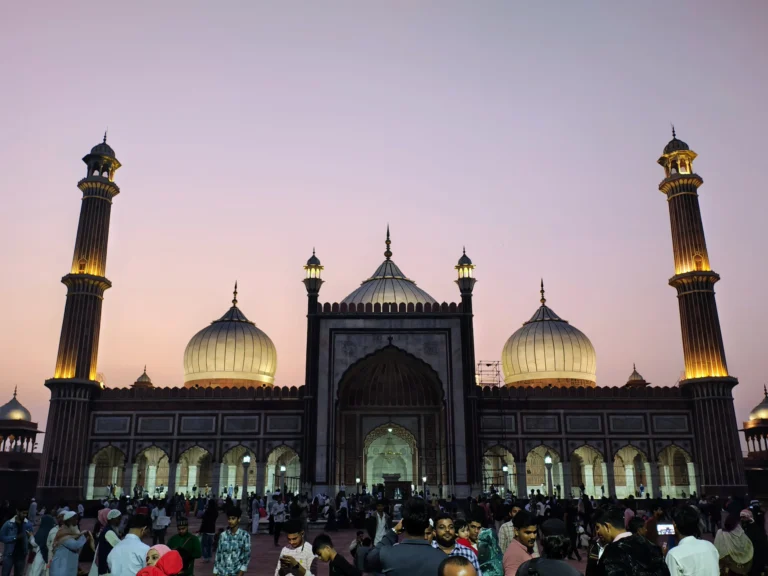
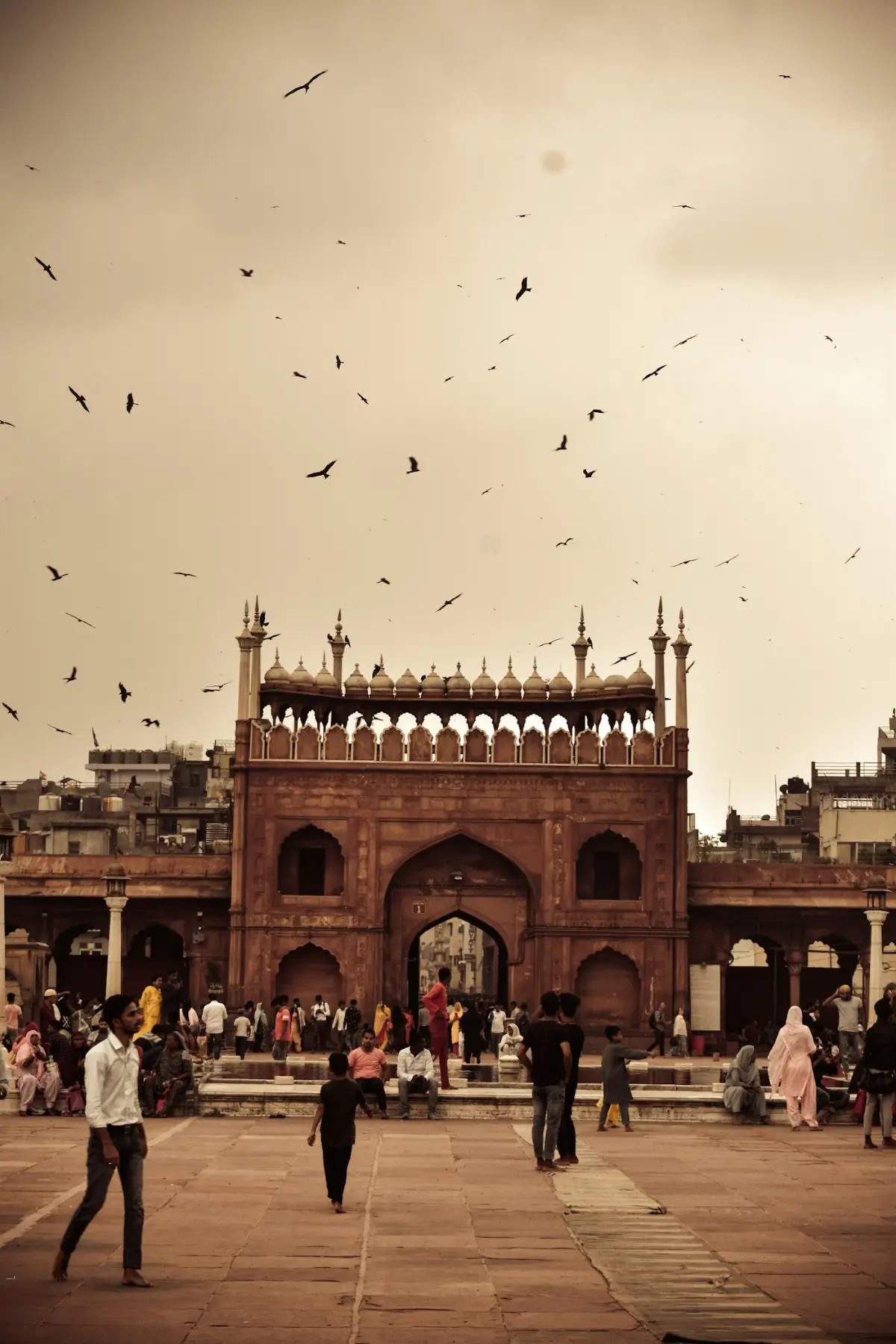
Old Delhi, also known as Shahjahanabad, is the walled city built by the Mughal emperor Shah Jahan in the seventeenth century. It’s a maze of narrow, crowded lanes, bazaars, mosques, temples and havelis, with the great Jama Masjid mosque and the Red Fort at its heart.
New Delhi was built by the British in the early twentieth century as the capital of colonial India. It has wide, tree-lined avenues, grand government buildings designed by Edwin Lutyens and Herbert Baker, India Gate and the presidential palace, Rashtrapati Bhavan.
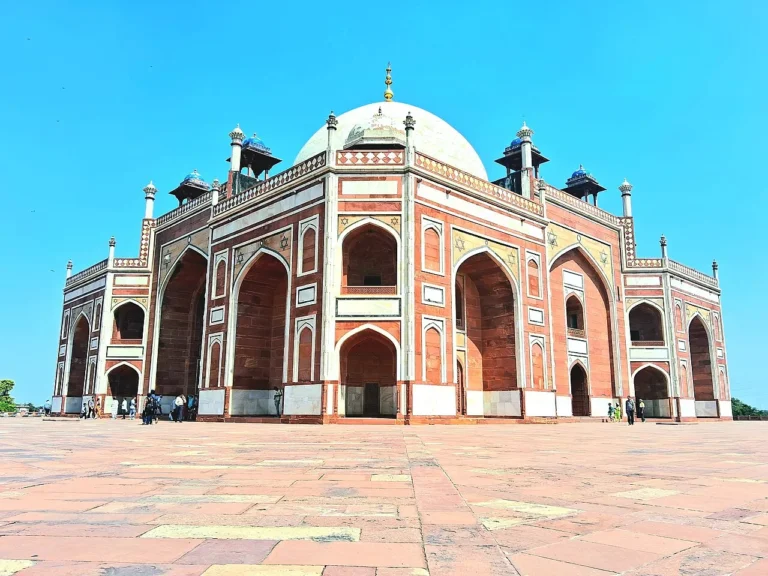
South Delhi contains some of the city’s most remarkable monuments, set among parks and residential neighbourhoods: Humayun’s Tomb, the Qutub Minar complex, Lodhi Garden and the remains of earlier cities built by successive rulers.
These areas are spread across a large distance, and Delhi’s traffic means that moving between them takes time, even on the efficient metro. Trying to see all of them in a single day usually means spending much of it in vehicles.
There’s also jet lag to consider. Most international flights arrive in Delhi late at night or in the early hours, so your first day is often spent recovering. And for many visitors, Delhi is their first experience of India. The noise, crowds and intensity can be a lot to absorb, and most people appreciate a slower start than they’d planned.
One day in Delhi
One day is possible, and it’s better than skipping the city entirely. But it’s not enough to see everything, and trying to do so will leave you exhausted. With one day, I’d recommend choosing one part of Delhi and exploring it properly.
Option 1: Old Delhi. Spend the day in the old walled city, with the Jama Masjid, the lanes of Chandni Chowk, the spice market, and perhaps the Red Fort. It’s intense, atmospheric and unforgettable, and it gives you a real sense of traditional Indian city life, where families have run the same shops and workshops for generations.
Option 2: New Delhi and South Delhi. Spend the day among the monuments and gardens, visiting Humayun’s Tomb, the Qutub Minar, India Gate and the government buildings. It’s calmer, greener and more spacious, and focuses on Delhi’s architectural history, from the Delhi Sultanate and the Mughals to the British Raj.
One day suits travellers on a tight Golden Triangle schedule, those with a long layover, or anyone who accepts that they’re getting a taste of Delhi rather than a full picture.
Two days in Delhi
Two full days is the sweet spot for most first-time visitors. It allows you to experience both sides of the city without rushing.
On one day, you can explore Old Delhi, with its lanes, bazaars, mosque and fort. On the other, you can see the monuments of New Delhi and South Delhi, such as Humayun’s Tomb, the Qutub Minar, India Gate and Lodhi Garden. You’ll have time to stop for a proper meal, sit in a garden or a café, and absorb what you’re seeing, which is a big part of enjoying Delhi.
Two days suits almost everyone on a first trip to India, and it’s what I recommend most often. It’s long enough to feel you’ve really experienced the city, without taking too much time from the rest of your trip.
Three days in Delhi
With three days, you can slow down and explore beyond the main highlights. A third day lets you add places that many visitors miss, such as the National Museum, the Mehrauli Archaeological Park, the Sufi shrine of Hazrat Nizamuddin, where qawwali music is performed on some evenings. You might explore a neighbourhood such as Hauz Khas, with its medieval ruins and lake, or simply take a slower pace.
A third day also gives you a valuable buffer. If fog delays your arrival, if you feel tired after a long flight, or if you’d simply like a quieter day, you won’t lose any of the highlights.
Three days suits travellers who enjoy history and culture, families who need a gentler pace, and anyone who likes to explore without hurrying.
Four days or more
Delhi has enough to keep you busy for four days or longer, especially if you’re interested in history, food and architecture. It’s also a convenient base for day trips. Agra is possible as a long day trip, though I recommend staying overnight there if you can, to see the Taj Mahal at sunrise. If you’re flying home from Delhi, an extra day at the end of your trip is a useful cushion before a long-haul flight, especially in winter, when fog can delay journeys to the airport.
Splitting your time
Many travellers find it works well to split their Delhi days between the start and end of their trip. For example, you might spend one day in Delhi when you arrive, travel on to Agra and Jaipur, and then return to Delhi for another day before your flight home. This gives you time to recover from jet lag at the start and a relaxed final day at the end. Many people find they see Delhi with different eyes after a week or two in India, and enjoy it more the second time. I’ve explained how this fits into a wider trip in how many days the Golden Triangle needs.
Your first day: keep it gentle
Whatever the length of your stay, I recommend making your first day in Delhi a gentle one, especially if you’ve arrived on an overnight flight. Rather than heading straight into the crowded lanes of Old Delhi, start with somewhere calm and spacious, such as Humayun’s Tomb or Lodhi Garden, where you can adjust to the warmth, the sounds and the pace of the city. Eat a simple meal, drink plenty of water and get an early night. You’ll enjoy the busier parts of Delhi far more once you’ve slept and found your feet. My guide to arriving at Delhi airport covers the first few hours in detail.
Common mistakes when planning Delhi
Trying to see everything in one day. Delhi is too large and too busy. You’ll spend most of the day in traffic and see little properly.
Ignoring opening days. Arriving at the Red Fort on a Monday or planning a market visit on a Sunday is a common and avoidable disappointment.
Underestimating travel time. A journey of a few kilometres on the map can take an hour at rush hour. Group sights that are close together.
Not planning for the heat or the fog. In summer, start early and rest in the afternoon. In winter, keep mornings flexible.
Skipping Old Delhi out of nervousness. It can feel overwhelming, but it’s one of the most rewarding parts of the city. Visiting with a guide makes it much easier.
Factors that change the answer
The day of the week
Some of Delhi’s sights close on particular days. The Red Fort is closed on Mondays, as are some other monuments and museums. Many of Delhi’s markets, including parts of Chandni Chowk, close or are much quieter on Sundays. If your Delhi days fall on these days, you may need an extra day to see everything you want to.
The time of year
The season makes a big difference. From October to March, the weather is pleasant and you can sightsee comfortably all day, though winter mornings can be cold and foggy. From April to June, temperatures often exceed 40°C, so sightseeing is limited to early mornings and evenings, and you’ll need more days to see the same amount. During the monsoon, from July to September, rain can interrupt plans. In November, Delhi’s air quality is often poor, which can make long days outdoors tiring. I’ve gone through each month in the best time to visit Delhi and covered November in detail in visiting Delhi in November.
Your travel style
If you like to see a lot quickly, two days may be enough. If you prefer to linger, enjoy long meals and explore neighbourhoods, three or four days will suit you better. Families with young children and travellers with older parents usually need more time, as a slower pace makes the city much more enjoyable. I’ve written more about this in India with kids and travelling India with elderly parents.
Whether you have a guide
With a local guide, you’ll spend less time navigating, queuing for tickets, finding entrances and negotiating transport, so you can see more in the same amount of time, with less stress. That’s one of the main reasons visitors hire a guide in Delhi.
How long Delhi’s main sights take
Knowing roughly how long each sight takes helps you plan realistically. These are comfortable visit times, not including travel.
Old Delhi’s lanes, Jama Masjid and the spice market: half a day on foot.
The Red Fort: around one and a half to two hours.
Humayun’s Tomb and its gardens: about one and a half hours.
The Qutub Minar complex: about one to one and a half hours.
India Gate and the government buildings: about an hour, often seen from the car or on a short walk.
Lodhi Garden: as long as you like, from a short stroll to a relaxed afternoon.
The National Museum: two hours or more, depending on your interest.
Food in Delhi
Delhi is one of India’s great food cities, and eating well is a big part of any visit. Old Delhi is famous for its street food and historic eateries, from parathas fried in ghee to kebabs, chaat, jalebis and rich Mughlai curries. Elsewhere in the city, you’ll find excellent restaurants serving food from every region of India, as well as international cuisine. Allow time in your plans for long meals, as some of the most memorable experiences in Delhi happen at the table. If you’re nervous about street food, my street food guide explains how to eat safely, and I also run a small Chandni Chowk food walk for those who’d like a local to show them around.
Evenings in Delhi
Delhi has plenty to do after dark. You can watch the sunset at Humayun’s Tomb or Lodhi Garden, see India Gate lit up at night, listen to qawwali at the Nizamuddin shrine on certain evenings, or enjoy dinner in one of the city’s many restaurants. Connaught Place, Khan Market and Hauz Khas have lively evening atmospheres, with cafés and bars. Some monuments, including the Red Fort, host light and sound shows in the evening. If you’re out late, use an app-based taxi to return to your hotel.
Day trips from Delhi
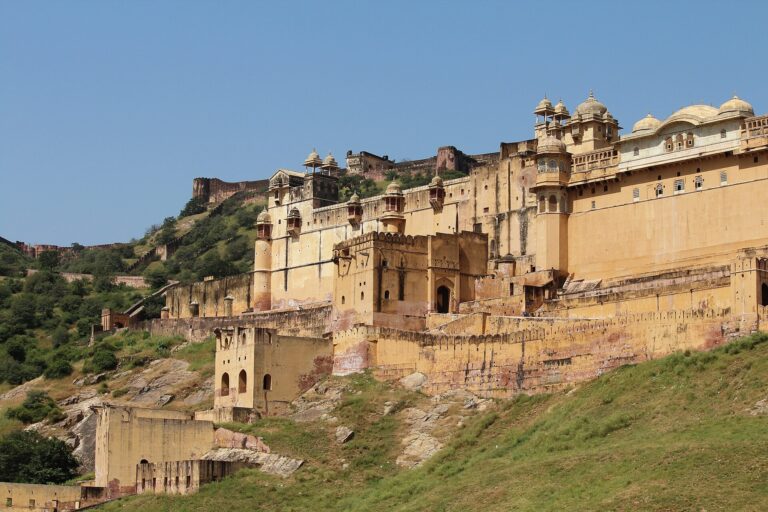
If you have extra time, several places can be visited on a day trip from Delhi. Agra and the Taj Mahal are the most popular, though an overnight stay is more comfortable. Other options include Sultanpur Bird Sanctuary, especially rewarding in winter, and Neemrana Fort Palace, a restored hilltop fort on the way to Jaipur. Each day trip involves several hours of travel, so they’re best suited to longer stays.
Getting around Delhi
The Delhi Metro is clean, efficient and reaches many of the main sights, including Chandni Chowk, Central Secretariat, Qutub Minar and the area near Humayun’s Tomb. App-based taxis such as Uber and Ola are convenient for door-to-door travel, and auto-rickshaws are useful for short trips. For a full day of sightseeing, many visitors hire a car with a driver, which saves time and effort. Traffic can be heavy, especially at rush hour, so allow plenty of time between sights.
Where to stay
Central Delhi, around Connaught Place, is convenient for both Old Delhi and New Delhi and is well connected by metro. South Delhi neighbourhoods are greener and calmer, with good restaurants, though a little further from the old city. Paharganj, near New Delhi railway station, is popular with budget travellers and very central, but it can be noisy and chaotic.
Fitting Delhi into a bigger trip
If you’re planning the Golden Triangle, see how many days the Golden Triangle needs and Delhi to Agra by train or car. For first-time visitors, my guide on how to plan a trip to India covers the whole process.
If you’d like a local to look at your route and suggest how to divide your days, my India trip planning calls are designed for exactly that. And if you’d like a guide with you in Delhi or for your whole trip, I work as a private tour guide across India.
How many days in Delhi: questions people ask me
Is one day in Delhi enough?
For a taste of the city, yes. Choose either Old Delhi or New and South Delhi and explore it properly, rather than trying to see everything.
How many days do I need in Delhi for a first visit?
Two full days suits most first-time visitors. Three days allows a more relaxed pace and time for less-visited places.
Should I count my arrival day?
Not if you arrive late at night. Count only the full days you’ll spend sightseeing.
Which days are worst for sightseeing in Delhi?
Mondays, when the Red Fort and some other monuments are closed, and Sundays, when many markets are closed or quieter.
Is it better to see Delhi at the start or end of a trip?
Both work well. Many travellers split their time, with a day at the start and another at the end.
Can I visit Agra as a day trip from Delhi?
Yes, but it’s a long day. Staying a night in Agra is better if you can.
If you’re working out your Delhi days, message me on WhatsApp with your dates.

About the author
Ashish
Ashish is a Delhi-based tour guide, certified by India’s Ministry of Tourism under the Incredible India Tourist Guide (IITG) programme. He lives in Delhi, guides visitors from abroad in person, and writes practical, honest advice to help first-time travellers plan their trip to India.