India With Kids: A Practical Family Travel Guide From a Local Guide
India can be a wonderful destination for families. Children are warmly welcomed almost everywhere, and the colour, animals, food and festivals make it an adventure for young travellers. The key to a successful family trip is planning around children’s needs: travel in the cooler months, keep a slower pace with fewer destinations, be careful with water and food, use comfortable private transport between cities, and build plenty of rest into every day.
I’m Ashish, a licensed tour guide based in Delhi, and some of my most enjoyable days are spent with families. Children notice things adults often miss, and their excitement at a rickshaw ride or a monkey on a temple wall is infectious. This guide brings together practical advice for planning a family trip to India, from choosing when to go to keeping everyone healthy and happy.
Why India works for families
Family life is central to Indian culture, and children are welcomed in a way that many parents find touching. Strangers smile at them, chat to them and sometimes ask to take photographs with them. Waiters in restaurants often go out of their way to help, and hotel staff are generally very accommodating.
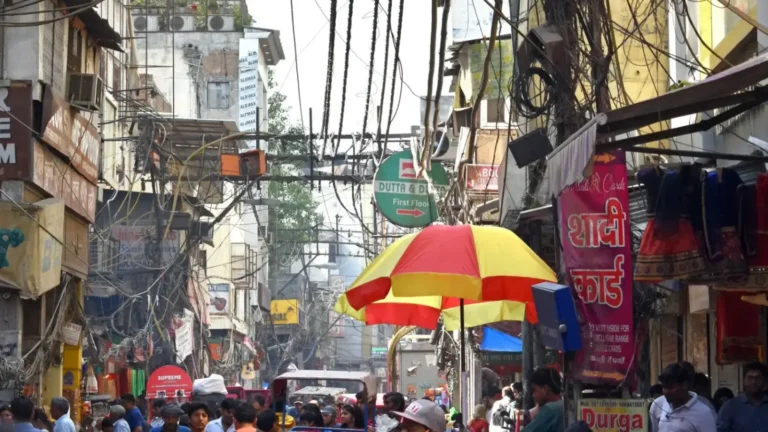
For children, India offers endless interest. There are animals everywhere, from cows wandering through traffic to monkeys, camels and elephants. Forts and palaces have secret passages, battlements and towers that capture young imaginations. Markets are full of colour and noise, and festivals bring music, lights and celebrations. Many children come home with memories that stay with them for life, and sharing so many new experiences far from everyday routines can bring a family closer together.
At the same time, India can be intense, and travelling with children requires more planning than travelling as adults. Heat, crowds, long journeys and unfamiliar food can all be challenging. With the right preparation, though, these are manageable.
When to go
The weather is one of the most important considerations for a family trip.
For most of north India, including Delhi, Agra, Jaipur and Rajasthan, the most comfortable months are October to March. Days are warm and sunny, ideal for sightseeing. From mid-December to mid-January, mornings and evenings can be cold and foggy, so pack warm layers for children. Delhi’s air quality is often poor in November and parts of winter, which is worth considering if your child has asthma or other breathing problems.
From April to June, north India is extremely hot, often exceeding 40°C. This can be dangerous for young children, and I’d generally avoid it unless you’re heading to the mountains. The monsoon, from July to September, brings heavy rain and humidity, with flooding and travel disruption in some areas.
In the south, Kerala and Goa are at their best from November to February, with warm, sunny weather that’s perfect for beaches. I’ve gone through the seasons in more detail in the best time to visit Delhi.
Also consider school holidays. Christmas and New Year are popular for family trips, but they’re the busiest and most expensive time of year. See Christmas and New Year in India for advice on travelling then.
Choosing where to go
For a first family trip, I’d recommend focusing on one region rather than trying to see the whole country.
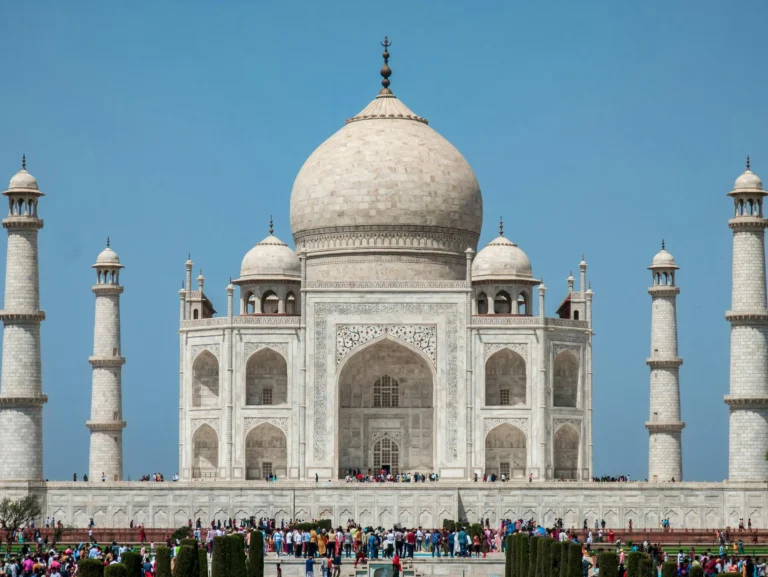
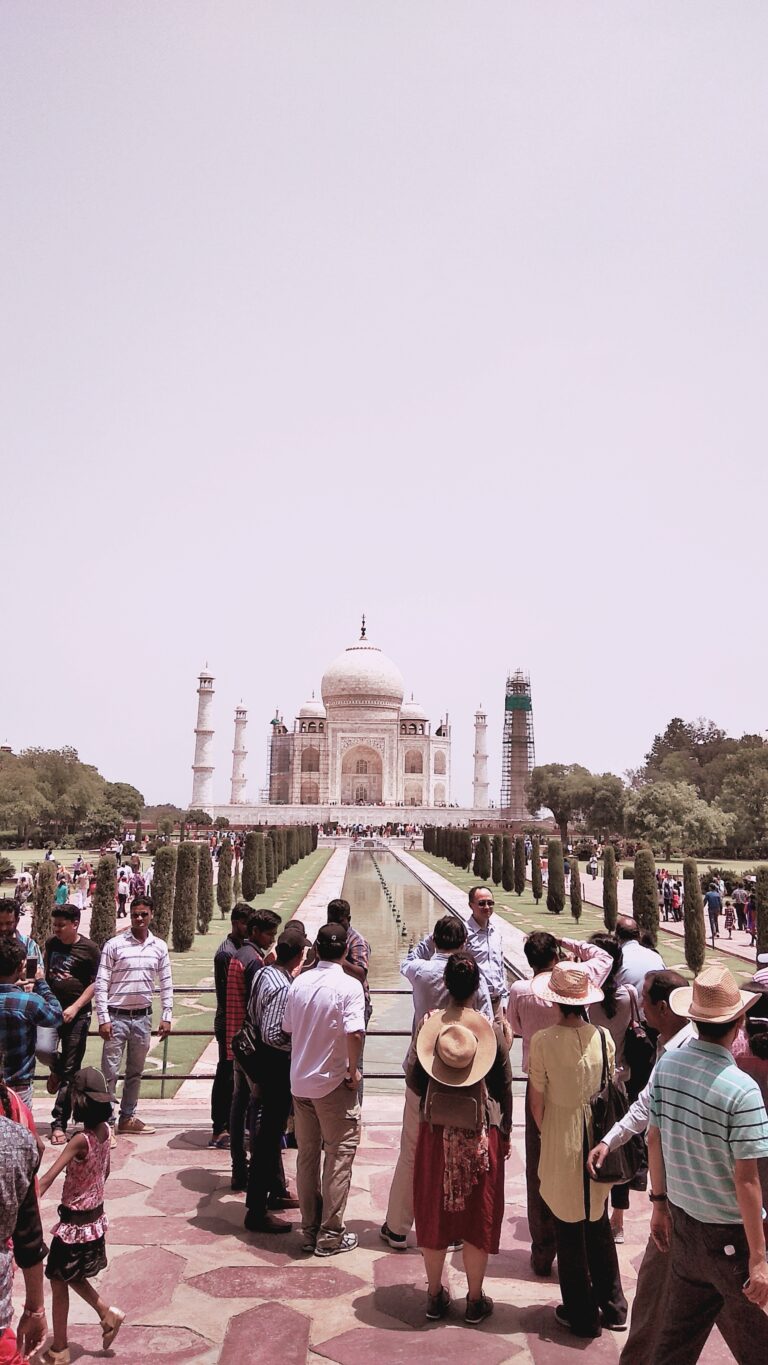
The Golden Triangle of Delhi, Agra and Jaipur is a good choice for families with older children who enjoy history and sightseeing. It includes the Taj Mahal, impressive forts and lively cities. See how many days the Golden Triangle needs.
Rajasthan is particularly appealing to children, with its forts, palaces, camels and desert. Jaipur, Udaipur and Jodhpur all have plenty to interest young travellers. I’ve written more in Rajasthan with a private guide.
Kerala is gentler and greener, with backwaters, beaches, wildlife and a relaxed pace that suits families with younger children.
Goa is ideal for a beach holiday, with good family-friendly hotels and a relaxed atmosphere.
Many families combine a few days of sightseeing in the north with a relaxing stay on the coast. My shortlist of the best places to visit in India for first-timers explains how these regions compare.
Setting the right pace
Pace is the single most important factor in a successful family trip. Children cope well with new experiences when they’re rested and fed, and much less well when they’re tired, hot and hungry.
Choose fewer destinations. Stay at least two or three nights in each place. Every move between cities involves packing, travelling and settling in, which is tiring for children.
Plan one main activity per day. Visit a major sight in the morning, when it’s cooler and quieter, then have a long lunch and a rest, perhaps at a hotel with a pool. Something gentle in the late afternoon, such as a walk in a garden or a market, rounds off the day nicely.
Build in downtime. Children need time to play, rest and simply be children. A day off from sightseeing every few days makes a big difference to everyone’s mood.
Start gently. After a long-haul flight, give everyone a day to recover before starting sightseeing. Children often adjust to a new time zone more slowly than adults expect. My guide to arriving at Delhi airport covers the first few hours in detail.
What children tend to love
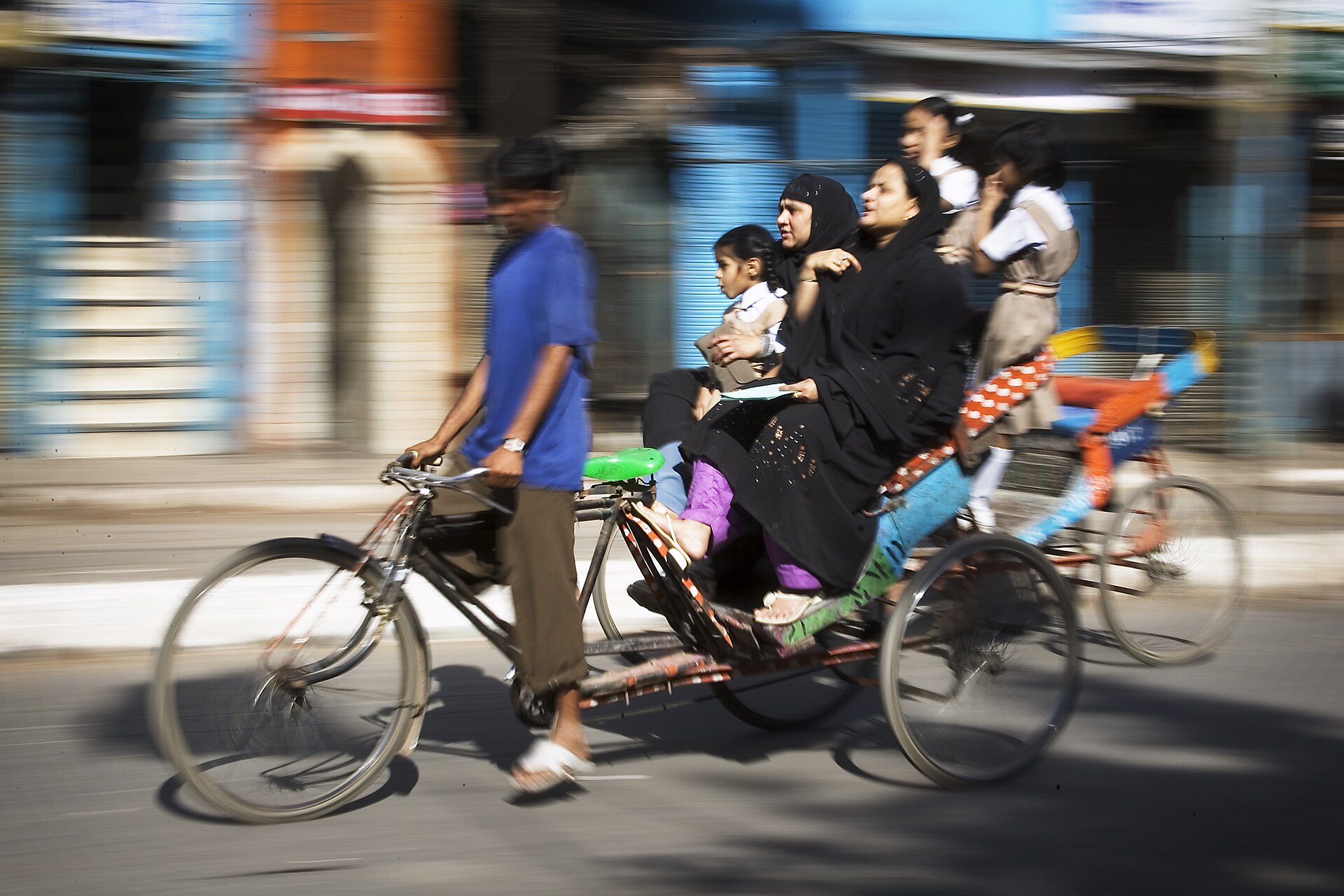
Rickshaw rides. A ride in a cycle rickshaw or auto-rickshaw through busy streets is often a highlight for children.
Animals. Cows in the streets, monkeys at temples, camels in Rajasthan, elephants, and the birds and wildlife of national parks.
Forts and palaces. Their towers, ramparts, secret passages and stories of kings and battles capture children’s imaginations.
Markets. The colour, noise and bustle of Indian markets fascinate children, especially the kite stalls and sweet shops.
Food being made. Watching chapatis being flipped, jalebis being fried or dosas being spread on a griddle is endlessly entertaining.
Boat rides. Boat trips on Lake Pichola in Udaipur, the backwaters of Kerala or the Ganges in Varanasi are popular with all ages.
Festivals. If your dates coincide with a festival such as Diwali or Holi, children usually love the lights, colours and celebrations.
Food and water
Food and water require particular care with children.
Water. Give children only bottled or filtered water, including for brushing teeth. Be careful with ice, which may be made from tap water.
Food. Choose freshly cooked, hot food, especially in the first few days. Avoid pre-cut fruit, salads and raw garnishes, which may have been washed in tap water. Fruit that you peel yourself, such as bananas and oranges, is generally safe.
Spice. Many Indian dishes can be made mild on request. Familiar options such as plain rice, dal, bread, plain naan, chapatis and simple vegetable dishes are widely available. In cities and tourist areas, many restaurants also serve international food, such as pasta and pizza, if children need something familiar.
Snacks. Bring a supply of familiar snacks from home for difficult moments. Biscuits, bananas and packaged snacks are also easy to buy almost everywhere in India.
My street food guide has more advice on eating safely.
Health and safety
Before you travel. Visit your doctor or a travel clinic well in advance to discuss vaccinations and health precautions for your children. Buy travel insurance with good medical cover.
First-aid kit. Pack children’s paracetamol or ibuprofen, oral rehydration salts, plasters, antiseptic cream, sunscreen, insect repellent suitable for children, and any regular medicines.
Heat. Keep children hydrated, use sunscreen and hats, and avoid the hottest part of the day.
Mosquitoes. Use repellent, especially at dawn and dusk, and choose accommodation with screens or air conditioning.
Hospitals. India’s major cities have excellent private hospitals and clinics. Your hotel can usually recommend a doctor if needed.
Crowds and traffic. Hold hands in crowded places and near roads, agree a meeting point in case anyone gets separated, and take a photo of each child each morning so you know what they’re wearing. Make sure older children know the name of your hotel.
Travelling with babies and toddlers
India is possible with babies and toddlers, but it needs extra preparation. Nappies, baby wipes, formula and baby food are available in pharmacies and supermarkets in larger cities, but brands may differ from those at home, and choice is limited in smaller towns, so bring enough of anything your child depends on. A lightweight, foldable pushchair is useful in hotels, airports and malls, but pavements in older city areas are often uneven or crowded, so a baby carrier is often more practical for sightseeing. Breastfeeding in public is generally accepted if done discreetly, often with a scarf or shawl for cover. Many hotels can provide cots if you ask in advance.
Keeping children engaged
Children enjoy sightseeing much more when they feel involved. Before you travel, read stories or watch films set in India together, and talk about what you’ll see. At monuments, give children a task, such as spotting animals carved in the stone, counting domes or finding the best photograph. Let older children keep a travel journal or take their own photos. Local guides are often very good at turning history into stories children can follow, with kings, battles, secret passages and hidden treasures.
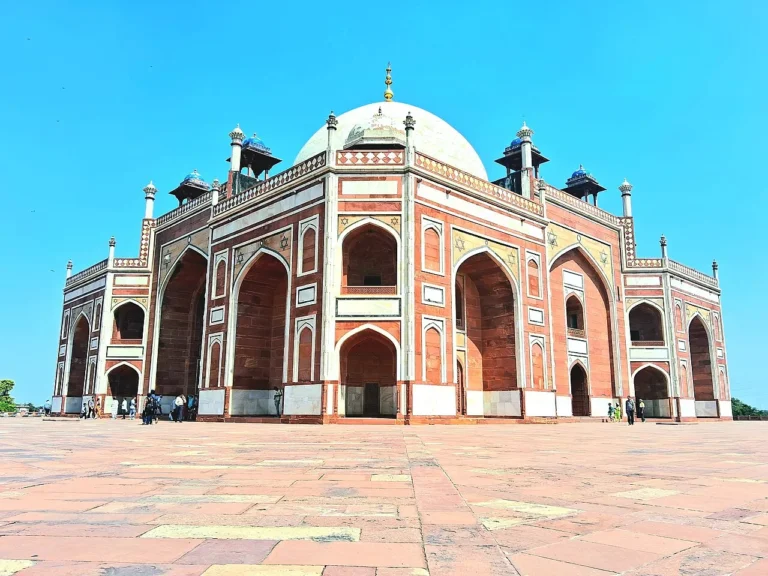
Allow time for play, too. Parks, gardens and hotel pools give children a chance to run around and recharge. In Delhi, Lodhi Garden and the gardens around Humayun’s Tomb are good places for children to stretch their legs.
Cultural experiences for families
Beyond the monuments, India offers many hands-on experiences that children enjoy. Families can try a cooking class, learn to fly a kite, watch a puppet show in Rajasthan, have mehndi, or henna, painted on their hands, or visit a craft workshop where artisans make pottery, textiles or toys. These experiences give children a chance to interact with local people and often become the most memorable moments of the trip.
Getting around
Car with a driver. For families, a private car with a driver is usually the most comfortable way to travel between cities. You travel door to door, can stop whenever you need to, and avoid crowded stations. Child seats aren’t always available, so ask in advance or consider bringing your own.
Flights. For long distances, a domestic flight saves a great deal of time and is easier on children than a long road journey.
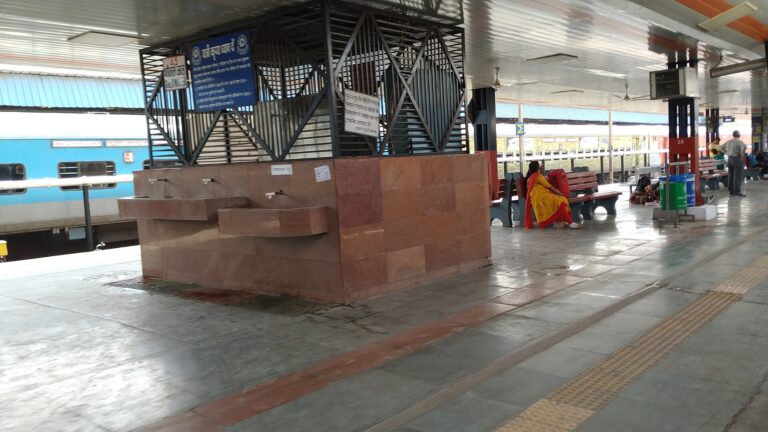
Trains. Older children often enjoy train travel. Choose air-conditioned classes, book in advance, and keep a close eye on children on busy platforms. I’ve compared trains and cars in Delhi to Agra by train or car.
In cities. App-based taxis such as Uber and Ola are convenient for getting around cities.
Where to stay
Choose family-friendly hotels with space to relax. A pool is a big advantage, especially in warmer months, giving children a chance to cool down and burn off energy. Family rooms or connecting rooms are widely available in mid-range and higher-end hotels. Heritage hotels in Rajasthan, with their courtyards, gardens and palace architecture, can be a memorable experience for children, who often love the idea of sleeping in a real palace. Check whether rooms involve steep stairs, which can be tricky with small children or pushchairs.
Packing for a family trip
Pack light, breathable clothes that cover shoulders and knees for visiting temples and older neighbourhoods, plus sun hats, sunglasses and comfortable shoes that are easy to take off. Bring warm layers for winter mornings in the north, and swimwear for hotel pools and beaches. A small backpack for each child with water, snacks, a hat and something to keep them occupied on journeys is very useful. Tablets, books and games help pass the time on long drives and flights. My India packing list has advice by season.
Handling attention
Children, especially those with fair hair or light skin, often attract a lot of friendly attention in India. People may want to touch their hair, pinch their cheeks or take photographs with them. This is almost always meant kindly, but it can be overwhelming for some children. Talk to your children about it before you travel, and don’t hesitate to politely decline if they’re uncomfortable. A simple smile and “no photos, thank you” is usually enough.
Why a guide helps with children
Travelling with a guide makes a family trip much easier. A guide takes care of tickets, queues, directions and transport, so parents can focus on their children. A good guide also knows how to make history and culture interesting for younger travellers, which places children enjoy most, where to find clean toilets and shade, and when to change plans because someone is tired.
I work as a private tour guide across India and travel with families for a few days or a whole trip. If you’d like help planning a family itinerary, my India trip planning calls are a good place to start. If grandparents are joining you, see travelling India with elderly parents.
India with kids: questions people ask me
Is India safe for children?
Yes, with sensible precautions around food, water, heat, traffic and crowds. Most families travel without serious problems.
What is the best age to take children to India?
Any age can work, but many families find it easier once children are around six or older, when they can walk further and remember more of the trip.
When is the best time to visit India with kids?
October to March for most of north India, and November to February for Kerala and Goa.
What do children eat in India?
Freshly cooked food such as rice, dal, breads and mild vegetable dishes. Many restaurants will make food less spicy, and international food is available in cities.
How should we travel around India with children?
A private car with a driver for shorter distances, and domestic flights for longer journeys.
Is a guide worth it for families in India?
Very much so, for the logistics, flexibility and ability to make sightseeing interesting for children.
Planning a family trip? Message me on WhatsApp and tell me a little about your family.
About the author
Ashish
Ashish is a Delhi-based tour guide, certified by India’s Ministry of Tourism under the Incredible India Tourist Guide (IITG) programme. He lives in Delhi, guides visitors from abroad in person, and writes practical, honest advice to help first-time travellers plan their trip to India.