Rajasthan With a Private Guide: Is It Worth It, and What to Expect
For a first trip to Rajasthan, a private guide is worth it for at least part of your journey. The state’s forts and palaces are vast and full of history that isn’t obvious from the buildings alone, and the cities are several hours apart by road. A good guide who travels with you turns a series of beautiful monuments into a story you can follow, and takes care of the logistics on long travel days. If you’ve travelled in India before and simply want to wander, Rajasthan is perfectly manageable on your own.
I’m Ashish, a licensed tour guide based in Delhi, and I travel with guests through Rajasthan as well as around Delhi. So I have an obvious interest in recommending guides, but I’ll try to be honest about when a guide adds real value and when you can do without one.
Why Rajasthan is special
Rajasthan, in the north-west of India, is the country’s largest state by area, and for many visitors it’s the India they’ve imagined: desert forts on rocky hills, painted mansions, palaces reflected in lakes, camels, colourful turbans and bustling bazaars. For centuries it was ruled by Rajput kings, warrior clans who built extraordinary fortresses and palaces, fought among themselves and with the Mughal emperors, and left behind some of the finest architecture in Asia.
That history is what makes Rajasthan so rewarding, and also what makes a guide useful. The forts aren’t neatly labelled museums. They’re sprawling complexes of courtyards, gateways, halls and hidden passages, each with its own story: which king built which wall, why the gates are studded with iron spikes, how the women of the royal household lived behind carved stone screens, and how alliances and rivalries shaped the region. Without someone to explain it, it’s easy to walk through a masterpiece and come away remembering only the view.
What a private guide actually does
On the road. Rajasthan’s cities are far apart, and travel days can be long. A guide coordinates the car and driver, plans departure times to avoid the heat and traffic, chooses good places to stop for lunch, and makes sure you reach each fort at the best time of day.
At the monuments. A guide brings the history to life, explaining the architecture, the people who lived there and the events that shaped each place. They also know the quieter corners, rooftops and viewpoints that most visitors miss, and the best routes through crowded sites.
In the cities and bazaars. Rajasthan’s old cities are lively and sometimes confusing. A guide helps you navigate the lanes, find good local food, and get a feel for the old cities’ crafts and traditions.
When plans change. Trains run late, roads close, festivals cause crowds, and sometimes people simply get tired. A guide can rearrange the day on the spot so you don’t lose time or energy.
The main cities of Rajasthan
Jaipur
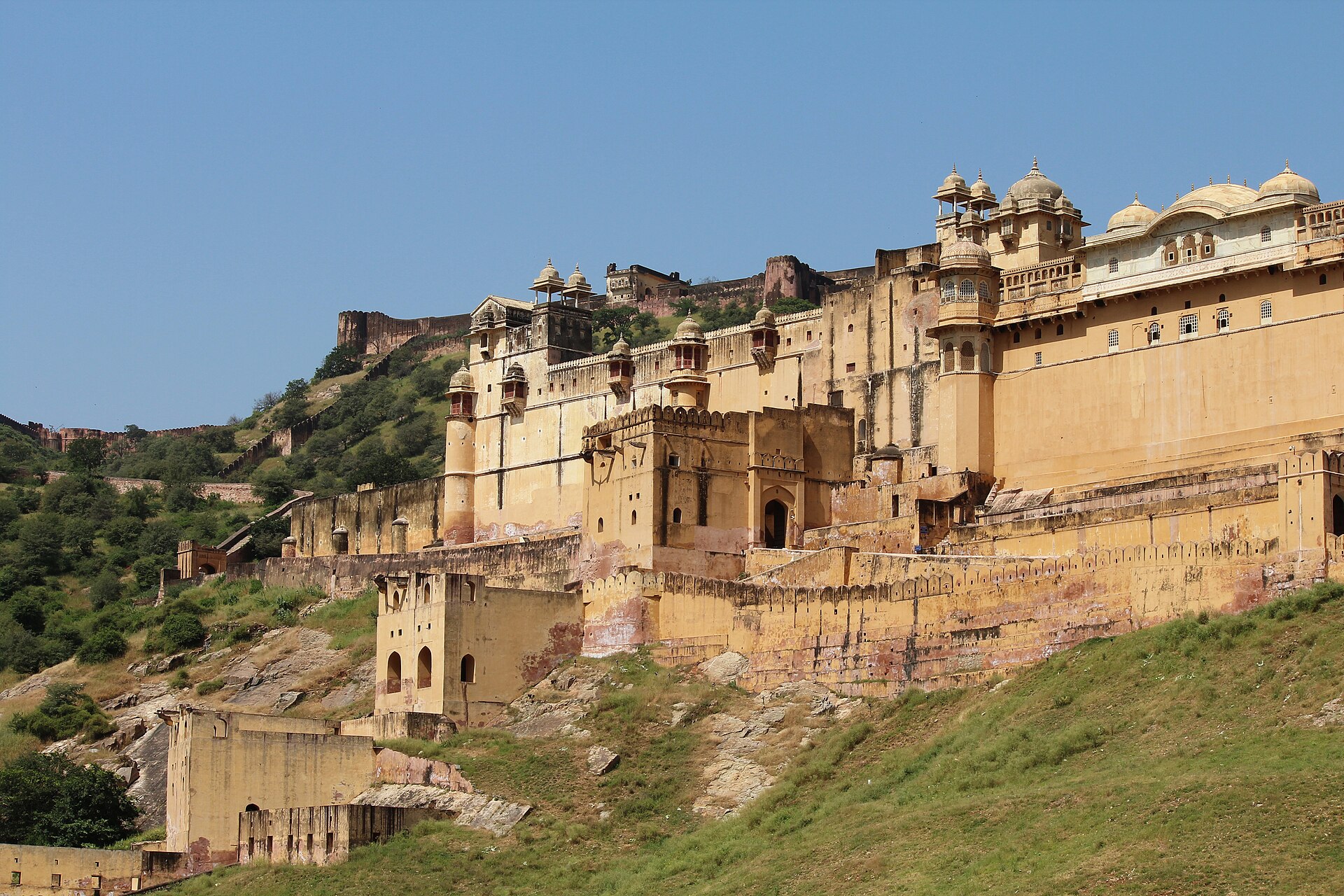
Jaipur, the state capital, is usually the first stop and the point where the Golden Triangle meets Rajasthan. Known as the Pink City for the terracotta colour of its old town, it has Amber Fort on the hills outside the city, the City Palace, the Jantar Mantar observatory and the Hawa Mahal, along with some of the best bazaars in India. I’ve covered getting there from Delhi in Delhi to Jaipur by train or car.
Udaipur
Udaipur is often called the City of Lakes. Built around Lake Pichola, with palaces and temples along its shores, it has a softer, more romantic atmosphere than the other cities. The City Palace complex is one of the largest in Rajasthan, and an evening boat ride on the lake is a highlight for many visitors.
Jodhpur
Jodhpur is known as the Blue City for the colour of the houses in its old quarter. Above it rises Mehrangarh Fort, one of the most impressive forts in India, built on a sheer rock outcrop. The fort’s museum, with its collections of palanquins, weapons and paintings, is among the best in the state.
Jaisalmer
Jaisalmer, deep in the Thar Desert near the Pakistan border, is known as the Golden City for the honey-coloured sandstone of its buildings. Its fort is one of the few in the world still lived in, with homes, cafés and temples inside its walls. Many visitors spend a night in the desert nearby.
Smaller places
Pushkar, with its holy lake and famous camel fair, Bundi, with its painted palace and stepwells, and Ranakpur, with its remarkable marble Jain temple, are all worth visiting if you have more time. They’re quieter and offer a different side of Rajasthan.
Combining Rajasthan with the rest of India
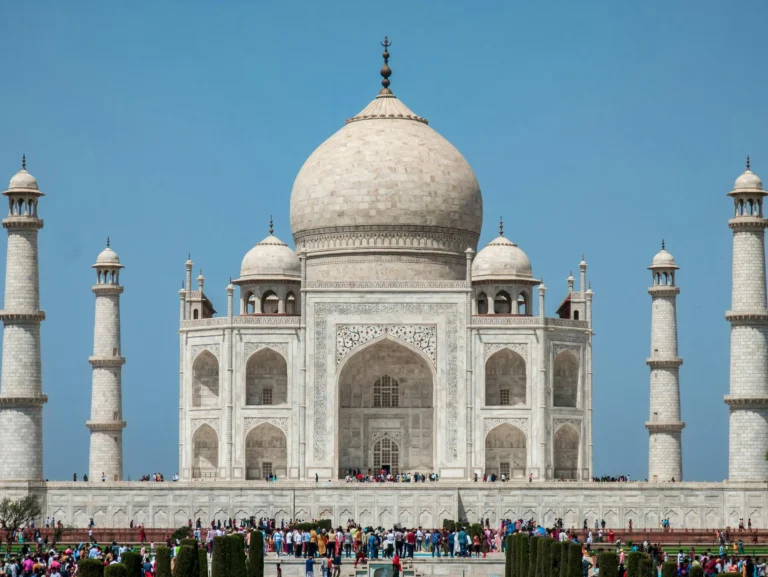
Rajasthan fits naturally with other popular regions. The most common combination is the Golden Triangle, starting in Delhi, visiting Agra for the Taj Mahal, and continuing into Rajasthan through Jaipur. From there, many travellers head west to Jodhpur and Jaisalmer, or south to Udaipur, before flying back to Delhi or on to Mumbai.
Others add Varanasi before or after Rajasthan for a completely different experience, centred on the Ganges and India’s spiritual traditions; see Varanasi for first-timers. And some finish with a few relaxing days in Goa or Kerala. My shortlist of the best places to visit in India for first-timers explains how these regions compare.
When combining regions, remember that flying between them often saves a full day of road travel, and that a slower pace usually makes for a better trip than trying to see everything.
How long to spend in Rajasthan
Most travellers spend one to two weeks in Rajasthan. Distances between the main cities are significant: Jaipur to Udaipur is around six to seven hours by road, Udaipur to Jodhpur about five, and Jodhpur to Jaisalmer around five to six. Because of this, I’d recommend choosing three or four bases rather than trying to see everything.
With a week, Jaipur plus two other cities is comfortable. With ten days to two weeks, you can include Jaisalmer or one of the smaller towns. Giving each place two nights makes the trip much more relaxed and allows time for the long journeys between them. If Rajasthan is part of a wider Golden Triangle trip, see how many days the Golden Triangle needs.
When to go
October to March is the best time to visit Rajasthan. Days are warm and sunny, and you can sightsee comfortably throughout the day. Desert nights in December and January can be cold, so bring warm layers. From April to June, temperatures regularly exceed 40°C, especially in the desert, and sightseeing is limited to early mornings and evenings. The monsoon, from July to September, brings some rain and greener landscapes, with fewer visitors and lower prices.
Rajasthan’s festivals are also worth considering. The Pushkar Camel Fair, usually in October or November, and the Jaisalmer Desert Festival in February attract large crowds and fill hotels quickly. Dates change each year with the lunar calendar, so check before you book.
Getting around Rajasthan
Most visitors travel between Rajasthan’s cities by car with a driver. It’s the most flexible and comfortable option, especially as some routes have limited train services. A private car lets you stop at smaller sights along the way and travel at your own pace.
Trains connect some of the main cities and can be a good option for longer journeys, particularly overnight. Domestic flights link Jaipur, Udaipur, Jodhpur and Jaisalmer with Delhi and Mumbai, which can save time if you’re short of days.
Guide for the whole trip, or just in places?
There are two common approaches, and both work well.
A guide for the whole journey. Some travellers prefer a guide who travels with them from start to finish. This is particularly helpful on a first visit to India, for families, and for travellers with older parents, as it removes most of the stress of planning and logistics. It also means continuity: someone who gets to know your interests and pace and plans each day around them. I’ve written about travelling with family in India with kids and travelling India with elderly parents.
A guide at the major sights. Others prefer to travel independently and hire a guide only for the big forts and palaces, such as Amber Fort, the City Palace in Udaipur and Mehrangarh. This gives you expert explanation where it matters most and freedom the rest of the time.
Neither is right or wrong. It depends on how much you’d like handled for you, and how confident you feel travelling in India.
Where to stay: heritage hotels and more
One of the great pleasures of travelling in Rajasthan is the chance to stay in a heritage hotel. Many of the state’s old palaces, forts and havelis, the grand family mansions of merchants and nobles, have been converted into hotels. They range from simple family-run guesthouses with painted walls and rooftop terraces to luxurious former palaces with courtyards, pools and lake views.
Staying in one adds a great deal to the experience. You’ll sleep in rooms with carved balconies and old frescoes, eat in courtyards where nobles once entertained guests, and often meet families whose ancestors built the house. If your budget allows, I’d suggest at least one or two nights in a heritage property during your trip. Book early in peak season, as the best ones fill quickly.
Food in Rajasthan
Rajasthani cooking developed in a dry land where fresh vegetables were scarce and dishes needed to keep well, so it relies on lentils, gram flour, dried beans, ghee and spices. Signature dishes include dal baati churma, baked wheat dumplings served with lentils and a sweet crumble; gatte ki sabzi, gram-flour dumplings in a yoghurt curry; ker sangri, a tangy dish of desert beans and berries; and laal maas, a fiery red mutton curry associated with the Rajput kitchens. Many visitors also enjoy a traditional Rajasthani thali, a platter with several small dishes.
Food in the bigger hotels can be adjusted if you prefer milder spice. As anywhere in India, choose busy places where food is freshly cooked; my street food guide explains how to eat safely.
The desert experience
For many visitors, a night in the Thar Desert near Jaisalmer is one of the highlights of Rajasthan. Typically, you travel out of the city in the afternoon, ride a camel or a jeep across the dunes at sunset, and spend the evening at a desert camp with dinner, folk music and a sky full of stars. Camps range from simple to quite luxurious. The desert is cold at night in winter, so bring warm clothes. If you’re short of time, the dunes near Jaisalmer can also be visited as an evening trip without staying overnight.
Choosing a good guide
Whoever you choose, a few checks help. Make sure the guide is government-licensed, and confirm that the person you’ve been talking to is the person who will meet you. Ask whether the price is per group or per person, and what it includes. A good guide should be happy to adapt the day to your interests rather than following a fixed script, and should be clear about whether any stops are planned in advance. I’ve compared the different ways of travelling in India tour package vs private guide.
What a typical guided day feels like
Every day is different, but a guided day in Rajasthan often follows a similar rhythm. You set off early to reach the main fort or palace before the heat and the crowds, spend the morning exploring it with plenty of time to stop and ask questions, and break for a long, relaxed lunch. The hottest part of the afternoon is a good time to rest at your hotel, especially in summer. In the late afternoon and evening, when the light is softer, you might wander through an old city bazaar, visit a temple, watch the sunset from a rooftop or take a boat on a lake. The day is shaped around your interests and energy rather than a fixed schedule.
Practical tips for Rajasthan
Dress modestly, especially at temples, where you’ll need to remove your shoes. Loose clothes covering shoulders and knees are practical in the heat and respectful in religious places; see my India packing list.
Carry water and sun protection. The desert sun is strong even in winter, and a hat, sunglasses and sunscreen make long days at open-air forts far more comfortable.
Start early. Forts are much more pleasant in the morning, before the heat and the tour groups arrive, and the soft light is better for photographs too.
Be wary of anyone who approaches offering unsolicited help or “special” tickets. I’ve described common tricks in Delhi tourist scams, and they appear in Rajasthan too.
How I can help
If you’d like a guide to travel with you through Rajasthan, I work as a private tour guide across India. If you’re still working out how Rajasthan fits into your trip, an hour on an India trip planning call usually helps, and my guide on how to plan a trip to India covers the bigger picture.
Rajasthan with a guide: questions people ask me
Do I need a guide in Rajasthan?
It isn’t essential, but on a first visit a good guide makes the forts and palaces far more meaningful and the long travel days much easier.
How many days do I need for Rajasthan?
A week to ten days lets you see three or four cities comfortably. Two weeks allows a more relaxed pace and a visit to the desert.
What is the best time to visit Rajasthan?
October to March, when days are warm and dry and sightseeing is comfortable.
Which cities should I visit in Rajasthan?
Most first-time visitors choose Jaipur plus two or three of Udaipur, Jodhpur and Jaisalmer.
Can a guide travel with me across Rajasthan?
Yes. Many private guides, including me, travel with guests for the whole trip.
Is Rajasthan safe for tourists?
Generally, yes. It’s one of India’s most visited regions, and ordinary precautions are usually enough. See is India safe for tourists.
Thinking about Rajasthan? Message me on WhatsApp with your dates, and I’ll be happy to help.
About the author
Ashish
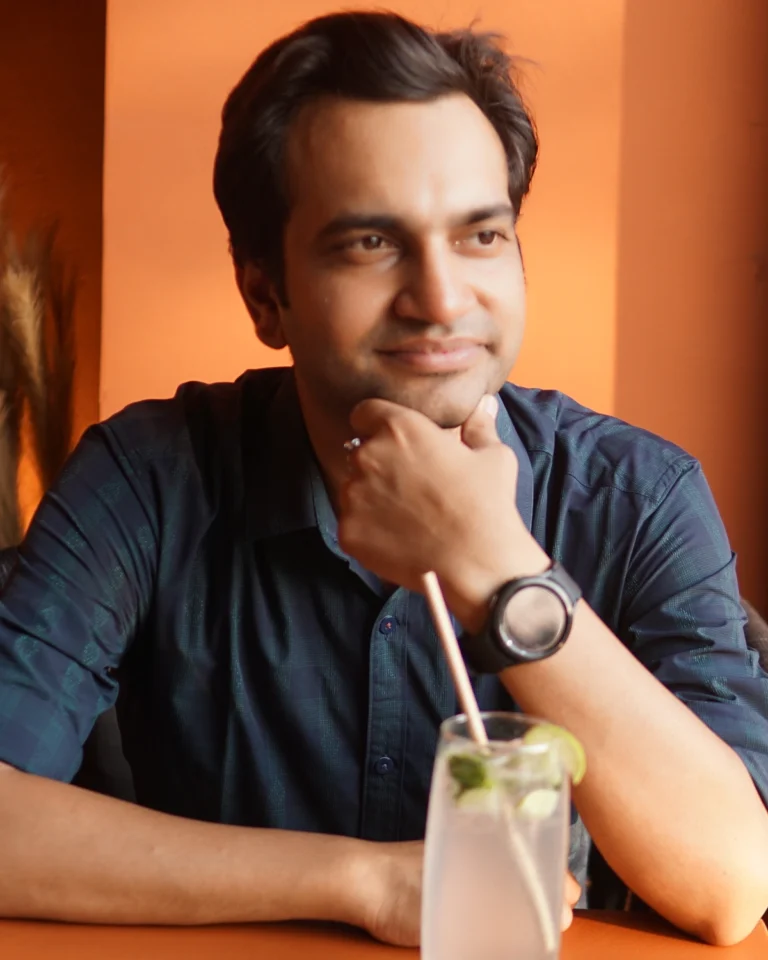
Ashish is a Delhi-based tour guide, certified by India’s Ministry of Tourism under the Incredible India Tourist Guide (IITG) programme. He lives in Delhi, guides visitors from abroad in person, and writes practical, honest advice to help first-time travellers plan their trip to India.