India Tour Package vs Private Guide: Which Is Right for Your Trip?
The right choice between a tour package and a private guide depends on how much control you want over your trip. A tour package suits travellers who want everything arranged in advance, with transport, hotels and sightseeing bundled together, and who are happy to follow a fixed schedule. A private guide suits travellers who want to book their own hotels and flights, travel at their own pace, and have expert local help where it matters most. Many travellers combine the two approaches, booking their own trip and hiring a private guide for the busiest cities or the most important sights.
I’m Ashish, a licensed tour guide based in Delhi, so I obviously have an interest in this question. I’ve tried to give a fair comparison, including the situations where a package genuinely makes more sense. This guide explains how each option works, the advantages and drawbacks of each, and how to decide which suits you.
What is an India tour package?
A tour package is a pre-arranged trip, usually sold by a travel agency or tour operator, that combines several elements in a single price. Typically, it includes accommodation, transport between cities, airport transfers, some or all sightseeing, entry tickets, and sometimes meals and a guide or tour manager.
Packages come in many forms. Some are group tours, where you travel with other people on a fixed itinerary and schedule. Others are private packages, where an agency arranges a trip just for you or your group, with a car and driver and local guides in each city. Packages range from budget to luxury, and from rigid fixed itineraries to semi-customised trips.
What is a private guide?
A private guide is a local expert who accompanies you, and only you or your group, for a day, several days or a whole trip. A licensed guide can explain the history and culture of the places you visit, plan the day around your interests and energy, handle tickets and logistics, help you navigate busy places, and recommend food and experiences.
When you hire a private guide independently, you typically book your own flights and hotels, and either arrange transport separately or ask the guide for recommendations. The guide’s role is focused on the experience on the ground rather than selling you a complete package.
Types of tour packages
Not all packages are the same, and understanding the main types helps you compare them.
Group tours follow a fixed itinerary with a set group of travellers, often led by a tour manager who travels with the group, with local guides at each destination. They’re usually the most affordable option, but the least flexible.
Private packages are arranged just for you or your group. You’ll typically have a private car and driver, pre-booked hotels and local guides in each city. They’re more flexible than group tours, and some operators will adjust the itinerary to your preferences.
Tailor-made trips are designed around your interests, budget and pace, usually after detailed discussions with the operator. They offer the most flexibility of any package but generally cost more.
Short packages cover a few days, such as a Golden Triangle tour or a Taj Mahal day trip from Delhi, and are often booked as part of a wider independent trip.
The advantages of a tour package
Convenience. Everything is arranged for you, from airport pickup to hotels and sightseeing. If you don’t enjoy planning, this can be a big relief.
One point of contact. If something goes wrong, there’s usually one company to call, and a good operator will rearrange transport or hotels on your behalf.
Predictable costs. You know most of your costs in advance, which makes budgeting simpler.
Group travel. On group tours, you’ll travel with others, which some people enjoy, especially solo travellers who like the company.
Good for first-timers who want certainty. For travellers who are nervous about organising a trip to India themselves, a reputable package can provide reassurance.
The drawbacks of a tour package
Less flexibility. Itineraries are usually fixed, and it can be difficult to change plans, spend longer somewhere you love, or skip something you’re not interested in.
A faster pace. Many packages try to fit in as many sights as possible, which can mean long days, early starts and limited free time.
Less choice of hotels. You may have limited say in where you stay.
Variable quality. The quality of packages varies widely. Some operators are excellent, while others cut corners on hotels, vehicles or guides, and it can be hard to tell the difference from a brochure or website.
Hidden costs. Some packages exclude entry fees, tips, meals or certain activities, so the total cost can be higher than it first appears.
The advantages of a private guide
Flexibility. You decide where to go, how long to spend, and when to stop for lunch or rest. The day can change as you go.
Personal attention. A private guide focuses entirely on you, answering your questions and tailoring explanations to your interests, whether that’s history, architecture, food, religion or daily life. There’s no need to keep up with a group or wait for others.
Deeper understanding. A good guide brings places to life with stories and context that you wouldn’t find on signs or in guidebooks.
Help where it matters most. In busy cities like Delhi, a guide helps with navigation, crowds, tickets, scams and transport, making the experience far less stressful.
Freedom to choose your own hotels and transport. You book the hotels you prefer and travel the way you want.
Good for families and older travellers. A private guide can adapt the pace to children or elderly parents, and knows where to find shade, seating and clean toilets. See India with kids.
The drawbacks of a private guide
More planning. You’ll need to arrange flights, hotels and possibly transport yourself, or with some help.
Cost. For solo travellers on a tight budget, a private guide for every day of a trip may be more than they need. For a family or group, the cost is shared and often reasonable.
Finding the right guide. Quality varies, so it’s important to choose a licensed, experienced guide with good reviews.
Combining the two: the middle path
Many travellers find the best balance is a combination. They plan their own route, book their own flights and hotels, and arrange a car and driver for longer journeys. Then they hire a private guide for the places where local knowledge makes the biggest difference, such as:
- Their first day or two in Delhi, to settle in and get their bearings.
- Old Delhi, with its maze of lanes and bazaars.
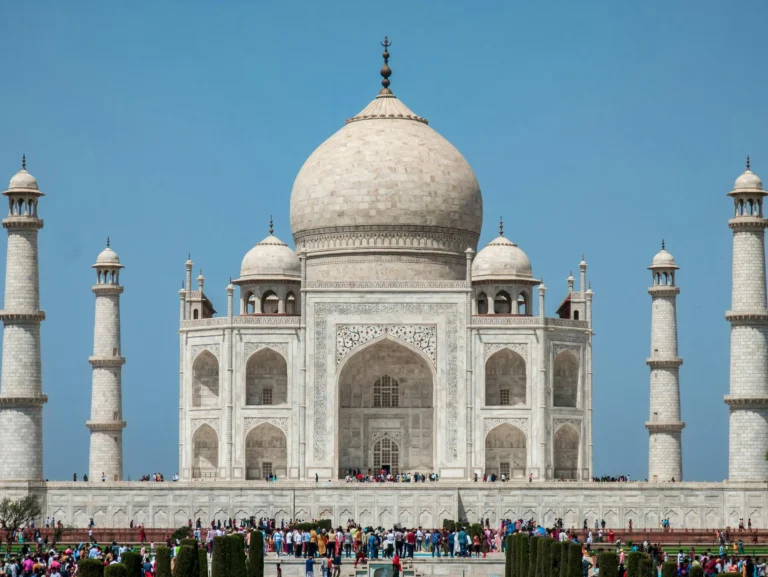
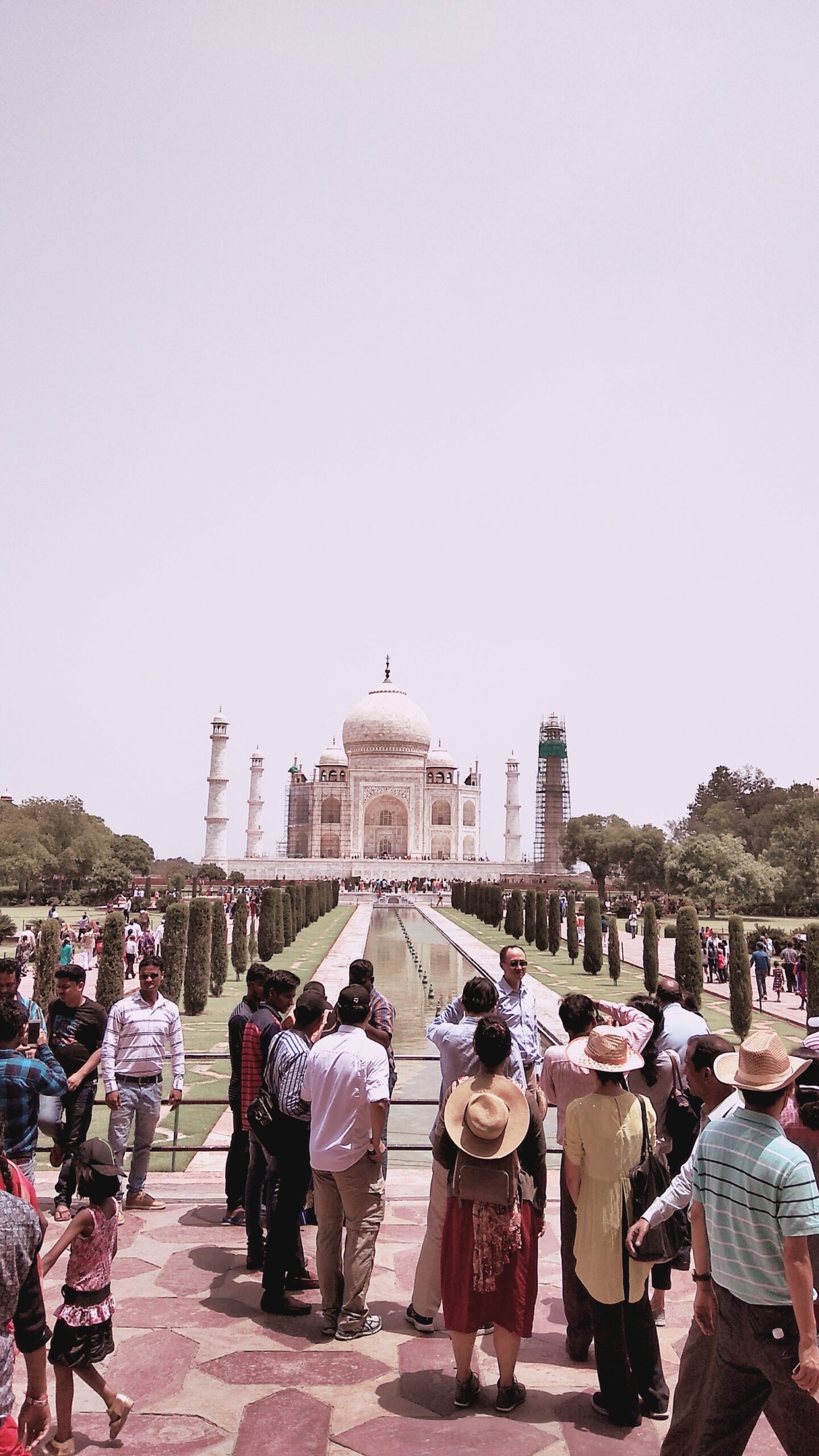
- The Taj Mahal and Agra Fort, where the history adds so much to the experience.
- The forts and palaces of Jaipur and Rajasthan.
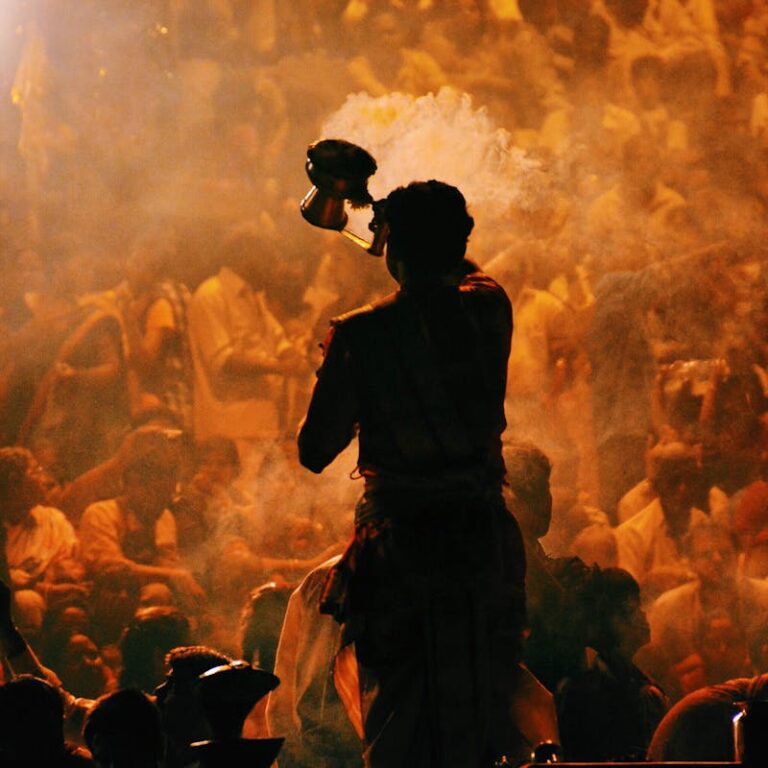
- Varanasi, where the rituals and customs benefit greatly from explanation.
This approach gives you freedom and flexibility, while ensuring you have expert help where it matters. I’ve explained how to plan this kind of trip in how to plan a trip to India.
A driver is not a guide
One common source of confusion is the difference between a driver and a guide. Many travellers hire a car with a driver for their trip, which is an excellent way to travel between cities. However, drivers in India are usually not licensed guides, and they aren’t permitted to guide you inside monuments. Some drivers speak limited English and focus on getting you safely from place to place. If you want someone to explain the history and culture of the places you visit, you’ll need a licensed guide, either for the whole trip or in specific cities. Some travellers hire a car and driver for the journey and a guide for the main sightseeing days, which works very well.
Some real-world scenarios
A couple on their first trip with ten days. They want to see the Golden Triangle and Varanasi but don’t want to be rushed. They book their own hotels and a car and driver for the road journeys, then hire a private guide for a day in Delhi, the Taj Mahal and Agra, a day in Jaipur, and their time in Varanasi. This gives them flexibility and expert help where it matters.
A family with young children. They want comfort and a slow pace. A private guide who travels with them adapts each day to the children’s energy, finds the best places to eat, and changes the plan when someone is tired.
A solo traveller on a budget. They enjoy organising their own trip and travel mostly independently, using trains and app-based taxis. They hire a guide for a day in Old Delhi and a day at the Taj Mahal, and explore the rest on their own.
A group of friends who want everything arranged. They don’t want to make decisions on the ground and are happy with a fixed itinerary. A reputable private tour package, with a car, hotels and local guides included, suits them well.
Older parents travelling with adult children. They value comfort, support and a relaxed pace. A private guide for the whole trip, combined with a comfortable car and well-chosen hotels, makes the experience much easier. See travelling India with elderly parents.
Which option suits you?
Choose a tour package if you want everything arranged in advance, prefer not to make decisions on the ground, enjoy group travel, or are short on time for planning.
Choose a private guide if you want flexibility, a personal experience, deeper understanding of the places you visit, and the freedom to choose your own hotels and pace.
Combine both if you want independence but also expert help in the busiest or most important places.
How to choose a good tour operator
If you decide on a package, choose carefully. Look for operators with recent, detailed reviews on independent platforms. Check exactly what’s included and excluded, including hotels, transport, entry fees, meals and guides. Ask about the type and age of vehicles, the experience of drivers, and whether guides are licensed. Be cautious of prices that seem too good to be true, and avoid operators who pressure you to pay large amounts immediately.
How to choose a good private guide
Make sure the guide is government-licensed. In India, guides can be licensed by the Ministry of Tourism or by state tourism departments. Read independent reviews from previous guests. Communicate clearly about your interests, pace and any special needs before booking. Agree on the price, the duration of the day and what’s included, such as transport, entry fees and meals. Confirm that the person you’re communicating with is the person who will guide you. A good guide should be happy to adapt the day to your interests rather than following a fixed script.
What a private guided day looks like
A private guided day is shaped around you. It might begin with a pickup at your hotel, followed by a morning at a major monument before the crowds arrive. Lunch might be at a local restaurant your guide recommends. In the afternoon, you might explore a market, a neighbourhood or a quieter sight, with time to stop for tea, photographs or questions. If anyone is tired, the plan can change. The goal is to experience the place, not just tick off sights.
Safety and peace of mind
Both options can be safe and reassuring when you choose well. A reputable tour operator handles logistics and is responsible for your arrangements, which some travellers find comforting. A good private guide adds a different kind of reassurance: someone local beside you who can help you avoid scams, navigate crowds and handle unexpected situations. For an honest look at safety in India, see is India safe for tourists and Delhi tourist scams.
Costs: what to expect
The cost of both options varies widely. Tour packages range from budget group tours to luxury private trips, and the price depends on the hotels, the level of service and what’s included. Private guides usually charge a day rate, which may or may not include transport and entry fees. When comparing costs, look at what’s included, the size of your group, and the value of flexibility and personal attention.
For reference, I work as a private tour guide across India. Message me on WhatsApp and I’ll explain exactly what’s included.
Common questions to ask before you book
Whatever you choose, ask: What exactly is included? Are entry fees, meals and tips included? How long is each day? How much free time is there? Who will guide us, and are they licensed? What happens if plans need to change? Getting clear answers in advance avoids misunderstandings later.
Want help deciding?
If you’re not sure which option is right for you, I’m happy to talk it through. My India trip planning calls are designed for exactly this kind of decision, and I don’t sell packages, so there’s nothing to upsell. For more planning advice, see first trip to India mistakes and how many days the Golden Triangle needs.
Tour package vs private guide: questions people ask me
Is it better to book a tour package or hire a private guide in India?
It depends on your preferences. Packages offer convenience and certainty; private guides offer flexibility and a more personal experience. Many travellers combine both.
Is a private guide worth it in India?
For many travellers, yes, especially in busy cities like Delhi, at major monuments, and on a first visit.
How do I find a licensed guide in India?
Look for guides licensed by the Ministry of Tourism or state tourism departments, and read independent reviews from previous guests.
Can I book my own hotels and still hire a guide?
Yes. Many travellers book their own hotels and transport and hire a private guide for specific days or places.
Is a private guide good for families?
Yes. A private guide can adapt the pace and content of each day to children and older travellers.
If you’d like to talk through your options, message me on WhatsApp.

About the author
Ashish
Ashish is a Delhi-based tour guide, certified by India’s Ministry of Tourism under the Incredible India Tourist Guide (IITG) programme. He lives in Delhi, guides visitors from abroad in person, and writes practical, honest advice to help first-time travellers plan their trip to India.