Varanasi for First-Timers: What to Expect, and Why a Guide Helps
Varanasi is one of the most extraordinary places you can visit in India, and also one of the most intense. For a first visit, plan to stay at least two nights, take a boat on the Ganges at sunrise, watch the evening aarti ceremony on the ghats, and allow yourself time to absorb what you’re seeing rather than rushing from sight to sight. Because so much of Varanasi’s meaning lies in rituals, beliefs and customs that aren’t obvious to an outsider, a knowledgeable guide makes a bigger difference here than almost anywhere else in the country.
I’m Ashish, a licensed tour guide based in Delhi, and I can travel with guests to Varanasi as part of a longer trip. Many people feel a little nervous before they go, and most come away saying it was the most memorable part of their time in India. This guide explains what to expect and how to make the most of your visit.
What makes Varanasi different
Varanasi, also known as Benares or Kashi, sits on the western bank of the Ganges in the state of Uttar Pradesh. It’s often described as one of the oldest continuously inhabited cities in the world, and it is the holiest city in Hinduism. For centuries, pilgrims have come here to bathe in the river, which Hindus consider sacred, to pray at its many temples, and to perform rites for their ancestors.
Varanasi is also closely associated with death. Many Hindus believe that dying in Varanasi, and being cremated on the banks of the Ganges, frees the soul from the cycle of rebirth. As a result, cremations take place openly by the river, day and night, and some elderly people come to the city to spend their final days here.
What makes Varanasi so powerful for visitors is that all of this happens in public, side by side. Along the riverfront, you’ll see people bathing and praying, priests performing rituals, children playing, laundry being washed, boats coming and going, and funeral processions arriving at the cremation grounds. The city doesn’t put on a show for tourists. It simply goes about its life, as it has for thousands of years. That openness is deeply moving, but it can also be overwhelming if you arrive without any understanding of what you’re seeing.
A little history
Varanasi’s history stretches back thousands of years. It’s mentioned in ancient Hindu scriptures, and it was already a centre of learning, religion and trade when the Buddha preached nearby at Sarnath in the sixth or fifth century BCE. Over the centuries the city was a magnet for scholars, poets, musicians and philosophers, and it remains an important centre of Hindu learning, classical music and the famous Banarasi silk weaving.
Much of the city you see today, including many of the ghats and temples along the river, was built or rebuilt from the eighteenth century onwards by rulers from across India, who sponsored temples and palaces here as acts of devotion. Banaras Hindu University, one of the largest residential universities in Asia, was founded in the south of the city in 1916.
The ghats
The heart of Varanasi is its riverfront, lined with more than eighty ghats: wide flights of stone steps leading down to the water. Each ghat has its own name, history and purpose. Some are used mainly for bathing, some for religious ceremonies, and two for cremations. Many are overlooked by temples, palaces and old mansions built by kings and nobles from across India.
Walking along the ghats is one of the best ways to experience the city, especially in the early morning and late afternoon. You can walk for several kilometres along the river, passing from one ghat to the next, and every few minutes you’ll see something new.
Dashashwamedh Ghat is the busiest and best-known, close to the main market and the site of the famous evening ceremony.
Assi Ghat, at the southern end, is a little calmer, with a morning ceremony and a lively area of cafés and guesthouses nearby.
Manikarnika Ghat is the main cremation ghat, where funeral pyres burn around the clock.
Two experiences not to miss
A boat ride on the Ganges at sunrise
Before dawn, small wooden rowing boats wait at the ghats to take visitors along the river. As the sky lightens, the city wakes up in front of you: pilgrims bathing in the river, priests chanting, people doing yoga and making offerings, and smoke rising from the cremation ghats. The light is soft, the river is calm, and it’s the gentlest and most beautiful way to see Varanasi for the first time. Most boat rides last about an hour. Agree the price and the route before you set off, or book through your hotel or guide, and bring a light jacket in winter, as it can be chilly on the water before sunrise.
The evening Ganga aarti
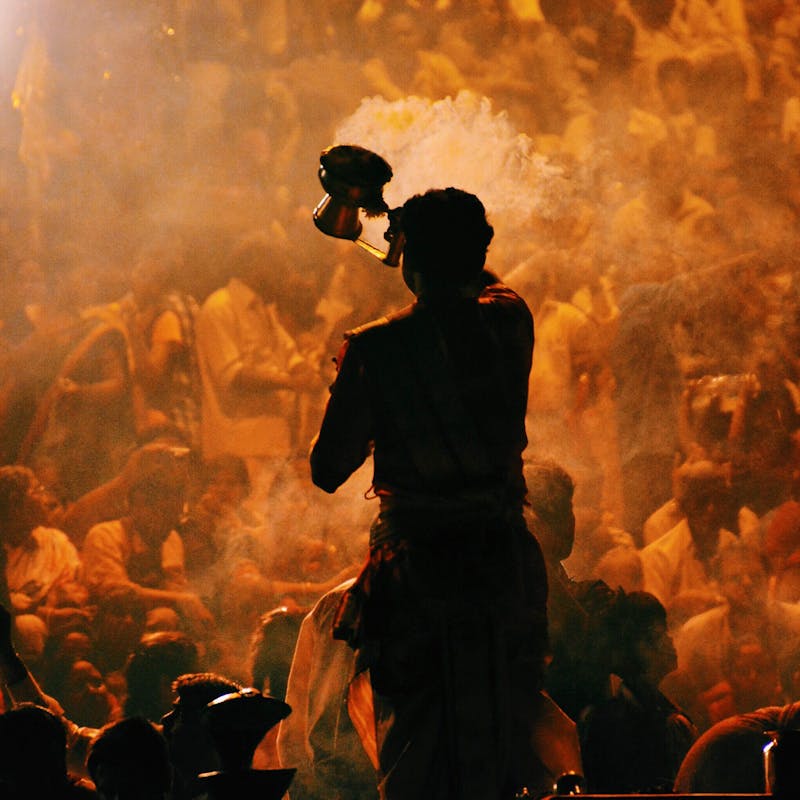
Every evening at Dashashwamedh Ghat, a group of priests performs the Ganga aarti, a ceremony of worship offered to the river. Dressed in matching robes, they move in unison, waving large brass lamps with flames, ringing bells and chanting, accompanied by music. Hundreds of people gather on the steps and in boats on the water to watch. It’s a spectacular sight and a moving experience, whether or not you’re religious. Arrive early to find a good spot, as it becomes very crowded. Watching from a boat gives you a different perspective and a little more space, and a smaller version of the ceremony also takes place at Assi Ghat at dawn.
Visiting the cremation ghats respectfully
Manikarnika and Harishchandra are the two cremation ghats. Visitors are allowed to watch from a respectful distance, and many find it a profound experience that changes how they think about life and death.
A few guidelines are important. Do not take photographs of the cremations or the mourners; it is deeply disrespectful. Dress modestly and keep your voice low. Be aware that some people approach visitors offering to explain the rituals and then ask for a large “donation” for firewood. This is a well-known practice in Varanasi, and you are under no obligation to pay. A trusted guide can explain the rituals properly and help you visit respectfully, without being pressured.
The old city lanes
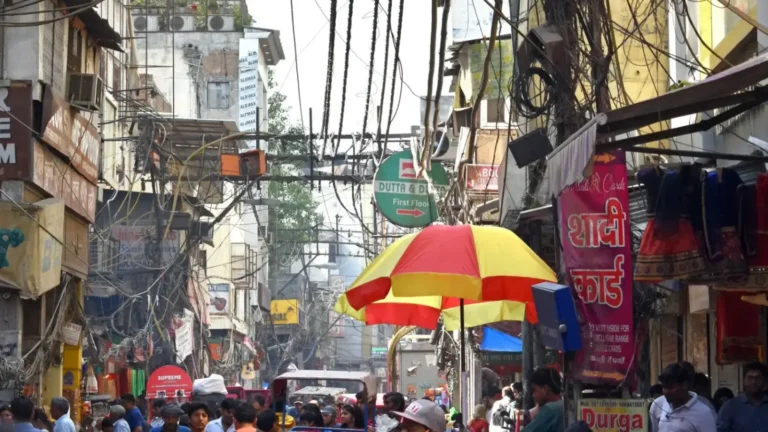
Behind the ghats lies the old city, a maze of narrow lanes too small for cars. They’re lined with small temples, shrines, sweet shops, tea stalls and workshops, including some of the famous Banarasi silk weavers. Cows wander freely, and the lanes can be surprisingly quiet just a few steps away from the busy riverfront.
It’s very easy to get lost here, which is part of the charm. A guide helps you find your way, avoid the busiest bottlenecks and discover places you’d never find on your own. Some lanes lead to the Kashi Vishwanath temple, one of the most important temples dedicated to Shiva. Access arrangements and security rules for the temple can change, so check the current situation before you go.
Temple etiquette
Varanasi has hundreds of temples, from tiny shrines in the lanes to large, important complexes. When visiting, remove your shoes before entering, dress modestly and follow any signs or instructions about photography, which is often not allowed inside. Some temples allow only Hindus into the inner sanctum, and security at the major temples can be strict, with restrictions on phones, bags and cameras. Lockers are usually available nearby. If you’re unsure about anything, ask, or follow what local worshippers are doing.
Sarnath
About 10 kilometres from Varanasi lies Sarnath, where the Buddha is believed to have given his first sermon after attaining enlightenment. It’s one of the most important Buddhist pilgrimage sites in the world, with a large stupa, monastery ruins, temples built by Buddhist communities from different countries, and a museum housing the famous Lion Capital of Ashoka, now the national emblem of India. Sarnath is calm and green, a peaceful contrast to the intensity of Varanasi, and it’s easy to visit in a few hours.
Food in Varanasi
Varanasi has a rich food culture. Try kachori and sabzi for breakfast, a spiced pastry served with potato curry; tamatar chaat, a tangy dish unique to the city; and Banarasi paan, the betel leaf preparation for which the city is famous. Varanasi is also known for its lassi, served thick and creamy in clay cups, and for its sweets. Much of the food in the old city is vegetarian, reflecting the city’s religious traditions. As always, choose busy places where food is freshly made; my street food guide explains how to eat safely.
Getting to Varanasi
Varanasi is about an hour and a half by air from Delhi, with several flights a day. The airport is around 25 kilometres from the city centre, so allow time for the drive. There are also trains from Delhi, including the Vande Bharat Express, which takes around eight hours, and several overnight services, which many travellers find a convenient way to save a night’s accommodation.
How long to stay
I’d recommend at least two nights in Varanasi, and three if possible. That gives you time for a sunrise boat ride, the evening aarti, a walk along the ghats, a visit to the old city lanes, and perhaps a trip to Sarnath, without feeling rushed. Varanasi rewards a slow pace, and the city reveals more of itself the longer you stay.
Where to stay
Staying near the ghats, particularly around Dashashwamedh, Assi or the stretch between them, lets you walk to the river easily for sunrise and the evening ceremony. Some hotels and guesthouses have rooftops or rooms with river views, which are wonderful at dawn. Be aware that many riverside properties are reached through narrow lanes, so cars may not be able to drop you at the door. Check with your hotel how to reach them, especially if you have heavy luggage. Hotels in the newer parts of the city offer more space and easier road access, but you’ll need transport to reach the river.
When to visit
October to March is the most pleasant time, with mild days and cool mornings. December and January can be foggy and quite cold early in the day, which affects sunrise views. April to June is very hot. During the monsoon, from July to September, the river rises considerably, and some ghats and lower steps can be under water, which may limit boat rides and riverside walks. For month-by-month detail on north India’s weather, see the best time to visit Delhi.
Major festivals, such as Dev Deepawali, when the ghats are lit with thousands of oil lamps, are extraordinary but very crowded, and hotel prices rise. Book early if your dates coincide.
Practical tips
Dress modestly. Varanasi is a deeply religious city. Cover your shoulders and knees, and remove your shoes where asked. My India packing list covers what to bring.
Ask before taking photographs of people, and never photograph cremations.
Be careful with water. Drink bottled or filtered water, and avoid drinking or swimming in the river.
Watch your step. The ghats and lanes can be slippery and uneven, and there are cows and other animals everywhere.
Expect persistent offers. Boat operators, guides and sellers will approach you frequently. A polite but firm “no, thank you” is usually enough. I’ve described common tricks in Delhi tourist scams, and some of them apply in Varanasi too.
Combining Varanasi with the rest of your trip
Varanasi is usually combined with the Golden Triangle of Delhi, Agra and Jaipur. The easiest approach is to fly from Delhi to Varanasi either before or after the triangle, as the flight saves a great deal of time compared with road or rail. Some travellers also connect Varanasi with Khajuraho, known for its carved temples, or with a trip further east.
Because Varanasi is such an intense experience, it often works well as a contrast to the monuments of Delhi, Agra and Rajasthan, and many travellers like to follow it with something gentler, such as a few days in Rajasthan’s quieter towns, or a beach or backwater stay in Goa or Kerala. My guides to how many days the Golden Triangle needs and the best places to visit in India for first-timers explain how these places fit together.
Visiting with children or older parents
Varanasi can be wonderful for families and older travellers, but it needs some planning. The ghats involve many steps, the lanes are narrow and crowded, and the riverside can be hot and busy. A boat ride is an easy way for everyone to see the ghats without much walking. Choosing a hotel with good road access, rather than one deep in the lanes, makes arrivals and departures much easier. With younger children, it’s worth thinking in advance about how to explain the cremations they may see by the river.
Why a guide makes such a difference here
In most cities, a guide adds context to the monuments. In Varanasi, a guide helps you understand the city itself. The rituals at the river, the meaning of the cremations, the different ghats, the customs of the pilgrims and the layout of the old city are all much easier to appreciate with someone who can explain them. A guide also helps you avoid being pressured by touts, arranges trustworthy boat rides, and helps you visit sensitive places respectfully.
If you’d like a guide to travel with you to Varanasi, or for your whole trip, I work as a private tour guide across India. If you’re still working out where Varanasi fits into your plans, my India trip planning calls can help, and there’s more in how to plan a trip to India.
Varanasi: questions people ask me
Is Varanasi worth visiting on a first trip to India?
Yes, if you’re open to an intense and very different experience. Many travellers say it was the most memorable part of their trip.
How many days do I need in Varanasi?
At least two nights, and ideally three, to see the river at sunrise, the evening aarti, the old city and Sarnath at a comfortable pace.
What is the Ganga aarti?
A nightly ceremony of worship to the river, performed by priests at Dashashwamedh Ghat with fire, bells and chanting. Arrive early for a good view.
Can tourists watch cremations in Varanasi?
Yes, from a respectful distance at Manikarnika or Harishchandra Ghat. Never take photographs, and don’t feel obliged to pay anyone who approaches you.
Do I need a guide in Varanasi?
It isn’t essential, but on a first visit a guide makes it much easier to understand the rituals, navigate the lanes and avoid pressure from touts.
How do I get to Varanasi from Delhi?
By air in about an hour and a half, or by train, either the Vande Bharat in around eight hours or an overnight service.
Planning a trip to Varanasi? Message me on WhatsApp with your dates.
About the author
Ashish
Ashish is a Delhi-based tour guide, certified by India’s Ministry of Tourism under the Incredible India Tourist Guide (IITG) programme. He lives in Delhi, guides visitors from abroad in person, and writes practical, honest advice to help first-time travellers plan their trip to India.