India Packing List by Season: What to Bring, From a Local Guide
The most useful things to pack for India are loose, comfortable clothes that cover your shoulders and knees, a large scarf, shoes you can slip on and off easily, and a small medical kit. Beyond that, what you need depends on the season and the region. In north India, bring proper warm layers from December to February, your lightest breathable clothes from April to June, and quick-drying clothes and an umbrella during the monsoon from July to September. Add sunscreen, a refillable water bottle, a universal plug adapter and copies of your documents, and you’ll be well prepared.
I’m Ashish, a licensed tour guide based in Delhi. I meet travellers at every time of year, and the difference between those who packed well and those who didn’t is often obvious within the first hour. This guide explains what to bring for each season and what to leave at home.
The essentials for any season
Whatever time of year you visit, some items are useful everywhere.
Clothing
Loose, lightweight trousers or long skirts. They’re comfortable in the heat, respectful in temples and traditional areas, and protect your legs from the sun and mosquitoes.
Tops that cover your shoulders. Short-sleeved or long-sleeved shirts and tunics in breathable fabrics such as cotton and linen work well. Three or four tops are usually enough, as laundry services in hotels are inexpensive and quick.
A large scarf or shawl. This is one of the most useful things you can pack. It can cover your head in a gurudwara or mosque, cover your shoulders in a temple, protect you from dust and sun, keep you warm on a cool evening or an air-conditioned train, and even serve as a pillow on a long journey.
Comfortable shoes that slip on and off easily. You’ll need to remove your shoes at temples, mosques, gurudwaras and some homes and shops, often several times a day. Slip-on shoes or sandals with good support are ideal. Expect a lot of walking on uneven ground, so comfort matters more than style.
A sun hat and sunglasses. The sun is strong for much of the year.
I’ve written more about what’s appropriate to wear in what to wear in Delhi.
Other essentials
A refillable water bottle, ideally with a filter. A small daypack for sightseeing. Sunscreen and lip balm with sun protection. Insect repellent. Hand sanitiser and tissues or wet wipes. A small torch or your phone’s torch for power cuts and dark lanes. A padlock for luggage, which is also useful for hostel lockers and for securing bags on overnight trains.
December to February: winter
Many visitors underestimate how cold north India can be in winter. In Delhi, Agra, Jaipur, Varanasi and the rest of the north, daytime temperatures are often pleasant, with sunny afternoons, but early mornings and nights can drop close to freezing. Many buildings, including some hotels and guesthouses, aren’t well heated. Dense fog is common in the early morning from mid-December to mid-January, and Delhi’s air quality can be poor.
What to pack:
A warm jacket, such as a padded jacket or fleece. Warm jumpers or sweaters. Thermal underwear if you feel the cold. Warm socks and closed shoes. A warm scarf, hat and gloves for early mornings, especially in the desert or on early boat rides in Varanasi. Layers you can add and remove, as the difference between morning and afternoon temperatures can be large. A few good-quality masks, such as N95 or FFP2, if you’re sensitive to air pollution.
Desert nights in Rajasthan can be especially cold, so pack an extra layer if you’re planning a night near Jaisalmer. In the south, including Kerala and Goa, winter is warm and sunny, so if you’re combining north and south, you’ll need both warm layers and summer clothes. See Christmas and New Year in India if you’re travelling over the holidays.
March: spring
March is one of the most pleasant months in north India, with warm days and cool evenings. It’s also the month of Holi, the festival of colours; Holi 2027 falls on 22 March.
What to pack:
Light clothes for the day and a long-sleeved top or light jacket for the evenings. Sun protection. If you’ll be in India for Holi, bring an old outfit that you’re happy to throw away afterwards, as the coloured powders don’t always wash out, and some coconut oil to protect your skin and hair.
April to June: summer
North India is extremely hot from April to June, with temperatures in Delhi and Rajasthan often above 40°C. Sightseeing is best done early in the morning and late in the afternoon.
What to pack:
Your lightest, loosest clothes in breathable natural fabrics such as cotton and linen, in light colours that reflect the sun. Long, loose sleeves can actually be cooler than bare arms, as they protect your skin from direct sunlight, which is why many people in India wear them. A wide-brimmed hat. High-factor sunscreen. Oral rehydration salts or electrolyte sachets to help with the heat. A small, reusable cooling towel can also help. Bring a light layer, too, as trains, buses and hotels are often heavily air-conditioned, and the change from the heat outside can be sharp.
If you’re heading to the mountains in summer, such as Himachal Pradesh or Ladakh, pack warm layers too, as temperatures drop significantly at altitude.
July to September: monsoon
The monsoon brings heavy rain to much of India, along with high humidity. Streets can flood quickly, and travel can be disrupted.
What to pack:
Quick-drying clothes, as heavier fabrics take a long time to dry in the humidity. A compact umbrella, which many people find more comfortable than a raincoat in the heat. A light rain jacket if you prefer. Waterproof sandals or shoes with good grip, as streets and steps can be wet and slippery. A waterproof bag or pouch for your phone and documents. Plenty of insect repellent, as mosquitoes are more common during and after the rains.
October and November: autumn
October and November are generally pleasant, with warm days and cooler evenings. Diwali, the festival of lights, usually falls in this period.
What to pack:
Light clothes for the day and a light jumper or jacket for the evenings, especially in late November. If you’re visiting Delhi in November, consider bringing good-quality masks, as air quality is often poor at this time of year. I’ve explained this in detail in visiting Delhi in November.
Packing by region
India’s regions have very different climates, so if your trip covers more than one area, pack for each.
North India and Rajasthan have hot summers, a monsoon season and cool to cold winters. Desert areas such as Jaisalmer can be very hot by day and surprisingly cold at night, even in spring and autumn.
The Himalayas, including Ladakh, Himachal Pradesh and Uttarakhand, are cold for much of the year, especially at higher altitudes. Bring proper warm clothing, waterproof layers and sturdy shoes, even in summer.
Kerala and Goa are warm and humid for most of the year. Light summer clothing, swimwear, a cover-up for the beach and a light layer for air-conditioned rooms are usually enough.
Varanasi follows a pattern similar to Delhi’s, but mornings by the river can feel especially cold in winter, so bring a warm layer for sunrise boat rides; see Varanasi for first-timers.
Clothing for religious sites
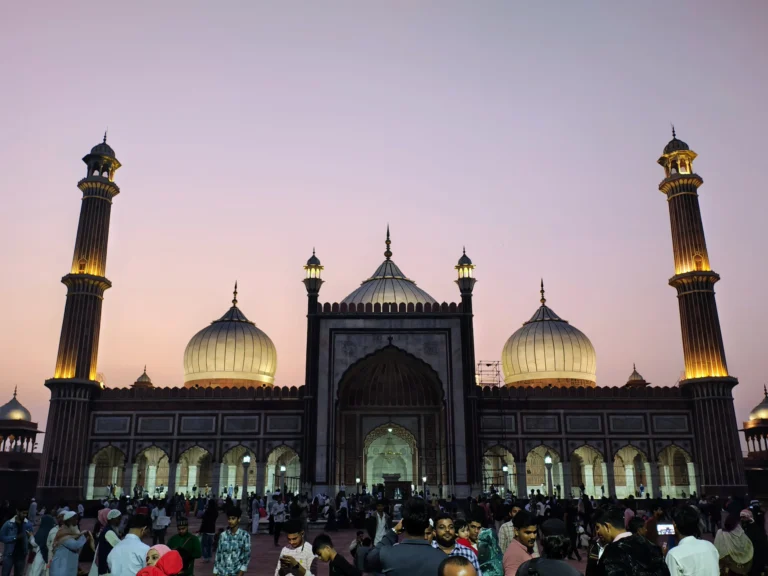
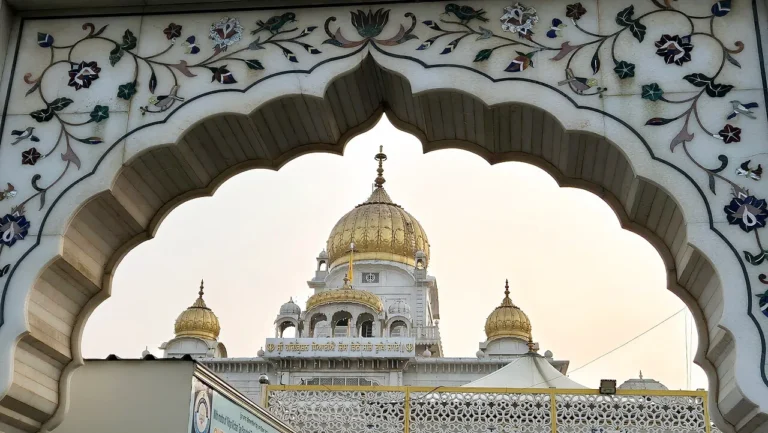
When visiting temples, mosques and gurudwaras, both men and women should dress modestly, covering shoulders and knees. At gurudwaras, such as Bangla Sahib in Delhi, everyone covers their head, and scarves are usually available at the entrance. At mosques, such as Jama Masjid, women are often asked to cover their heads and may be given a robe to wear. Shoes are removed before entering, so socks can be useful on hot or cold stone floors. A large scarf solves most of these situations.
Luggage and bags
Choose luggage that’s easy to manage. A medium-sized suitcase with wheels works well if you’ll mostly travel by car and stay in hotels. A backpack can be more practical if you’re travelling by train, staying in older parts of cities, or moving between places often, as pavements are often uneven and many old buildings have stairs and no lifts. A small daypack for sightseeing is essential, ideally one that closes securely and can be worn on the front in crowded places. A lightweight foldable bag is useful for day trips.
Health and medical kit
Bring any regular medicines you take, in their original packaging, with copies of your prescriptions. It’s also useful to pack a small first-aid kit with:
- Oral rehydration salts.
- Medicine for an upset stomach, as advised by your doctor.
- Pain relief and fever medicine.
- Antihistamines.
- Plasters and antiseptic cream.
- Insect repellent.
- Sunscreen.
- Any travel medicines your doctor recommends.
Speak to your doctor or a travel clinic well before your trip about vaccinations and any other health precautions. Pharmacies are widely available in Indian cities, but brands differ, so it’s easier to bring familiar medicines with you. My street food guide has advice on eating safely.
Toiletries
Most everyday toiletries are easy to buy in Indian cities. However, if you use particular brands of sunscreen, contact lens solution, feminine hygiene products or skincare, bring enough for your trip, as choice can be limited outside the big cities. Toilet paper isn’t always provided in public toilets, so carry tissues or a small roll.
Electronics and documents
Plug adapter. India mainly uses Type C, D and M sockets. A universal adapter is the simplest solution.
Power bank. Useful for long days of sightseeing and for power cuts.
Phone and data. An Indian eSIM or local SIM card lets you use maps and taxi apps. See arriving at Delhi airport for advice.
Documents. Your passport, visa approval, travel insurance details, flight tickets and hotel bookings. Keep paper copies separate from the originals, and digital copies on your phone and in your email. My guide to India e-visa mistakes explains the visa process.
Money and payments
Bring a debit or credit card that works internationally, and let your bank know you’re travelling. ATMs are widely available in Indian cities, and withdrawing rupees from an ATM usually gives a better rate than exchange counters. Carry some small notes for rickshaws, tips, snacks and small purchases, as many vendors can’t change large notes. A money belt or a bag that closes securely is useful in crowded places. Card payments are widely accepted in hotels, restaurants and larger shops, and many smaller businesses accept mobile payments, though these often require an Indian bank account.
Small things that make a big difference
A few small items often prove surprisingly useful. A travel pillow and eye mask help on long flights, trains and car journeys. Earplugs are handy in noisy cities and hotels. A small sewing kit, safety pins and a few zip-lock bags can solve all kinds of minor problems. And a notebook and pen are useful for writing down addresses, prices and travel details.
What to leave at home
Very short or revealing clothing. It makes visiting religious sites and traditional areas difficult and attracts unwanted attention.
Expensive jewellery and valuables. Leave anything you’d be upset to lose at home.
Too many shoes. Two or three pairs is plenty.
Heavy jeans in summer. They’re hot and slow to dry.
Too much luggage. You’ll be carrying it in and out of cars, trains and hotels. Packing light makes travel much easier.
Packing for children and older travellers
If you’re travelling with children, pack familiar snacks, any baby supplies they rely on, sun hats, children’s medicines and something to keep them busy on journeys. For older travellers, pack comfortable walking shoes with good grip, any mobility aids they use, and their medicines in their hand luggage. I’ve written more in India with kids and travelling India with elderly parents.
Want help planning your trip?
If you’d like help planning your trip as well as your packing, my India trip planning calls cover everything from routes to practical details. And if you’d like a local guide with you during your visit, I work as a private tour guide across India. For a step-by-step planning guide, see how to plan a trip to India.
Packing for India: questions people ask me
What should I pack for India?
Loose, lightweight clothes that cover your shoulders and knees, a large scarf, slip-on shoes, layers for the season, a small medical kit, sunscreen, insect repellent and a plug adapter.
What should women wear in India?
Loose trousers or long skirts, tops that cover the shoulders, and a large scarf. This is comfortable, respectful and reduces unwanted attention.
Do I need warm clothes for India?
Yes, if you’re visiting north India between December and February. Mornings and nights can be very cold.
What plugs are used in India?
Mainly Type C, D and M. A universal adapter is the easiest option.
What should I not bring to India?
Very revealing clothing, expensive jewellery, heavy jeans in summer, and more luggage than you can comfortably carry.
Should I bring a mask to India?
If you’re visiting Delhi or north India in November or winter, good-quality masks can be useful because of poor air quality.
Questions about your trip? Message me on WhatsApp and I’ll be happy to help.
About the author
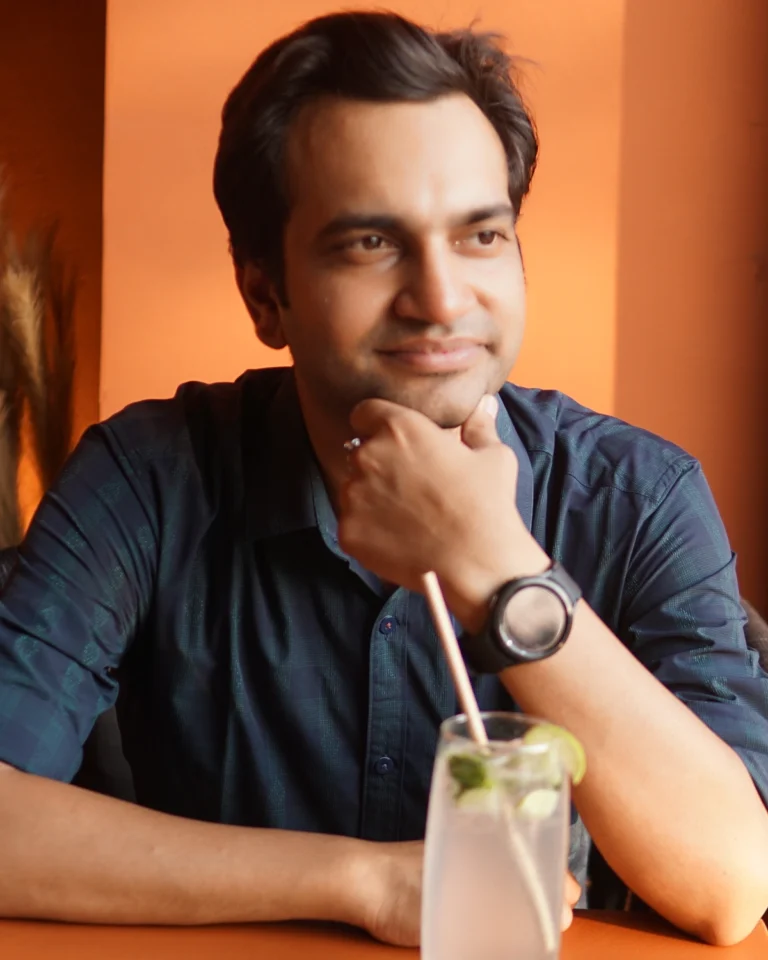
Ashish
Ashish is a Delhi-based tour guide, certified by India’s Ministry of Tourism under the Incredible India Tourist Guide (IITG) programme. He lives in Delhi, guides visitors from abroad in person, and writes practical, honest advice to help first-time travellers plan their trip to India.