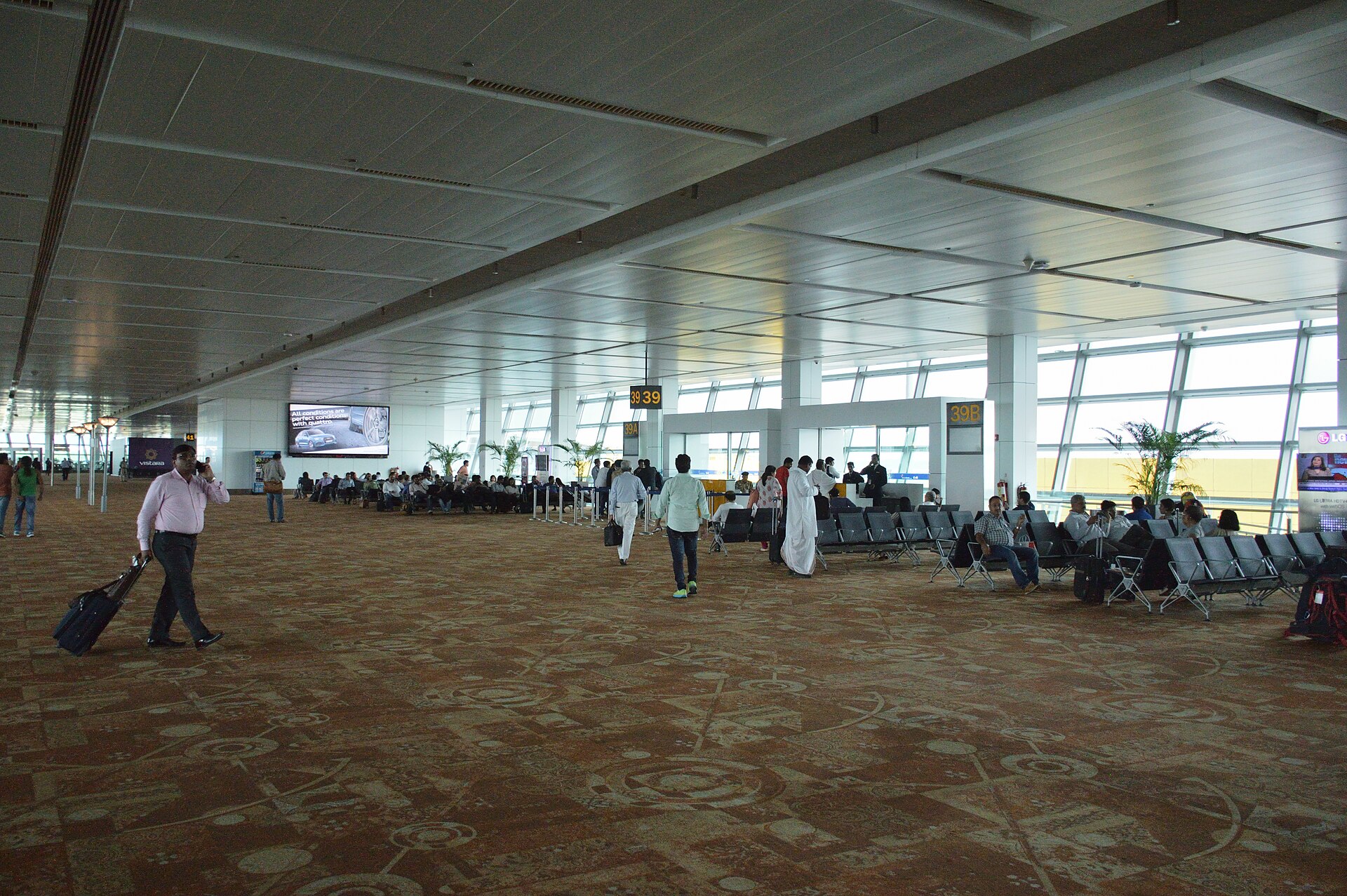
Arriving at Delhi Airport: What to Do in Your First Hour, From a Local Guide
Arriving in India for the first time can feel overwhelming, but a little preparation makes your first hour at Delhi airport smooth and stress-free. Before you fly, complete India’s online e-Arrival card. When you land, clear immigration, withdraw some rupees from an ATM in the arrivals hall, and travel into the city by the Airport Express metro, an app-based taxi, the official prepaid taxi counter, or a pickup arranged by your hotel. Politely ignore anyone who approaches you offering taxis or help.
I’m Ashish, a licensed tour guide based in Delhi, and I often meet travellers on their first morning in India. When a trip gets off to a difficult start, it’s usually because of something that happened in the first hour after landing. This guide walks you through the arrival process step by step, so you know exactly what to expect.
About Indira Gandhi International Airport
Delhi’s airport, officially Indira Gandhi International Airport, is India’s busiest and one of the busiest in the world. It’s modern, well organised and has good facilities, including restaurants, ATMs, currency exchange counters, mobile phone counters and free Wi-Fi.
Most international flights arrive at Terminal 3, a large modern terminal. Domestic flights use Terminal 1 and Terminal 3, depending on the airline. If you have a connecting domestic flight, check carefully which terminal it departs from, as transferring between terminals can take time.
The airport is about 15 kilometres south-west of central Delhi. Depending on traffic, the journey into the city takes anywhere from 30 minutes to over an hour. Late at night and very early in the morning, the roads are much quieter, and the drive to most central hotels is usually quick.
Before you fly: the e-Arrival card
India has introduced an online e-Arrival card for foreign visitors, including OCI cardholders. It replaces the paper arrival card that used to be handed out on flights. You complete it online within the 72 hours before you arrive, through the official Bureau of Immigration website, the Indian visa website or the official app. It’s free and takes about ten minutes.
The e-Arrival card is separate from your visa. You still need a valid e-visa or regular visa to enter India. If you haven’t sorted your visa yet, my guide to India e-visa mistakes covers the most common problems and how to avoid them.
I’d recommend completing the e-Arrival card at home or at your departure airport, while you have time and a reliable internet connection. It’s much less pleasant to fill it in after a long-haul flight in the middle of the night. Keep a screenshot or printout of the confirmation, in case you’re asked for it.
Other things to prepare before you travel
Print or save your documents. Have your passport, visa approval, return or onward ticket, and your hotel’s name and address easily accessible, both on your phone and on paper.
Arrange your first night. Book your hotel for the first night, and if you’re arriving late at night, consider asking the hotel to arrange an airport pickup.
Set up mobile data. If your phone supports eSIM, buying an Indian eSIM before you travel means your maps and taxi apps will work the moment you land.
Download apps. Uber, Ola, Google Maps and the Delhi Metro app are all useful.
Carry a pen. It’s occasionally useful for forms, especially if the online systems are unavailable.
Step 1: Landing and immigration
After leaving the aircraft, follow the signs for immigration. There are separate counters for Indian passport holders, foreign passport holders and e-visa holders. If you’re travelling on an e-visa, look for the dedicated e-visa counters.
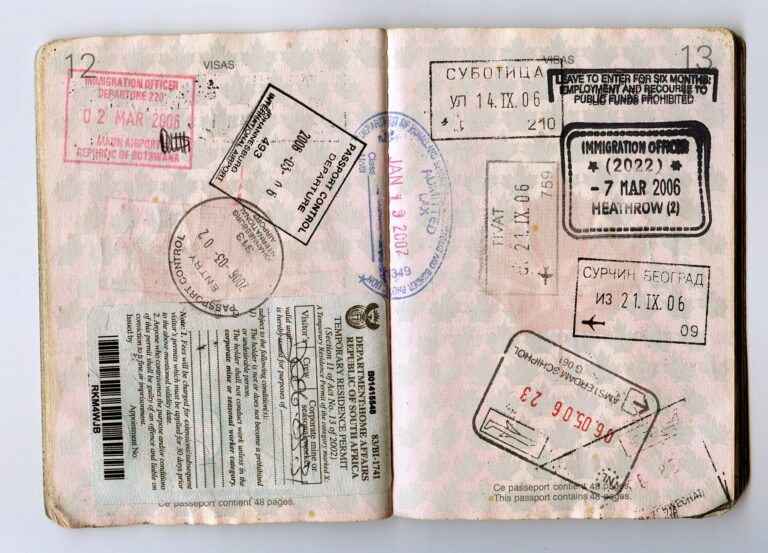
At the counter, you’ll present your passport and visa details. The immigration officer will take your photograph and fingerprints, and may ask a few simple questions about the purpose of your visit, where you’re staying and how long you’ll be in India. Answer clearly and simply. It helps to have your hotel address ready to show, either printed or on your phone, as you may be asked for it.
Queue times vary considerably. If several long-haul flights arrive at the same time, which often happens late at night and in the early morning, you may wait for an hour or more. At quieter times, it can take just a few minutes.
Step 2: Baggage and customs
After immigration, collect your luggage from the baggage hall. Screens show which belt your flight is assigned to. Free trolleys are available, and porters can be hired at official counters if you need help with heavy bags.
Then pass through customs. Most travellers walk through the green channel, which is for those with nothing to declare. If you’re carrying goods above the duty-free allowance, or large amounts of currency, use the red channel and declare them. Customs rules can change, so check the current allowances before you travel if you’re bringing anything unusual.
Step 3: Money
Once you’re through customs, you’ll find ATMs and currency exchange counters in the arrivals hall. I’d recommend withdrawing rupees from an ATM, as the exchange rates at airport counters are usually less favourable. Take out enough for your first day or two, and try to get some smaller notes if you can, as many small shops, rickshaw drivers and street vendors can’t change large notes.
Card payments are widely accepted in hotels, restaurants and larger shops in Delhi, and many places accept mobile payments, but you’ll still need some cash for smaller purchases and tips.
Step 4: A SIM card
If you didn’t set up an eSIM before you travelled, you can buy a local SIM card from the mobile operator counters in the arrivals area. The main providers are Airtel, Jio and Vi. You’ll need your passport and visa, and sometimes a passport-sized photograph. Activation can take anywhere from a few minutes to several hours, so don’t rely on it working immediately. Free airport Wi-Fi can help in the meantime; you usually receive a one-time password by text message to log in, so it’s easiest if your home SIM can receive messages while roaming.
Step 5: Getting into the city
There are several reliable ways to travel from Delhi airport into the city. The best choice depends on your luggage, your destination, the time of day and how comfortable you feel.
Airport Express metro
The Airport Express Line, part of the Delhi Metro network, is the fastest and cheapest way into central Delhi. The station is connected to Terminal 3, and trains reach New Delhi railway station in around 20 minutes, with stops along the way where you can change to other metro lines. The trains are clean, air-conditioned and have space for luggage.
It’s ideal if you’re travelling light and staying near Connaught Place, Paharganj or another area close to a metro station. Trains run from early morning until late evening, typically until around 11:30 p.m., but check the current timetable if you’re arriving late.
App-based taxis
Uber and Ola operate at Delhi airport and are usually the best value for door-to-door travel. Pickup points are clearly signposted outside the arrivals area. You’ll see the fare before you book, and the journey is tracked, which adds a layer of security. You’ll need working mobile data to book.
Official prepaid taxis
If your phone isn’t working yet, or you’re arriving late at night, the official prepaid taxi counters inside the arrivals hall are a good option. You pay at the counter before leaving the terminal, receive a receipt with your destination and fare, and hand it to the driver at the taxi rank. Confirm whether the fare includes tolls and parking. Only use the official counters inside the terminal, not people offering taxis outside.
Hotel pickup
Many hotels offer airport pickups, usually at a higher price than a taxi, but with the convenience of a driver waiting for you with your name on a sign. For a first visit to India, especially if you’re arriving late at night or travelling with family, this is often the most comfortable choice. Confirm the driver’s name and the meeting point in advance, and share your flight number so the driver can track any delays. Drivers usually wait just outside the arrivals exit, holding signs.
Choosing the right option for you
If you’re travelling light, on a budget and arriving during the day, the Airport Express metro is fast and inexpensive.
If you have luggage, children or older travellers, an app-based taxi or hotel pickup is far more comfortable, as it takes you door to door.
If you’re arriving late at night or your phone isn’t working, a hotel pickup or the official prepaid taxi counter is the simplest and most reassuring choice.
If you’re connecting to a domestic flight, stay airside where possible and follow the transfer signs, or allow plenty of time if you need to move between terminals.
Facilities at the airport
Terminal 3 has everything you might need on arrival. There are restaurants and cafés open around the clock, pharmacies, clean toilets, baby-care rooms and free Wi-Fi. Luggage trolleys are free. If you have a long wait before a connection or for an early check-in at your hotel, there are paid lounges and an airport transit hotel. Wheelchairs and assistance for travellers with reduced mobility can be arranged through your airline, ideally when you book your flight.
What to avoid
Unofficial taxis and touts. People may approach you inside or outside the terminal offering taxis or hotels. Politely decline and use the counter, an app or your hotel’s driver.
Changing your hotel plans on someone else’s advice. If anyone tells you your hotel has closed, is overbooked, has burned down or is in an unsafe area, don’t believe them. Call the hotel directly. This is one of the oldest tricks in Delhi. I’ve described it, along with other common scams, in Delhi tourist scams.
Accepting unsolicited help with your bags. Unless you’ve arranged a porter, keep hold of your own luggage.
Handing your phone to strangers. Don’t let anyone take your phone to “help” you book a taxi or call your hotel.
Planning a big first day. After a long-haul flight, especially one arriving at night, rest before you start sightseeing.
Arriving late at night
Many international flights land in Delhi between midnight and early morning. Arriving at night is safe if you plan ahead. The airport is busy around the clock, with staff, security and facilities open. A pre-arranged hotel pickup or an official prepaid taxi is the most comfortable way to reach your hotel at this time. Make sure your hotel knows you’re arriving late, so your room is ready and someone is at the front desk.
Arriving in winter or in November
From mid-December to mid-January, dense fog in north India often causes flight delays and diversions, especially in the early morning. If you have a connecting flight or train on the day of arrival, leave plenty of time between them. In November and parts of the winter, Delhi’s air quality can be poor; a mask for the journey into the city can be helpful if you’re sensitive to pollution. I’ve covered this in more detail in visiting Delhi in November.
Connecting onward from Delhi
Many travellers arrive in Delhi and continue elsewhere soon afterwards. If you’re taking a domestic flight, check which terminal it departs from and allow enough time for immigration, baggage collection and any terminal transfer. If you’re heading to Agra or Jaipur by train, remember that Delhi has several major railway stations, a long way apart, and that the journey from the airport can take an hour or more in traffic. I’d recommend not booking an onward train on the same day as a long-haul arrival if you can avoid it, especially in winter, when fog can delay flights. I’ve compared the options in Delhi to Agra by train or car and Delhi to Jaipur by train or car.
Departing from Delhi airport
When you leave, allow plenty of time. For international flights, aim to arrive at the airport around three hours before departure. Only passengers with a ticket are allowed into the terminal building, so say goodbye to anyone seeing you off at the entrance. Security checks can be thorough, and queues at immigration and security can be long, especially at night when many international flights depart. Delhi traffic is unpredictable, so leave your hotel with time to spare, particularly at rush hour and in the foggy season.
Your first day in Delhi
Your first day is best kept gentle. Sleep, eat something simple, drink bottled water, and perhaps take a short walk or visit somewhere calm, such as Lodhi Garden or Humayun’s Tomb. Delhi can be intense at first, with noise, traffic and crowds, and giving yourself time to adjust makes the rest of your trip much more enjoyable.
For advice on what to wear, see what to wear in Delhi, and for an honest overview of safety, see is India safe for tourists.
Want a local beside you from the start?
If you’d like a guide to meet you in Delhi and help you find your feet, I work as a private tour guide across India. If you’re still planning your trip, my India trip planning calls can help, and my guide on how to plan a trip to India covers the bigger picture.
Arriving at Delhi airport: questions people ask me
Do I need to fill in an arrival card for India?
Yes. Foreign visitors and OCI cardholders complete the online e-Arrival card within 72 hours before arrival. It’s free and separate from the visa.
What is the best way to get from Delhi airport to the city?
The Airport Express metro if you’re travelling light, an app-based taxi if your phone is working, the official prepaid taxi counter, or a hotel pickup.
How long does immigration take at Delhi airport?
Anywhere from a few minutes to over an hour, depending on how many flights arrive at the same time.
Can I buy a SIM card at Delhi airport?
Yes, from the mobile operator counters in the arrivals area. Bring your passport. Activation can take a few hours.
Is it safe to take a taxi from Delhi airport at night?
Yes, if you use the official prepaid taxi counter, an app-based taxi or a hotel pickup. Avoid anyone who approaches you offering a ride.
Should I change money at Delhi airport?
It’s usually better to withdraw rupees from an ATM in the arrivals hall, as exchange counter rates are less favourable.
If you’re arriving in Delhi soon and would like a local to help with the days ahead, message me on WhatsApp.

About the author
Ashish
Ashish is a Delhi-based tour guide, certified by India’s Ministry of Tourism under the Incredible India Tourist Guide (IITG) programme. He lives in Delhi, guides visitors from abroad in person, and writes practical, honest advice to help first-time travellers plan their trip to India.


3 Comments