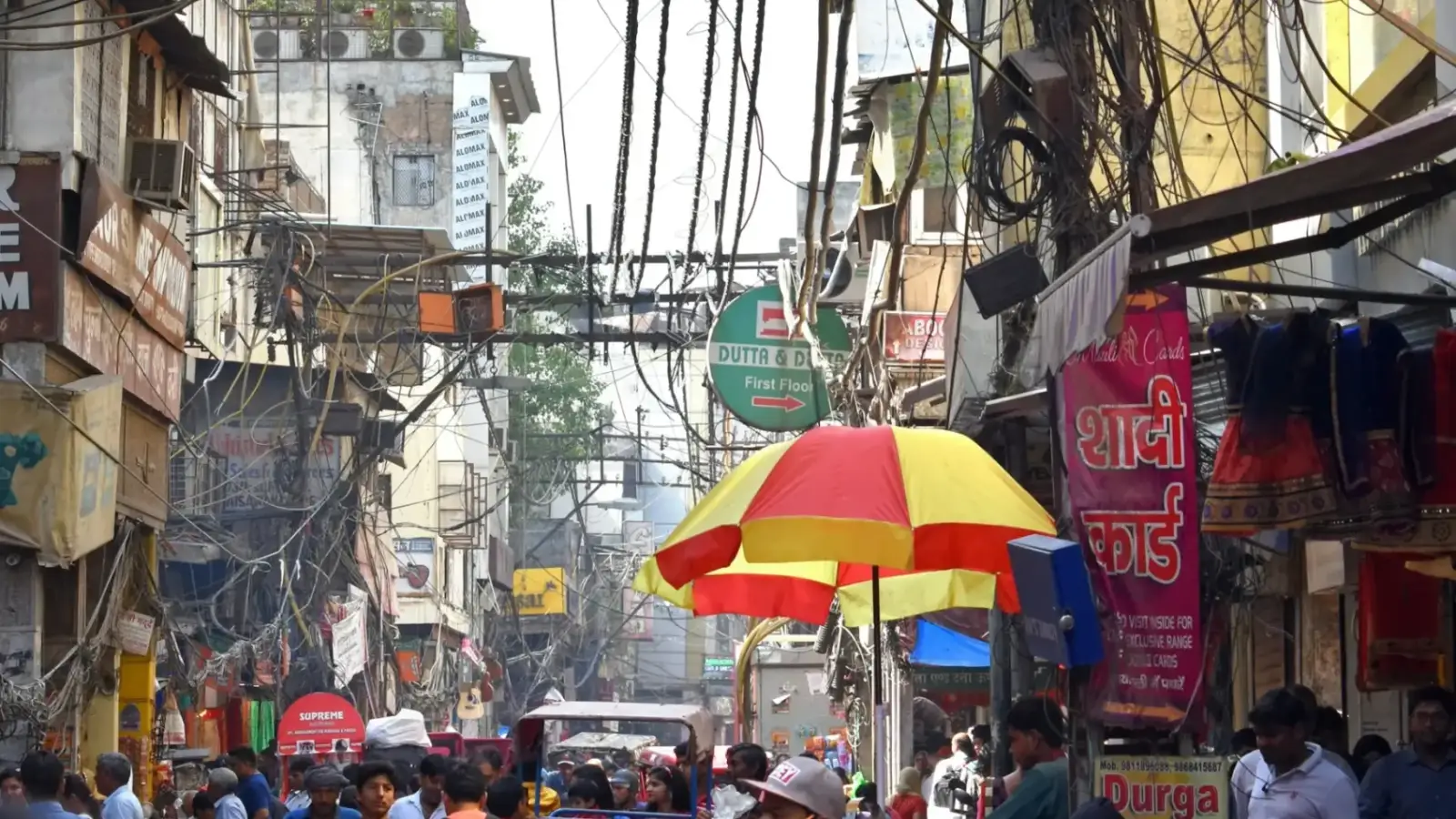
Delhi Tourist Scams: The Ones I Still Rescue Guests From, and How You Skip Them
Nearly every one of the Delhi tourist scams I hear about is the same little play in three acts. Act one, a nice man helps you without being asked. Act two, he has bad news: your hotel’s shut, the ticket office has moved, the fort is closed today. Act three, off you go with him to an office where somebody slips him a few hundred rupees for bringing you in. See it once and you’ll hear act two coming from halfway down the platform.
I’m Ashish, a Ministry of Tourism-certified guide who lives in Delhi. Every season I meet travellers who’ve already handed tens of thousands of rupees to somebody for a “package” they never wanted, or who lost their first morning inside a “tourist office” that wasn’t one. So here’s what I’d tell a friend landing tomorrow.
Before anyone panics: I don’t think my city cheats people any more than Rome does, or Bangkok. It’s just that here the hustle is done in person, on a crowded pavement, usually to someone who hasn’t slept since Frankfurt and was raised to be polite. Be a bit ruder than usual for your first forty-eight hours. Honestly, that’s most of it.
The fake “government tourist office”
This is the big one, and the most expensive.
Where does it begin? The steps of New Delhi railway station, often. Or the airport exit, or the back of an auto whose driver nodded a bit too fast when you said Paharganj. Ten minutes later you’re stepping into a narrow office whose signboard reads “Govt. Tourist Information”, “India Tourism Delhi” or some cousin of those words. There’s a desk, maps on the wall, a man in a collared shirt and a laptop. He’s very helpful. He’ll explain that there’s a festival, or a strike, or a problem in Agra, and that the safest thing is to let him book your whole trip. The package will cost several times what it should.
The real India Tourism office in Delhi is at 88 Janpath. Nothing near the station and nothing in the lanes of Paharganj or Connaught Place that calls itself the official tourist office is the official tourist office. If somebody is walking you to one, you’re already inside the scam. Thank them and leave.
“Your hotel is closed”
This one is often the same people, earlier in the chain.
An auto driver or a man at the station tells you your hotel has shut, burned down, been flooded, or is full because of a wedding. Sometimes they’ll even “phone” the hotel for you, and someone on the other end will confirm it. Then they know a better place, which pays them a commission that ends up on your room bill.
Phone the hotel yourself, from your own phone, using the number on your booking confirmation. If your hotel really had shut, the hotel or your booking site would have told you long before a stranger in an auto did. Better still, let the hotel send its own car to the airport, or put the exact address into Uber, and then nobody but you gets a vote on where the car stops.
Railway station touts
New Delhi station is genuinely confusing, and the touts know it. Men will stop you on the steps, some of them in something that looks like a uniform, and tell you that your e-ticket isn’t valid, that you need to “confirm” it upstairs, or that the foreign tourist booking office has moved. They then walk you out of the station to a private agent across the road.
Your e-ticket, with the PNR on your phone, is your ticket. You don’t need to have it stamped or confirmed by anyone. If you do need to buy a ticket, the Indian Railways website works, and the foreigners’ booking office is inside the station, upstairs, not across the road. Anyone who meets you on the steps is not from the railway.
Fake guides at monuments
At the Qutub Minar, Humayun’s Tomb and around Jama Masjid, a man will fall into step beside you and start explaining. He’s charming, often genuinely knowledgeable, and he hasn’t mentioned money. At the end you’ll hear a number, and it’ll be larger than you expected, because he waited until you’d already had the tour.
To be fair to them, a few know Mughal history better than the plaques do. But they’re working for themselves, not for you. Want one? Settle the price first, out loud, and ask for the certificate with his name and photograph on it; a certified guide carries it and shows it without a sulk. Don’t want one? “No, thank you,” and keep your feet moving. You don’t have to explain, and after the second “no” they will drift off.
Taxi, auto and rickshaw tricks
These are mostly small, but they add up and they spoil a morning.
An auto with a meter that “isn’t working” and a fare three times what a local pays. A cab from the airport that seems to know every flyover in the city. My favourite, the rickshaw puller who shakes on ₹100 and then, at the end, remembers he meant ₹100 each. Or per kilometre. Or both.
The fix for the cabs is boring and it works: Uber or Ola, where the fare is printed before you sit down and the driver’s photo is on your phone. At the airport, the app again, or the prepaid taxi counter inside the terminal. The men who walk up to you in arrivals with “taxi, madam?” are not the counter. For autos and rickshaws, agree the full price for the whole trip and for all of you, out loud, before you get in.
Small change and “fake note” swaps
You hand over a ₹500 note. The seller looks at it, frowns, swaps it out of sight and hands you back a torn or fake one, saying yours is no good. Or you’re simply given change as if you’d paid with a ₹200.
Carry plenty of ₹100 and ₹50 notes so you rarely need change from a big one, keep your eye on the note while it’s in someone’s hand, and say the amount out loud as you give it: “five hundred”. UPI and card payments are now accepted almost everywhere in Delhi, even at quite small stalls, and they make this whole category disappear.
Photos, shoes and “free” things
Someone offers to take your photo, then charges for it. A man drops something on your shoe and his friend appears with polish and a price. A woman presses a flower into your hand outside a temple and asks for a “donation”.
None of it is dangerous. All of it is a small transaction you didn’t agree to. Keep your hands to yourself, decline anything placed into them, and don’t feel rude about it.
A few habits that stop almost all of it
Short list, because by now you’ve seen how it goes.
Pick the destination before your bag is in anybody’s boot, and tell the driver a street or a landmark, never “some good hotel”. Treat any news about your hotel, your train or a monument that arrives from a stranger as fiction until your own phone confirms it. Prices get agreed at the start of things. Not the end. Not “whatever you like, sir”. Use apps for transport whenever you can. Keep small notes. And for the first day, when you’re tired and everything is loud, it’s fine to have a firm, slightly cold “no, thank you” ready and to use it often.
If something does go wrong, the India Tourism office at 88 Janpath helps foreign visitors who’ve been cheated, and the tourist police and the Delhi Police emergency number 112 are there for anything more serious.
Where a good guide fits in
You can absolutely do Delhi on your own and never be scammed. Thousands of people do every week.
What a certified guide changes is the first day. Nobody approaches you with news about your hotel when you’re walking with someone local. Monument touts don’t bother. Rickshaw prices get fixed in Hindi before anyone moves. That’s why people tend to book me for their first day in the city and then happily go off on their own after it.
If you’re weighing that up, I’ve written about what hiring a tour guide in Delhi involves and costs, including how to tell a certified guide from a self-appointed one.
Delhi tourist scams: what people ask me
What’s the most common scam in Delhi?
The pretend government tourist office, every time. You usually get steered there by a tout on the station steps or a too-helpful auto driver, and the real India Tourism office, at 88 Janpath, is nowhere near it.
So is Delhi safe for tourists?
I’d say yes, and I’d say it to my own sister. The things that go wrong for visitors here are almost always about being overcharged, not about being hurt, and overcharging is the easy part to dodge.
What about the men at the station who say my ticket needs confirming?
Walk past them. The PNR on your phone already is your ticket, and if you genuinely need the foreigners’ booking office, it’s upstairs inside the station, not across the street.
And the friendly “guide” who starts talking at the Qutub Minar?
He might know his stuff. He’ll also tell you his fee after the talking, when you feel you owe him. Price first and certificate shown, or a polite no.
I landed at night. How do I get a cab without being taken for a ride?
Order it on Uber or Ola, or get your hotel to send one, or queue at the prepaid counter inside the terminal. Anyone who comes looking for you in the arrivals hall, you can ignore.
I think I’ve already been scammed. Now what?
Go to the India Tourism office at 88 Janpath; helping cheated foreign visitors is part of their job. If it’s serious, 112 reaches the Delhi Police.
If you’d like a local beside you for your first day in the city, message me on WhatsApp with your dates.
